 By Caleb Morgan
Updated November 2026
Travel essentials for Southeast Asia come down to a short list of items that handle heat, humidity, sudden rain, long bus rides and uneven medical access. This guide walks you through each category in the order you should think about it, gives you a checklist to adapt to your trip length, and flags the mistakes that catch first-timers off guard. Use it to build a bag that works in Thailand, Vietnam, Indonesia or the Philippines without overpacking.
Start With Your Route and Trip Length
Before you pack anything, map out where you are going and how you will move between places. A two-week loop through one country needs a different bag than a four-month overland route that crosses several borders. Shorter trips reward a carry-on-only approach, while longer trips make laundry access and a slightly larger pack more practical.
Shopping for one? See our guide: Travel Essentials for Asia: 3 Best Picks for Every Trip (2026).
Make three quick decisions first: For a deeper look, Carry On Luggage Travel Accessories: 7 Essentials for Airline Limits covers this in detail.
- Are you staying mostly in cities, beach towns, or rural and mountain areas? Rural stops often mean limited pharmacies and fewer electrical outlets.
- Which season are you traveling in? Many parts of the region have a rainy season with heavy afternoon downpours, while others are hot and dry.
- How many flights, overnight buses and ferries are on the itinerary? Transport is the main reason people end up with heavy, awkward bags.
Once you know the route, you can narrow the list below. If you are packing for a shorter trip with a single carry-on, the guide to carry-on essentials for a Southeast Asia trip covers the tightest version of this list. Solo travelers may also want to read Solo Travel Essentials: What to Bring When Traveling Alone for extra items that make independent travel easier.
Documents, Money and Electronics
Paperwork problems cause more trouble than almost any other issue in the region. Check passport validity requirements before you leave, since some countries require six months of validity beyond your entry date, and confirm whether you need a visa or pre-arrival registration for each country on your route. Requirements change, so verify them with the official government sources for each destination.
- Passport with enough blank pages for entry and exit stamps
- Photocopies or phone photos of your passport, visa pages and insurance policy, stored somewhere outside your bag
- Two payment cards from different banks, kept in separate places
- Some local currency in small denominations for markets, tuk-tuks and tips, plus a card that does not charge foreign transaction fees
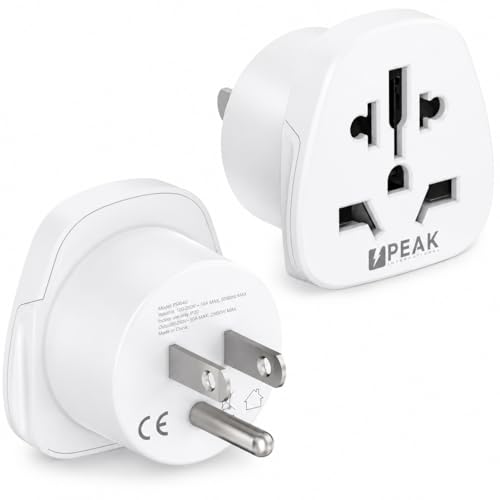
- A universal travel adapter that handles the plug types used in the countries you are visiting
- A power bank rated for air travel. Airlines commonly restrict lithium batteries above certain watt-hour ratings, so check your airline’s policy before you fly.
- A dual-voltage device charger or a note on whether your gear is already compatible with 220 volt supply
Keep a small pouch with documents, a card, and a few notes so you can sort problems quickly. Many travelers find that a slim cross-body bag or a neck wallet is more secure than a back pocket in busy markets.
Clothing and Sun Protection for Heat and Humidity
Pack for sweat, not for style. Lightweight, quick-drying fabrics dry overnight in most guesthouses, while cotton can stay damp for days in humid weather. Plan for two or three days of clothing and wash the rest, since laundry services are inexpensive and widely available in tourist areas.
Clothing Basics
- Three to four short-sleeved tops in breathable fabric
- Two pairs of lightweight pants or a long skirt for temples and conservative areas
- Shorts or a skirt for everyday heat
- One light long-sleeved layer for air-conditioned buses and flights
- A light rain jacket that packs small, or a compact travel poncho
- Swimwear and a quick-dry towel if you plan to visit beaches or pools
- Comfortable closed-toe shoes, plus sandals with a secure strap
Sun and Bug Protection
The sun in the region is strong, and mosquitoes are active in both cities and rural areas. Pack these items in a small bag where you can reach them quickly:
- Sunscreen with at least SPF 30, in a leak-proof bottle under 100 ml if you are flying with liquids in your carry-on
- A wide-brim hat or cap
- Sunglasses with UV protection
- Insect repellent with a registered active ingredient such as DEET or picaridin, following the label instructions for concentration and reapplication
For temples, markets and rural homestays, lightweight clothing that covers the shoulders and knees is usually the most comfortable and respectful choice.
Health, Hygiene and Medications
Pharmacies are common in cities, but stock can be limited in smaller towns, and brand names differ from what you know at home. A small kit you assemble before you leave covers most minor issues. Bring prescription medications in their original labeled containers, along with a copy of the prescription and a letter from your doctor if you carry controlled substances or injectables.
| Category | What to pack |
|---|---|
| Basic first aid | Plasters in several sizes, antiseptic wipes, gauze, medical tape, blister pads |
| Stomach care | Oral rehydration salts, anti-diarrheal medication, antacid, probiotic if you use one |
| Pain and fever | Paracetamol or ibuprofen in the amounts you normally use |
| Allergies and colds | Antihistamine, throat lozenges, a decongestant if you use one |
| Personal hygiene | Hand sanitizer, toilet paper or wipes, a small towel |
| Prescriptions | Enough for the whole trip plus a few extra days, original packaging, copy of prescription |
Ask a travel health clinic or your doctor about vaccinations and malaria prophylaxis for your specific route, since recommendations depend on where and when you travel. Consult a professional before you start any medication.
Packing Your Bag: A Step-by-Step Method
- Lay out clothing on a bed and cut it to the number of outfits you truly need, then remove one more item.
- Pack heavier items low and close to your back so the bag carries well on stairs and uneven ground.
- Use packing cubes or zip pouches to separate clothing, toiletries and electronics. Roll clothes if you want to save space.
- Put liquids in a clear zip bag for security checks, and keep it reachable on top.
- Keep a daypack or small bag for valuables, water, sunscreen and the documents pouch so you do not have to open your main bag in transit.
- Weigh the packed bag. Many budget airlines and regional carriers enforce strict baggage limits, so check the allowance on your booking before you leave for the airport.
Choosing Between a Backpack and a Suitcase
A backpack with a hip belt works well on cobblestones, ferry docks and multi-stop transit, while a wheeled suitcase is easier on smooth airport floors and hotel lobbies. Many travelers use a carry-on-sized backpack for regional routes and keep a daypack inside. Whichever you choose, make sure the bag is within the size limits of the airlines you will fly.
Common Mistakes
- Packing too many clothes. Laundry is cheap and quick in most of the region, so a smaller wardrobe is almost always enough.
- Skipping rain gear. Sudden downpours can flood streets within minutes. A compact layer makes a bigger difference than an umbrella that catches wind.
- Relying on one payment method. Card readers fail, and smaller shops and transport often want cash.
- Assuming every outlet and plug matches. Bring a universal adapter and check which plug types your devices use.
- Forgetting prescriptions. Brand names and strengths vary by country, so bring what you need from home.
- Wearing cotton for long days. It holds moisture and takes a long time to dry in humidity.
- Not checking entry rules early. Visa and passport validity requirements can change, so confirm them with official sources before you book flights.
Tips for a Lighter, Smarter Pack
- Pick one color palette so every top works with every bottom.
- Keep a small sewing kit and a few zip ties for quick repairs.
- Store a copy of key contacts and your insurance policy number offline.
- Check local weather for your specific dates, since rainy and dry seasons differ across the region.
- Leave room in your bag for souvenirs or a few purchases you make along the way.
Recommended gear
These items suit the Southeast Asia packing list above and are widely sold in the US.
- Eagle Creek Pack-It Specter Cube set helps separate clothes, toiletries and cables so you can repack quickly at guesthouses. View on Amazon
- Bellroy Tokyo Pouch is a slim organizer for passports, cards and small cash, which suits crowded markets and transit. View on Amazon
- Sea to Summit Ultra-Sil Dry Day Pack keeps electronics and documents dry during sudden downpours on boats and bike rides. View on Amazon
- Anker PowerCore 10000 power bank provides backup charging for long bus and ferry days without relying on outlets. View on Amazon
FAQ
Do I need a special adapter for Southeast Asia?
Most countries in the region use Type A, Type C, Type F or Type G plugs, and voltage varies. A universal travel adapter that supports these types, plus a check of your device’s input voltage, will cover most situations.
How much clothing should I bring for a two-week trip?
Plan for about five to seven days of clothing and plan to do laundry once or twice. Most travelers find this is enough for hot, humid conditions.
Is tap water safe to drink?
Tap water is generally not recommended for drinking in most of the region unless it has been treated. Carry a refillable bottle with a filter or use bottled, sealed water and check local guidance for your destination.
Should I bring cash or rely on cards?
Bring some local currency for small purchases and transport, and use cards at larger hotels, restaurants and shops. Confirm your bank’s international fee structure before you travel.
What kind of insurance should I have?
Travel medical insurance that includes evacuation coverage is widely recommended for the region, especially for activities like motorbiking or diving. Read the policy’s exclusions carefully and consult your insurer or a professional advisor for coverage that fits your plans.
Do I need vaccinations before going?
Recommendations depend on your route, length of stay and activities. A travel health clinic or your doctor can tell you which vaccinations and preventive medications are appropriate for you.
Can I bring liquids on a flight within Southeast Asia?
Rules depend on the airline and airport. Many follow a 100 ml limit for carry-on liquids in clear bags, but regional carriers can differ, so check your airline’s current policy before you pack.
What is the best time of year to pack for?
Packing depends on your destination and dates because the region has different rainy and dry seasons by area. Check current weather forecasts and seasonal guidance for each stop on your route.
Conclusion
A good Southeast Asia packing list covers documents, heat-ready clothing, sun and insect protection, a basic medical kit and reliable power. Build your bag around your route and trip length, weigh it before you leave, and keep the most important items within reach. Check entry requirements and any health advice with official sources close to your departure, and you will be ready for most of what the region throws at you.
Ready to choose one?
Related reading
- Carry On Essentials Southeast Asia Trip: What to Pack in Your Bag
- Women's Travel Accessories Luxury: 9 Essentials Worth Packing (2026)
- Travelon World Travel Essentials: 8 Items to Check Before You Pack
About Caleb Morgan
Caleb Morgan is part of our editorial team and reviews and edits our travel essentials & packing lists guides, checking product details against manufacturer specifications and owner feedback.