Traveling alone gives you complete freedom, but it also means you are solely responsible for your safety, belongings, and planning. Packing the right essentials can make the difference between a smooth trip and a stressful one. This guide covers what to bring when traveling solo — from critical documents and backup payment methods to security items like a portable door lock and a daypack designed for busy areas — so you can explore with confidence.
Before You Start: Travel Documents and Copies
When you travel alone, losing your passport or ID can derail the entire trip. Carry your primary documents in a secure, zippered pocket or a hidden travel wallet worn under your clothing. Make two sets of photocopies or digital scans of your passport, visa, driver’s license, and any entry permits. Keep one set in a separate bag from the originals and leave another with a trusted contact at home. For domestic flights within the United States, remember that REAL ID enforcement began May 7, 2025 — check that your state-issued ID meets REAL ID standards or bring an alternative such as a U.S. passport.
Store digital copies in a password-protected cloud account or encrypted folder on your phone. Also include a photo of your credit cards (front and back) and your travel insurance policy number. Having these accessible offline is critical if you lose your phone or have no cell service.
Packing Checklist: Solo Travel Essentials
Below is a category-based checklist that prioritizes security, self-sufficiency, and convenience for the solo traveler. Each item serves a specific purpose; consider your destination and lodging type before packing.
Documents and Payment
- Primary ID and passport — always on your person, not in checked luggage.
- Copies (physical and digital) — as described above.
- Two payment methods — a primary credit or debit card plus a backup card stored separately. A common approach is to keep the backup in a different bag or inside your shoe insert. Notify your bank of travel dates to avoid freezes.
- Emergency cash in local currency — enough for a taxi ride, a meal, and a night’s lodging. Keep it in a separate pocket from your wallet.
- Travel insurance card and policy number — many insurers provide a digital ID card you can save to your phone. Ensure the policy covers medical evacuation and trip interruption.
Security and Peace of Mind
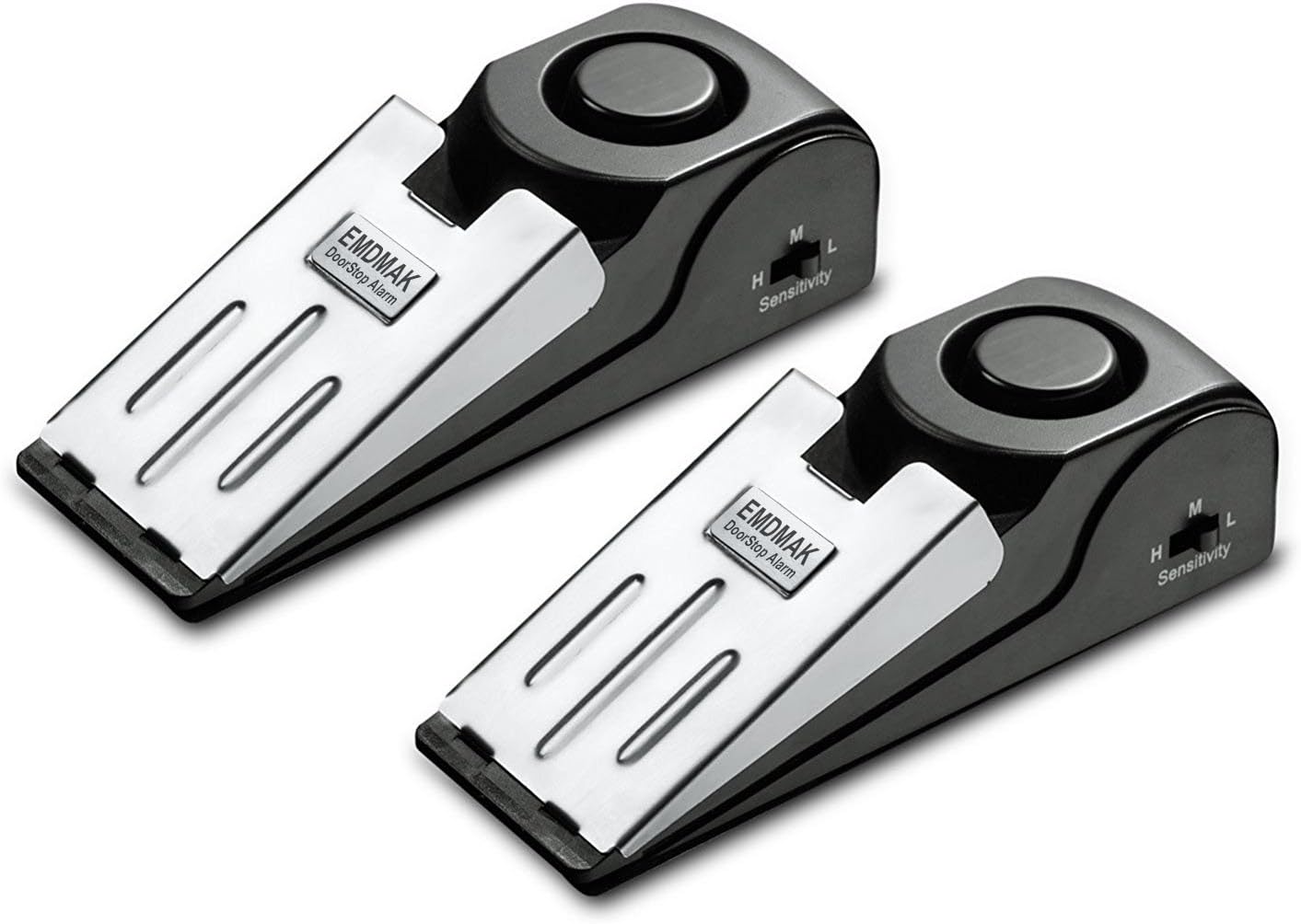
- Portable door lock or door stop alarm — these add a layer of security to hotel or hostel rooms. A door stop alarm wedges under the door and sounds loudly if the door is opened. A portable door lock slips over the existing latch without tools. Always check the lodging’s rules before using any device that modifies the door — some fire codes prohibit certain locks. a portable door lock is lightweight and fits in a daypack.
- Anti-theft daypack — choose a bag with lockable zippers, slash-resistant straps, and a pocket that sits against your back. In crowded areas, wear it on your chest (in front of you) to keep valuables visible. an anti-theft crossbody bag offers easy access and security.
- Emergency contacts card — a small card (laminated) with the name and phone number of your emergency contact, your doctor, your insurance provider, and the local equivalent of 911. Include the address and phone of your embassy or consulate if you are abroad. Carry it in your wallet and also in your daypack.
Electronics and Connectivity
- Portable charger (power bank) — a reliable power bank with enough capacity to recharge your phone at least twice. Lithium-ion power banks must be carried in your carry-on, never checked luggage, per FAA regulations. Check the battery capacity against airline rules — packs over 100 watt-hours typically require airline approval.
- Offline maps — before you leave, download offline maps of your destination using a navigation app that supports offline maps. Mark your lodging, the nearest hospital, and the airport/station. This works without cell service or Wi-Fi.
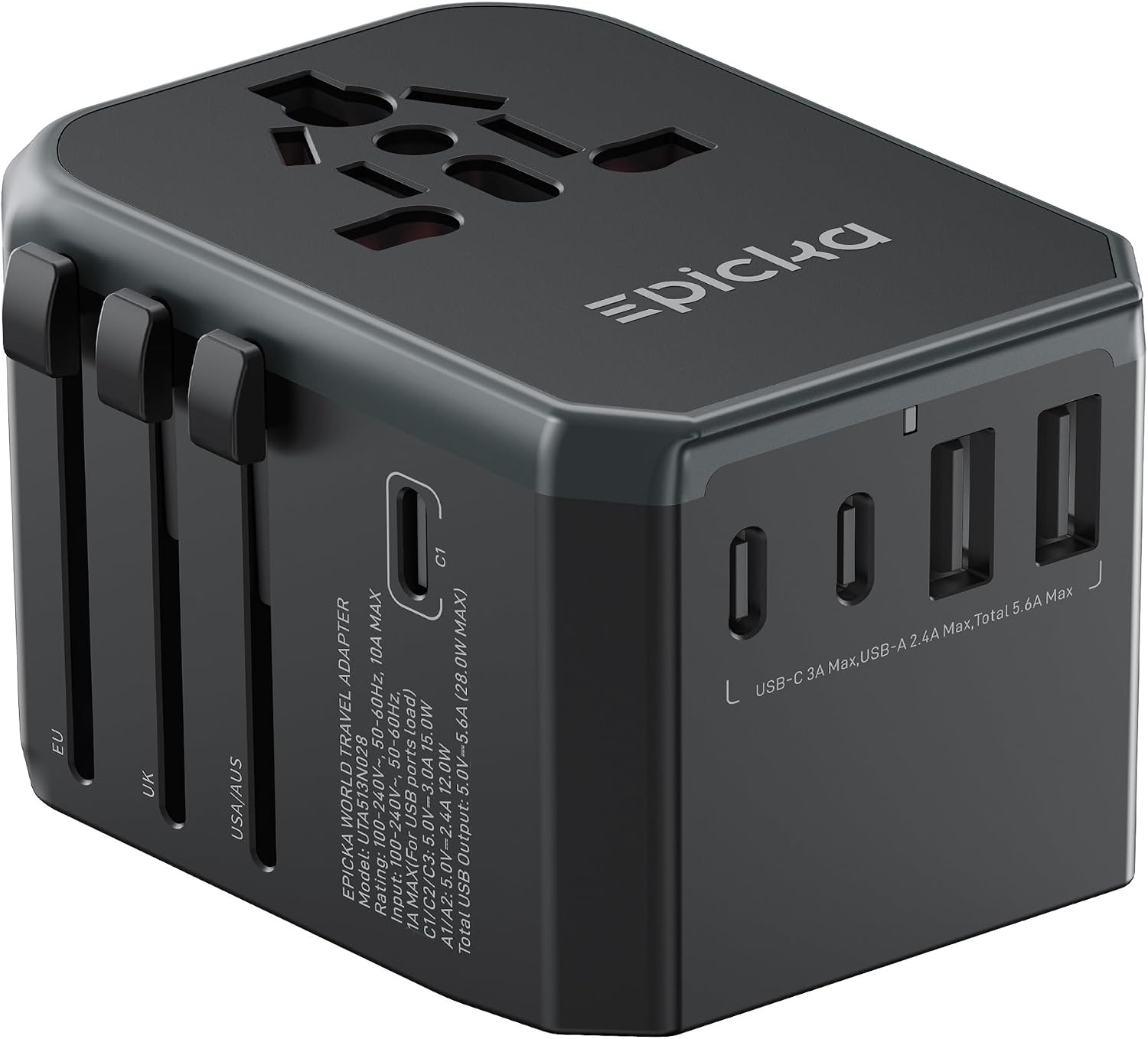
- Cable organizer and universal adapter — a small pouch keeps charging cables and adapters tangle-free. If traveling outside the U.S., bring a universal travel adapter that covers the plug types of your destination.
Health and First Aid
- Small first aid kit — include adhesive bandages, antiseptic wipes, blister pads, pain reliever (e.g., ibuprofen or acetaminophen), antihistamine for allergies, anti-diarrhea medication, and any personal prescription medicines in their original labeled bottles. Ask your doctor or pharmacist about dosage and appropriate medications for your itinerary.
- Hand sanitizer and face masks — useful for crowded transport and areas where hygiene may be limited.
- Personal safety items — a whistle, a personal alarm (keychain style), or a small LED flashlight can help attract attention in an emergency. Check local laws; some items like pepper spray are restricted in certain countries.
Luggage and Carry Strategy
- Lightweight suitcase or backpack — choose luggage that you can comfortably lift into overhead bins, up stairs, or onto train racks yourself. Check the empty weight on the spec sheet and favor lighter designs. Soft-sided duffels or travel backpacks with stowable straps are easier to maneuver than heavy rolling suitcases on cobblestones.
- Compression packing cubes — help you organize clothes and compress items to save space. They also make it quick to pack and repack without unpacking everything.
- Foldable daypack or tote — bring a small, packable bag that you can use when you reach your destination for daily excursions. It should be light enough to fold into your main luggage.
What You Can Skip
Packing less is especially important for solo travelers who have to handle all their bags. Leave behind items that add bulk without real utility:
- Multiple pairs of shoes — one comfortable walking shoe and one versatile sandal or flat are usually enough.
- Books or heavy guidebooks — use e-books, digital guides, and offline maps on your phone instead.
- Full-size toiletries — carry travel-sized bottles; you can buy more at your destination.
- Expensive jewelry or bulky gadgets — these draw attention and are hard to replace if lost or stolen.
- Excessive clothing — plan for mix-and-match outfits that layer. Many travelers find that only a week’s worth of clothes, washed as needed, is plenty.
Quick-Reference Table
| Essential | Why You Need It | Packing Tip |
|---|---|---|
| Passport/ID + copies | Primary identification; backups in case of loss | Store one copy separately from original |
| Backup payment card | Lost or frozen cards won’t leave you stranded | Keep in a different bag or hidden pocket |
| Portable charger | Phone death can cut off maps, payment, and communication | Always in carry-on; check watt-hour limits |
| Offline maps | Navigate without cell service or data | Download before departure; mark key locations |
| Door lock or door stop alarm | Extra security in unfamiliar accommodations | Verify lodging rules; non-damaging designs only |
| Small first aid kit | Treat minor injuries and ailments on your own | Include personal medications in original bottles |
| Daypack worn in front | Protects valuables in crowds and keeps hands free | Choose anti-theft design; clip zippers together |
| Emergency contacts card | Quick access for medical or consular aid | Laminate; carry with ID and in daypack |
| Travel insurance card | Covers medical, trip interruption, and evacuation | Save digital copy and print a physical one |
| Lightweight luggage | Easy to carry alone, overhead bin capable | Weigh your bag before departure; consider a travel backpack |
Additional Tips for Solo Travelers
Stay Connected and Share Your Location
Let a trusted contact know your itinerary and share your live location through a phone app or a simple check-in schedule. Text someone each evening to confirm you are safe. If you change accommodations, notify them of the new address.
Know Local Emergency Numbers
The U.S. emergency number is 911, but many countries use different numbers. Before you arrive, memorize or store in your phone the local equivalents for police, ambulance, and fire. Also note the address and phone number of the nearest U.S. embassy or consulate (if traveling abroad).
Airline and TSA Rules
Check the Transportation Security Administration (TSA) website for current carry-on and checked baggage rules. As of this writing, most travelers do not need to remove shoes at standard checkpoints. Spare lithium batteries and power banks must go in carry-on bags only. For international flights, contact your airline for any additional restrictions.
FAQ
Do I really need backup payment when traveling alone?
Yes. If your primary card is lost, stolen, declined, or frozen, a backup card stored separately can prevent you from being stranded without access to funds. Inform your bank of travel dates to reduce the chance of your card being flagged for unusual activity.
Are portable door locks allowed in hotels and hostels?
Most portable door locks and door stop alarms are non-damaging and are widely used, but some lodgings have policies against them due to fire-safety codes. Check with your accommodation before arrival, and use only locks that do not permanently alter the door or frame.
What should I include in my emergency contacts card?
Include your name, date of birth, emergency contact name and phone number, your doctor’s name and phone, travel insurance policy number, and the contact information for your country’s embassy or consulate. Write the local emergency number (police, ambulance) at the top. Laminate the card to protect it from wear.
Can I pack a power bank in checked luggage?
No. The FAA and most international aviation authorities require spare lithium batteries and power banks to be carried in carry-on baggage only. Check your airline’s policy for battery capacity limits.
Final Thoughts
Solo travel is a rewarding way to explore the world, but it demands a higher level of preparation. Prioritize documents, backup payment, a portable door lock or alarm, and a first aid kit. Keep your daypack on your chest in crowded places, download offline maps before you go, and buy travel insurance that covers medical and evacuation needs. Pack light enough to carry everything yourself. For more guidance, see our solo travel overview and review solo travel safety tips. These solo travel essentials will help you pack with confidence and enjoy the freedom of exploring alone.