 By Caleb Morgan
Updated November 2026
Europe travel essentials winter packing comes down to three things: dressing in layers that work in both cold outdoor air and heated indoor spaces, choosing footwear that handles wet pavement and cobblestones, and carrying the small items that are easy to forget, like a plug adapter and copies of your documents. This guide walks through each category in order so you can build a list that fits your itinerary, your trip length and your luggage limit.
Start with your itinerary and trip length
Winter in Europe is not one climate. Northern cities like Oslo, Stockholm and Helsinki can sit well below freezing for weeks, while Lisbon, Madrid and parts of southern Italy often stay mild enough for a light coat during the day. Before you pack, check the average daytime and nighttime temperatures for each city on your route, and plan for the coldest stop, not the average.
Shopping for one? See our guide: Essentials for Europe Travel: 4 Best Picks for Every Trip.
Trip length matters just as much. A 7-day trip with one carry-on bag calls for a different approach than a 3-week trip with a checked suitcase. Count the number of days you will spend outdoors, the number of nights you expect to be somewhere cold, and whether you will have laundry access. For longer trips, our guide to Long-Term Travel Essentials: What to Bring for Months on the Road covers how to stretch a smaller wardrobe.
Write your route on paper, then note the following for each stop:
- Expected low and high temperatures (check a reliable weather service a few days out and again before you leave)
- Whether you will be walking long distances or mostly taking transit
- Whether you plan any outdoor activities such as hiking, skiing or a winter market visit
- Any dress-code expectations, such as church visits or nicer restaurants
For a broader packing framework that applies to any region, see Travel Essentials for Europe Trip: 12 Items to Pack for Any Itinerary. It is a good companion to the winter-specific steps here.
Build a layering system that works indoors and outdoors
Layering is the most useful clothing strategy for winter in Europe because many buildings are heavily heated. Museums, trains, cafés and apartments can feel warm, while the street outside is windy and cold. A three-layer system gives you flexibility.
Base layer
Choose thermal tops and bottoms made from merino wool or synthetic fabric. Wool dries more slowly than synthetics but resists odor, which matters on a multi-day trip. Pack two sets so you can rotate them.
Middle layer
A fleece pullover, a lightweight wool sweater or a down or synthetic insulated vest works well. Aim for one or two middle layers, depending on how cold your coldest stop is expected to be.
Outer layer
Pack a waterproof, windproof shell jacket with a hood. Look for taped seams if you expect rain or sleet. For very cold destinations, add a warmer insulated coat. Bring a scarf, a warm hat that covers your ears and a pair of gloves with touchscreen-compatible fingertips for phone use.
Choose the right footwear for wet and icy ground
European cities often have old stone paving, cobblestones, metro grates and sloped sidewalks, all of which become slippery in winter. Pick one pair of waterproof boots with rubber soles and good tread. Break them in before the trip, since walking 10 to 15 kilometers a day in new shoes is a common source of blisters.
Pack a second pair of lighter shoes for indoor use, restaurants and evenings. Wet boots take a long time to dry in a hotel room, so a dry spare pair helps. If you expect ice, consider removable ice grips for your boots, which are sold as slip-on traction devices and are widely available.
Pack the cold-weather accessories people forget
Several small winter items make a big difference and take up little space:
- Thermal socks, one pair per day plus a spare
- A lip balm and a moisturizer, since dry indoor heat and cold outdoor air both dry skin
- Hand warmers for long outdoor days, such as an all-day market visit
- A neck gaiter or buff, which is lighter than a thick scarf and seals out wind
- Sunglasses, because snow glare is strong even on overcast days
For a dedicated look at small heat packs, read Essentials for Winter Travel: 4 Best Hand Warmers for Cold Trips.
Plan your tech, adapters and power
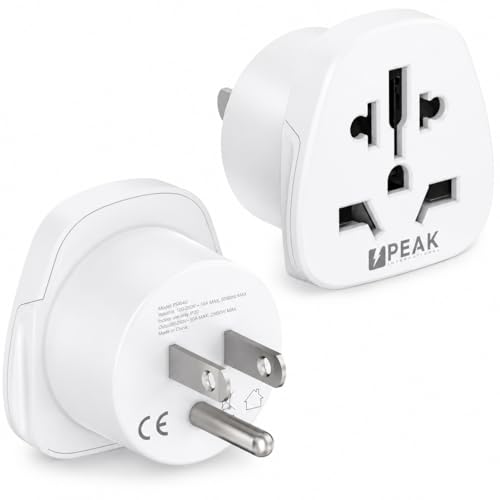
Most of Europe uses Type C and Type F plugs at 230 volts. US devices usually need only a plug adapter, not a voltage converter, but check the labels on your chargers and hair tools. Many modern phone and laptop chargers accept 100 to 240 volts, while some older hair dryers and straighteners do not.
A multi-port USB travel adapter with a built-in surge protector is useful when you need to charge several devices at once in a hotel room that has only one or two outlets. Bring a portable battery pack as well, since cold weather drains phone batteries faster than usual. Keep the battery in an inside pocket, not in an outer coat pocket, to help it stay warm.
For a more complete list of plug adapters and accessories, see Essentials for Travelling to Europe: 6 Best Travel Adapters of 2026.
Organize documents, money and safety items
Keep your passport, travel insurance details, accommodation confirmations and any required entry documentation in a waterproof pouch. Make digital copies and store them in a cloud account and an email you can access offline. Check passport validity requirements for your destinations before you travel, since some countries require several months of remaining validity.
Carry a card that does not charge foreign transaction fees and a small amount of local currency for transit and small vendors. Winter weather can cause flight delays or train cancellations, so keep copies of your itinerary and your airline or rail provider’s contact information.
Packing list by category
| Category | Items | Quantity guide (7-day trip) |
|---|---|---|
| Base layers | Thermal top and bottom | 2 sets |
| Mid layers | Fleece or wool sweater, insulated vest | 2 pieces |
| Outer layers | Waterproof shell, warm coat | 1 each |
| Accessories | Hat, gloves, scarf or neck gaiter | 1 each, plus spare gloves |
| Footwear | Waterproof boots, indoor shoes | 2 pairs |
| Socks | Thermal or wool socks | 7 to 8 pairs |
| Tech | Plug adapter, power bank, chargers | 1 each |
| Documents | Passport, insurance, copies | Waterproof pouch |
| Personal care | Lip balm, moisturizer, sunscreen | Travel sizes |
Common mistakes to avoid
- Packing only one heavy coat. A single bulky coat is hard to manage indoors. Layers are more flexible.
- Wearing new boots on the first day. Break them in at home first.
- Ignoring the shoulder season. Early winter and late winter weather can differ sharply from mid-January.
- Forgetting to check voltage on hair tools. Some older appliances can be damaged by 230 volts.
- Overpacking warm clothes. You can buy most basics on the road, and wearing layers reduces the need for extra bulk.
Tips for a smoother winter trip
- Pack a small umbrella even in snow-prone areas, since wet snow and sleet can soak you quickly.
- Carry a reusable water bottle. Indoor heat and cold air both increase dehydration.
- Store your phone inside your coat when taking photos outdoors to prevent sudden battery drain.
- Check opening days and hours for attractions in advance, since winter schedules often differ from summer. Confirm details with the official website before you go.
Recommended gear
These product types are common choices for winter travel in Europe. Check current specifications and reviews before you buy.
- Merino wool base layers help regulate temperature and resist odor on multi-day trips. View on Amazon
- Waterproof leather or rubber winter boots with a lug sole give traction on wet stone and light snow. View on Amazon
- Multi-port USB travel adapter for Europe lets you charge several devices from one plug, and many models include a surge protector. View on Amazon
- Disposable hand warmers are useful for long outdoor days, such as market visits or sightseeing. View on Amazon
FAQ
Do I need a voltage converter for Europe in winter?
Usually no, if your devices are labeled 100 to 240 volts. Phone and laptop chargers typically support this range. Heat-producing appliances like hair dryers often need a converter, so check the label first.
What is the best way to layer for cold European cities?
Use a base layer, a middle insulating layer and a waterproof outer shell. This lets you adjust warmth as you move between cold streets and heated indoor spaces.
How many pairs of shoes should I bring?
Two pairs are enough for most trips: one waterproof pair with good traction for outdoor walking and one lighter pair for indoor use.
Should I bring a power bank?
Yes. Cold weather drains batteries faster, and hotel outlets are sometimes limited. Keep the power bank in an inside pocket to help it stay warm.
Is snow likely in all of Europe in winter?
No. Northern and mountainous regions see reliable snow, while many southern cities have mild winters with occasional rain. Check the forecast for each stop on your route.
Do I need travel insurance for a winter trip?
Many travelers choose it because winter weather can cause delays and cancellations. Review what any policy covers, including cold-weather activities, and consult an insurance professional if you have questions.
What should I do if my flight or train is delayed by snow?
Check the airline or rail operator’s app or website for rebooking options, keep your receipts, and review your travel insurance terms. Confirm current policies with the provider directly.
Conclusion
Europe travel essentials winter packing works best when you plan around your itinerary, layer your clothing, choose reliable footwear and carry the small items that make cold days easier. Build your list by category, check the coldest stop on your route, and confirm any venue details with official sources before you leave. With a careful list, you can focus on the trip itself.
Ready to choose one?
Related reading
- Best Travel Accessories Europe: 9 Essentials for Your Trip (2026)
- Winter Travel Essentials: Packing for Cold-Weather Trips
- Winter Car Travel Essentials: 5 Best Picks for Cold-Weather Road Trips
About Caleb Morgan
Caleb Morgan is part of our editorial team and reviews and edits our travel essentials & packing lists guides, checking product details against manufacturer specifications and owner feedback.