 By Caleb Morgan
Updated November 2026
Good Molecules travel essentials are the small, leak-safe skincare and grooming items that let you keep a simple routine while away from home. This guide shows you how to build a compact Good Molecules kit, check it against airline liquid rules, and organize it so nothing leaks, breaks or gets left behind. By the end, you will have a packing list you can reuse for any trip length.
What Counts as a Good Molecules Travel Essentials Kit
A travel kit built around Good Molecules products usually covers the basics of a minimalist routine: a cleanser, a treatment serum, a moisturizer, and sun protection. Because the brand’s lineup is built around a small number of targeted ingredients, most people only need four or five containers, not a full bathroom shelf. The goal is to carry what you use every day and leave the rest at home.
Shopping for one? See our guide: Plane Carry On Essentials: 4 Best Travel Bottles for Every Flight.
Before you pack anything, decide how much of your routine you actually want to keep on the road. A weekend trip and a three-week trip call for very different amounts of product, so start by sorting your current routine into three groups: daily must-haves, nice-to-haves, and things you can skip.
Step 1: Measure Your Routine and Choose Travel Sizes
The most reliable way to avoid overpacking is to measure how much product you use per day, then multiply by the number of days you will be gone plus one or two spare days. A pea-sized amount of moisturizer for the face and neck is roughly 0.5 to 1 mL, so a 30 mL container covers about a month of daily use for most people. Serums are usually dosed in a few drops, which means a 15 to 30 mL bottle often lasts longer than you expect.
- Write down every product you use in a normal day and the approximate amount per use.
- Multiply by your trip length, then add 20 percent as a buffer for spills and hotter or drier climates.
- If a full-size bottle is larger than what you need, decant into a clean, labeled container of 100 mL or less.
- Check the product’s own guidance on storage and shelf life after opening, since some actives degrade faster in heat.
Step 2: Follow Airline Liquid Rules
In the United States, the Transportation Security Administration limits carry-on liquids to containers of 3.4 ounces (100 mL) or less, all placed in a single quart-size clear bag. These are the rules most travelers encounter at the security checkpoint, and they apply to skincare creams, gels and serums alike. Solid products such as cleansing bars or stick sunscreens are generally not restricted, which makes them a useful option for flights.
Checkpoint rules and the policies of individual airlines and other countries can differ, so confirm current requirements on the TSA website or with your airline before you fly. If you are traveling internationally, check the destination’s rules as well.
Step 3: Organize and Protect the Kit
Good organization keeps leaks from ruining clothes and makes security screening faster. Place each product inside a sealed zip bag, then group the bags by use: cleansing and treatment in one pouch, moisturizer and sun protection in another. Wrap any glass or pump-top bottle in a small cloth or a layer of clothing so it cannot shift and crack.
Packing order inside the bag
- Heaviest, most leak-prone items at the bottom, upright.
- Pump bottles locked or tightened, with the pump secured by tape or a cap cover.
- Solid items on top, where they can be reached quickly during security checks.
- Labels facing outward so you can identify products without unpacking the bag.
Step 4: Build a Simple Packing Checklist
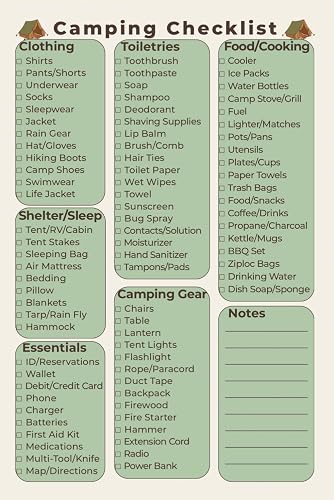
A written list saves you from discovering a missing item after you land. Use the checklist below as a starting point and adjust it for your climate and skin needs.
- Gentle cleanser in a travel-size container or a solid cleansing bar
- Treatment serum in a sealed, leak-resistant bottle
- Moisturizer sized to roughly one month of use
- Broad-spectrum sunscreen (check the label for SPF 30 or higher for daytime outdoor use)
- Lip balm with SPF if you will be in direct sun
- Cotton pads or a reusable microfiber cloth
- Zip bag for liquids, sized to the quart limit
- A small mirror or phone flashlight for checking the application in dim hotel bathrooms
Step 5: Adjust the Kit for Climate and Trip Type
Your destination changes what you need. Dry climates and high-altitude trips often call for a richer moisturizer and a hydrating mist, while hot, humid places favor lighter gel textures and a stronger sunscreen. Long flights dehydrate skin quickly, so pack a moisturizer you can apply on the plane. If you are traveling somewhere with unpredictable weather, bring a small backup of your sun protection rather than relying on buying it locally.
| Trip type | Adjust for | Suggested change |
|---|---|---|
| Beach or tropical | Heat, sweat, sun exposure | Lightweight gel moisturizer, water-resistant sunscreen |
| Desert or mountains | Low humidity, wind | Richer cream, lip balm, hydrating mist |
| Long-haul flight | Cabin dryness | Extra moisturizer kept in carry-on, sheet-style mask if desired |
| Cold-weather trip | Wind, indoor heating | Barrier cream, sunscreen for snow glare |
For a broader look at how other travelers organize their kits, see Travel Packing List Essentials: 5 Best Picks for Every Trip and Travel Essentials to Pack: 5 Best Picks for Every Trip (2026). If you travel with a carry-on only, Travel Hand Luggage Essentials: 7 Best Picks for Every Trip covers how to fit everything into a compact bag. For skin care specific to long journeys, the guide to Travel Essentials for a Long Flight: 4 Best Picks for Comfort in 2026 is a useful companion.
Common Mistakes to Avoid
- Packing full-size bottles out of habit. Most routines need far less than you think, and oversized containers are often rejected at security.
- Forgetting sunscreen on cloudy days. UV exposure can remain high on overcast days, especially at altitude or near water.
- Skipping the leak test. Before you pack, seal each bottle and turn it upside down over a paper towel for a few minutes.
- Mixing products without checking compatibility. Some active ingredients are best used in separate steps, so keep your routine order written down.
- Assuming hotel products will work for you. Ingredients and textures vary, and sensitive skin can react to unfamiliar formulas.
Tips for a Lighter, Leak-Free Kit
- Decant only what you need into labeled 1-ounce or 30 mL containers, and write the date you packed them.
- Use a solid or powder cleanser to remove liquid from your bag entirely.
- Store the kit in a hard-sided case or a zip pouch with a waterproof lining.
- Keep a small emergency supply of your most important product in your carry-on, in case checked luggage is delayed.
- Restock before a trip, not during it, so you are not shopping in an unfamiliar pharmacy.
Recommended gear
These items help keep a Good Molecules kit organized, leak-free and easy to carry. Each one addresses a specific problem covered above.
- Leak-proof travel bottles. Silicone or hard-plastic squeeze bottles make it easy to decant serums and moisturizers without glass breakage. View on Amazon
- Clear quart-size zip bags. A reusable clear bag keeps liquids visible for security screening and contains small spills. View on Amazon
- Hanging toiletry bag with a waterproof lining. A bag with a wipe-clean interior and a hook helps you keep the kit upright in a hotel bathroom. View on Amazon
- Small silicone travel containers. These are useful for cream samples and for dosing serums without over-pouring. View on Amazon
FAQ
Can I bring Good Molecules products in my carry-on?
Yes, as long as liquids and creams are in containers of 3.4 ounces (100 mL) or less and fit inside one quart-size clear bag. Solid products are generally not limited. Confirm current rules with the TSA or your airline before you fly.
How much skincare should I pack for a week?
Measure your daily use for each product, multiply by seven, then add about 20 percent as a buffer. For many people, a few travel-size containers are enough for a week.
Do I need to refrigerate my serums while traveling?
Most people do not need to. Keep products out of hot cars and direct sun, and check the label or the manufacturer’s storage guidance for any special instructions.
Should I decant products or bring the original bottles?
Decanting saves space and weight, but use clean, labeled, leak-resistant containers. Original packaging is fine for short trips if the bottle is within the carry-on limit.
What is the best way to pack a leak-prone bottle?
Seal the cap with tape, place the bottle in a zip bag, and store it upright in the center of your kit. Wrap it in a soft layer of clothing for extra protection.
Is sunscreen really necessary on cloudy days?
Yes. UV rays can pass through clouds, and reflection from water, sand and snow can increase exposure. A daily broad-spectrum sunscreen is a sensible habit when traveling.
When should I talk to a professional about my skincare?
If you have a skin condition, a reaction to a product, or questions about medications and active ingredients, consult a dermatologist or pharmacist before changing your routine.
Can I rely on buying products at my destination?
Often you can, but availability, ingredients and textures vary by country. Packing a backup of your most important product is the safer choice, especially for trips to remote areas.
Conclusion
A well-planned Good Molecules travel kit comes down to measuring your routine, following airline liquid rules, and packing with leak protection in mind. Use the checklist and table above to adjust for your climate and trip length. With a little preparation, you can keep your skincare consistent wherever you go.
Ready to choose one?
About Caleb Morgan
Caleb Morgan is part of our editorial team and reviews and edits our travel essentials & packing lists guides, checking product details against manufacturer specifications and owner feedback.