 By Emily Parker
Updated November 2026
The travel and leisure best travel accessories are the small, reliable items that make a trip run smoother: a sturdy packing system, a compact charging setup, sleep and comfort gear, and document organization. This guide walks you through how to decide what you actually need, how to match accessories to your trip length and destination, and how to build a kit that fits in your carry-on without overloading it.
Start With Your Trip Profile, Not a Shopping List
The most common packing mistake is buying accessories for a trip you are not taking. Before you add anything to your cart, write down four facts about your next trip: how many days you will be gone, how many hours you will spend in transit, what climate you are heading into, and whether you will be working, sightseeing, or relaxing. Those four answers will eliminate most of the gear you would otherwise overbuy.
Shopping for one? See our guide: 3 Best Travel Photography Accessories for Better Trip Photos (2026).
- Trip length: A weekend trip needs a different kit than a three-week itinerary. Under five days, you can usually rely on a single set of chargers and a small toiletry bag. Past two weeks, you will want laundry-friendly organizers and a second power source.
- Transit time: Anything over six hours of travel time justifies neck support, eye masks, and a sleep-friendly layer. Short hops rarely do.
- Climate: Humid destinations call for moisture-wicking organizers and a small umbrella. Cold destinations push you toward layering pieces and a compact glove set.
- Activity mix: Hikers need a different accessory set than city walkers, and business travelers need a different set than beach vacationers.
For trip-type specifics, see Best Travel Accessories for Business Travelers: 9 Essentials for Work Trips and Best Travel Accessories for International Flights: A Practical Guide (2026).
Choose Your Core Organization System
Organization gear does more for a trip than almost anything else, because it determines how quickly you can find what you need at a security line, a hotel check-in, or a gate change. Start here before adding anything else.
Packing cubes and compression sleeves
Packing cubes separate clothing by category so you can unpack one cube at a time instead of the whole bag. For a carry-on, a set of three to four medium cubes is usually enough. Compression sleeves reduce bulk by squeezing air out of soft clothing, which helps when you are trying to stay under carry-on dimension limits. Many airlines specify a maximum carry-on size, often around 22 x 14 x 9 inches for domestic US flights, so measure your bag and check your carrier before you commit to a particular packing layout.
Document and valuables pouch
A slim, zippered pouch that holds your passport, boarding passes, and a backup card keeps essentials in one place. Choose one with an RFID-blocking layer if you carry multiple cards, and keep it in a consistent spot in your bag so you never have to search for it.
Toiletry kit with clear compartments
Clear, quart-size-compliant toiletry bags let security officers see contents without you unpacking everything. Keep liquids under 3.4 ounces (100 ml) each if you are flying in the US and pack them in a single clear bag. For a deeper look at bathroom-specific bags, see 5 Best Travel Bags for Bathroom Accessories: Our Picks Compared (2026).
Build a Charging and Tech Setup That Works Abroad and at Home
Power is the accessory category travelers most often underestimate. A phone that dies at a gate or a laptop that runs out mid-transfer can derail a day. Build your setup around one principle: fewer, better devices that cover all your ports and voltages.
Step 1: Count your devices
List every device that needs power: phone, tablet, laptop, earbuds, camera, and any wearable. Most travelers carry three to five. Knowing the number tells you how many ports you need.
Step 2: Choose a power bank by capacity and output
Power banks are rated in milliamp-hours (mAh). A 10,000 mAh bank typically gives a modern smartphone about two full charges, accounting for conversion losses. For laptops, look for a bank with USB-C Power Delivery and a rated output that matches your laptop’s charging wattage. Airlines generally allow lithium-ion power banks in carry-on luggage but not checked bags, and capacity limits apply, so check the Wh (watt-hour) rating printed on the bank.
Step 3: Add a multi-port charger for international use
A single compact wall charger with two or three USB ports replaces several bricks. Confirm the input voltage range printed on the charger (many cover 100–240V) and bring a plug adapter matched to your destination. Adapters for the UK, Europe, and Australia use different plug shapes, so buy by destination.
| Trip type | Power bank capacity to consider | Ports to prioritize |
|---|---|---|
| Weekend city trip | 10,000 mAh | 1 USB-C, 1 USB-A |
| One-week mixed trip | 10,000–20,000 mAh | 2 USB-C with Power Delivery |
| Long trip or remote travel | 20,000 mAh or higher, Wh-rated | USB-C PD plus USB-A |
For more on tech-specific picks, see Best Travel Tech Accessories: 9 Essentials for Every Trip (2026).
Add Comfort Gear for Long Transit Days
If your trip includes a flight over six hours, a bus ride, or a long train day, comfort accessories earn their space. Focus on items that reduce noise, light, and neck strain rather than novelty gadgets.
- Noise-reducing earbuds or over-ear headphones: Active noise cancellation performs best against steady low-frequency sound like engines.
- Contoured eye mask: A mask that does not press on your eyelids allows real sleep. Look for one with an adjustable strap.
- Inflatable or memory-foam neck pillow: Choose a size that supports your head without forcing it forward. Inflatable versions pack smaller but require a few breaths to set up.
- Compression socks: Many people find them helpful on long seated journeys. Anyone with circulatory conditions should check with a doctor before using them.
- Refillable water bottle: Empty it at security, fill it after, and you stay hydrated on a long flight without buying bottles.
For flight-specific sets, see Best Travel Accessories for Long Haul Flights: 9 Picks for 10+ Hours in the Air and Best Travel Accessories for Plane Trips: 9 Essentials for a Smoother Flight.
Match Accessories to Your Destination
Destination changes the kit. A trip to a rainy coastal city needs different gear than a trip to the desert. Use the list below as a starting point.
- Europe: Plug adapters for Type C and Type G plugs, a compact transit card holder, and a lightweight umbrella. See Best Travel Accessories Europe: 9 Essentials for Your Trip (2026).
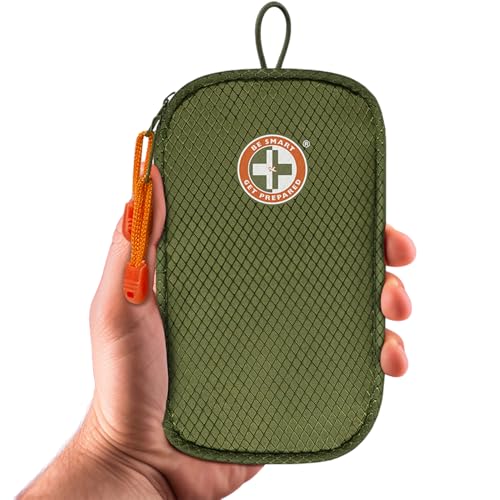
- International, mixed climates: A quick-dry travel towel, a small first-aid pouch, and a copy of your itinerary stored offline. See Best International Travel Accessories: 9 Essentials for Every Trip (2026).
- Warm or humid destinations: Sun protection, moisture-wicking organizers, and a bag for wet swimwear.
- Cold destinations: Thermal layers, gloves that work with touchscreens, and a lip balm with sunscreen for snow glare.
Common Mistakes to Avoid
- Buying for a trip you are not taking. Fill your cart from your trip profile, not from product reviews alone.
- Ignoring voltage. Chargers rated only for 120V can overheat or fail on 220–240V outlets. Check the label before you plug in.
- Packing lithium batteries in checked luggage. Most airlines require power banks to stay in carry-on bags.
- Overpacking organizers. Three well-chosen cubes beat seven half-used ones.
- Skipping a test run. Use your full kit on a short local trip or a day out so you learn what you will actually reach for.
Recommended gear
These items are widely available and match the core categories covered above.
- Anker PowerCore 10000: A compact power bank that suits short trips and fits easily in a carry-on pocket. View on Amazon
- Bagail Packing Cubes Set: A multi-size cube set that separates clothing by category for a carry-on. View on Amazon
- Bose QuietComfort headphones: Over-ear noise-cancelling headphones that help reduce engine drone on long flights. View on Amazon
- Anker 3-port USB wall charger: A compact multi-port wall charger for phones and tablets in a single plug. View on Amazon
Tips for a Lighter, Smarter Kit
- Keep your core kit in a dedicated pouch so you can move it between bags without repacking.
- Store a digital copy of your passport, insurance card, and reservations in a secure cloud folder and also on your phone offline.
- Replace worn cables before a trip, not during one. Frayed cables are a frequent cause of slow or failed charging.
- Label your chargers with colored tape so you can identify them quickly in a hotel room.
FAQ
What are the most important travel accessories to pack?
For most trips, the essentials are a packing organizer system, a power bank, a multi-port charger with the right plug adapter, a document pouch, and a clear toiletry bag. Add comfort gear if your trip includes long transit days.
How big a power bank should I bring?
A 10,000 mAh bank suits short trips and phone charging. For laptops or trips longer than a week, look for a higher-capacity bank with USB-C Power Delivery and check its watt-hour rating against airline limits.
Can I pack power banks in checked luggage?
Generally no. Most airlines require lithium-ion power banks to be carried in the cabin. Confirm current rules with your specific airline before you fly.
Do I need a plug adapter or a voltage converter?
Most modern electronics with a label reading 100–240V only need a plug adapter. Check the labels on your devices. Heat-based appliances like hair dryers may need a converter if they are rated only for one voltage.
How many packing cubes should I bring?
Three to four medium cubes cover most carry-on trips. Longer trips may benefit from one additional cube for shoes or laundry.
What should I keep in my carry-on versus checked bag?
Keep valuables, medications, chargers, power banks, travel documents, and a change of clothes in your carry-on. Anything you cannot replace should stay with you.
Are travel accessories worth it for short trips?
For short trips, a smaller kit is usually enough: a charger, a document pouch, and a toiletry bag. Save the specialized gear for longer or more demanding itineraries.
Should I check with a doctor before using travel comfort gear?
Yes, if you have circulatory conditions, sleep disorders, neck or back problems, or medical devices. Compression wear and inflatable supports are not right for everyone, so consult a healthcare professional when in doubt.
Conclusion
The travel and leisure best travel accessories are the ones that match your trip length, transit time, climate, and activities. Start with an organization system, build a charging setup that covers your devices and destination voltage, and add comfort gear only for long travel days. Test your kit on a short trip before the big one, and you will know exactly what to pack next time.
Ready to choose one?
About Emily Parker
Emily Parker is part of our editorial team and reviews and edits our travel essentials & packing lists guides, checking product details against manufacturer specifications and owner feedback.