By Colin Foster
Updated November 2026
The best international travel accessories are the small, targeted items that solve real problems on a trip abroad: sleeping on a long flight, keeping your devices charged across different outlets, carrying documents safely, and staying comfortable when the schedule and climate change. This guide walks through the categories that matter most, explains what to look for in each, and gives you a checklist you can adapt to your destination and trip length.
How to Choose Accessories for an International Trip
Before you buy or pack anything, sort your needs by problem rather than by product. International trips tend to create four kinds of friction: long transit time, unfamiliar electrical systems, security and document handling, and changes in climate and time zone. An accessory earns its place when it addresses one of these directly.
Shopping for one? See our guide: 3 Best Travel Photography Accessories for Better Trip Photos (2026).
Start With Trip Length and Transit Time
A five-day trip to a neighboring country and a three-week trip with two long-haul legs need different kits. For short trips, focus on compact items that fit in a personal item bag. For trips longer than ten days or involving connections, add comfort items and extra power capacity. Count your total hours in transit, both ways, and treat that number as the baseline for how much in-flight gear you need.
Check the Destination’s Power and Climate
Most of Europe uses 230V and Type C or Type F plugs, the UK uses 230V with Type G, and Japan and North America use 100 to 127V with Type A or B plugs. A universal travel adapter covers the plug shape, but it does not change voltage. Check your device chargers for an input range that says 100 to 240V, which most laptop and phone chargers already support. Hair dryers, straighteners and some electric shavers often do not, so they may need a voltage-converting unit or a stay-home approach.
Confirm What You Can Carry
Liquid rules, lithium battery limits and document requirements vary by airline and country. Lithium-ion batteries over 100 watt-hours generally need airline approval, and spare batteries usually must be carried in cabin baggage rather than checked. Check your airline’s current policy before you pack, and keep a printed copy of your reservation and passport details in a separate place from your passport.
The Core Accessories for International Travel
Universal Travel Adapter
Choose one with at least two USB-A ports and one or two USB-C ports, plus grounded outlets for the countries you visit. Look for built-in surge protection and a clear label showing which regions it supports. A single adapter with a USB-C Power Delivery port can charge a laptop, so you may not need a separate brick for each device.
Power Bank
A power bank in the 10,000 to 20,000 mAh range covers most day trips and gives you one or two extra phone charges between outlets. Check the watt-hour rating printed on the bank, since that figure determines airline acceptance. Keep it in your carry-on, not in checked luggage.
Noise-Canceling Headphones or Earplugs
Engine noise and cabin chatter make sleep difficult on overnight flights. Over-ear noise-canceling headphones reduce low-frequency drone well, while foam earplugs cost little and take up almost no space. Many travelers carry both, using earplugs for sleep and headphones for entertainment.
Neck Pillow and Eye Mask
A supportive neck pillow keeps your head upright on a seat that does not recline fully. Choose one with a firm inner core rather than a fully inflatable model, which can slip. A contoured eye mask blocks light without pressing on the eyelids, which matters when you need to sleep during daytime arrival in a new time zone.
Packing Cubes and a Document Organizer
Packing cubes in two or three sizes keep clothing sorted and make hotel unpacking faster. A slim document organizer or zippered pouch keeps passports, boarding passes, insurance papers and cash together, and it makes it easy to find everything at immigration counters.
Money Belt or Slim Crossbody Wallet
A hidden pouch or crossbody bag with a secure zipper keeps your passport and cards close to your body in crowded transit hubs. Wear it under your clothing in busy areas, and keep only the cash and cards you need in an outer wallet.
Luggage Lock and Luggage Tags
TSA-approved locks let security screeners open your bag with a master key without cutting the lock, and many airports in other countries use similar systems. Put a tag with your name, phone number and email on the outside of each bag, and place a second card with the same details inside.
Reusable Water Bottle
Empty bottles pass through security, and you can refill them after the checkpoint. Many international airports have filling stations. Keeping hydrated on a long flight helps with fatigue and comfort, and a bottle saves you from buying expensive airport water repeatedly.
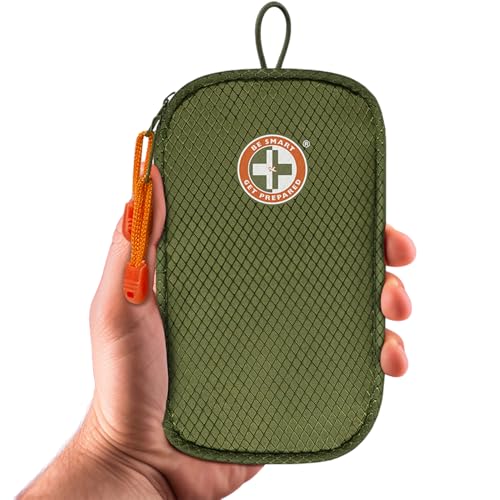
Compact First-Aid and Medication Kit
Pack basic supplies such as pain relievers, antihistamines, motion sickness tablets, blister patches and any prescription medications in their original labeled containers. Carry a copy of your prescriptions. Check your destination’s rules for certain medications before you travel, and consult your doctor or pharmacist for personal health advice.
Destination-Specific Checklist
Use this table to match accessories to your trip type. Adjust quantities based on how many days you will be away.
| Trip Type | Priority Accessories | Why It Matters |
|---|---|---|
| Short city break (2 to 4 days) | Universal adapter, power bank, document pouch | Minimal luggage, fast connections, easy access to documents |
| Long-haul flight (10+ hours) | Neck pillow, eye mask, earplugs, reusable bottle | Sleep and hydration during extended time in a seat |
| Multi-country trip | Adapter with multiple regions, packing cubes, luggage tags | Changing plugs and packing for different climates |
| Business travel | Laptop-compatible adapter, slim organizer, noise-canceling headphones | Working on the move and protecting documents |
| Hot or humid destination | Cooling towel, sun-protective clothing, electrolyte packets | Heat management during sightseeing |
Step-by-Step: Building Your Kit
- List your transit hours and the number of countries you will visit.
- Look up the plug type and voltage for each destination.
- Choose one universal adapter that covers all of them, and confirm it has the USB ports you need.
- Pick a power bank within airline limits for your carry-on.
- Add comfort items for the flight: earplugs or headphones, eye mask and neck pillow.
- Assemble documents in a single organizer, with photocopies stored separately.
- Test everything at home before you leave, including charging cables and locks.
Common Mistakes to Avoid
- Assuming an adapter converts voltage. It changes the plug shape only. Check voltage ratings on each device.
- Packing lithium batteries in checked bags. Most airlines require spare batteries in cabin baggage.
- Carrying too many single-purpose gadgets. Choose accessories that solve two problems when possible.
- Skipping a test run. Charge every device through your adapter before the trip.
- Keeping all documents in one place. Store digital copies in cloud storage and a paper copy separately.
Tips for Using Your Accessories Well
Charge your power bank and devices overnight before a long trip, so you start the journey with full batteries. Set your phone to the destination time zone once you board, if your airline offers the option, to help your body adjust. Keep your headphones, eye mask and bottle in a single pocket of your personal item so you can reach them without digging through your bag. For more detail on specific trip types, see the guides linked below.
Recommended gear
These products address the most common international travel problems. Choose the version that matches your destination and carry-on limits.
- Universal travel adapter with USB-C ports: One adapter covers plug shapes across most regions, and USB-C Power Delivery support can charge laptops. View on Amazon
- Anker PowerCore power bank: A widely available portable battery line with a range of capacities that fits most airline carry-on rules when you check the watt-hour rating. View on Amazon
- Packing cubes set: Multiple sizes keep clothing organized and compress your bag, which helps with hotel unpacking. View on Amazon
- Bose QuietComfort headphones: Over-ear noise-canceling headphones that reduce engine drone on long flights. View on Amazon
FAQ
Do I need a voltage converter for international travel?
Usually not for phones, laptops and cameras, since most modern chargers accept 100 to 240V. Check the label on each charger. Heat-based appliances like hair dryers often need a converter or should be left at home.
Can I carry a power bank on an international flight?
Most airlines allow power banks in carry-on bags but not in checked luggage. Check the watt-hour rating and your airline’s specific rules before you fly.
What is the difference between a travel adapter and a converter?
An adapter changes the shape of the plug so it fits the outlet. A converter changes the voltage so the device receives the correct electrical input.
Should I pack earplugs or noise-canceling headphones?
Earplugs are compact and inexpensive for sleep. Noise-canceling headphones work better for ongoing engine noise and entertainment. Many travelers bring both.
Are TSA locks accepted in other countries?
Many airports in other countries use similar master-key systems, but acceptance varies. A lock you can open with a key or combination is a safe choice either way.
How many travel accessories should I pack?
Pack only items that solve a specific problem on your trip. For most international trips, a core set of adapter, power bank, document organizer, and flight comfort items covers most needs.
Should I consult anyone about medications for travel?
Yes. Talk to your doctor or pharmacist before you travel, especially about prescription medications, vaccinations, or motion sickness products, and check the destination’s rules on carrying medicines.
Where can I find more specific packing guides?
See our guides on Best Travel Accessories for International Flights: A Practical Guide (2026), Accessories for International Travel: 10 Essentials to Pack (2026), and Best European Travel Accessories: 9 Essentials for Your Trip (2026) for trip-specific checklists.
Conclusion
The best international travel accessories solve specific problems: power across different outlets, rest on long flights, document security, and comfort in new climates. Start with your trip length and destination, pack a core set of adapter, power bank, document organizer and flight comfort items, and test everything before you leave. For more focused lists, explore our guides to Best Long Haul Travel Accessories: 9 Essentials for 10+ Hour Flights and Best Luxury Travel Accessories: 9 Worth Packing for Every Trip.
Related reading
- International Travel Accessories for Men: 9 Essentials for Long Trips (2026)
- Best Travel Tech Accessories: 9 Essentials for Every Trip (2026)
Ready to choose one?
About Colin Foster
Colin Foster is part of our editorial team and reviews and edits our travel essentials & packing lists guides, checking product details against manufacturer specifications and owner feedback.