 By Colin Foster
Updated November 2026
A summer essentials travel kit is a small, organized set of items that covers sun protection, hydration, cooling, skin care and comfort for hot-weather trips. This guide walks you through building one from scratch, sorting items by how often you will need them, and packing the kit so nothing gets crushed or lost. By the end, you will have a checklist you can reuse for beach weeks, city breaks and road trips.
Why a Dedicated Summer Kit Makes Packing Easier
Summer trips tend to bring the same problems: sunburn, sweat, dehydration, sticky luggage and a long list of small things you forget until you need them. A dedicated kit solves this by keeping the heat-related items in one place. You grab one pouch instead of searching three suitcases, and you can move the whole kit to a carry-on when a checked bag is delayed.
Shopping for one? See our guide: 3 Best Travel Essentials Kits for Women: Our Picks for Every Trip.
A kit also works best when it is sized to the trip. A three-day city break needs a few sunscreen samples and a single hydration tool. A ten-day coastal trip needs more of everything, plus a way to keep items cool. The steps below help you decide what belongs in yours.
Step 1: Decide Your Trip Length and Climate
Before you buy or pull items, define the trip. Note three things: the number of days, the expected high temperature, and how much time you will spend outdoors. A trip with eight hours of daily beach exposure needs a stronger sun kit than a trip where you mostly move between air-conditioned spaces.
- Short trip (1–4 days): One sunscreen tube, one reusable bottle, a compact fan or cooling towel.
- Medium trip (5–10 days): Full-size sunscreen plus a travel size for refills, electrolyte packets, and a second hat or cover-up.
- Long or high-heat trip (10+ days): Larger quantities of sunscreen and after-sun, a cooling kit, and a dedicated laundry sheet set for sweaty clothes.
Step 2: Build the Sun Protection Layer
Sun protection is the core of any summer essentials travel kit. Manufacturers typically label sunscreen with an SPF number that measures protection against UVB rays. Most dermatology groups recommend a broad-spectrum product of SPF 30 or higher for extended outdoor time, and reapplication every two hours or after swimming or heavy sweating. Check the label for the reapplication directions, since these vary by product.
What to Pack for Sun Protection
- A broad-spectrum sunscreen, SPF 30 or higher, in a leak-proof bottle under 100 ml for carry-on rules.
- A stick sunscreen for face, ears and the back of the neck, where liquid is harder to apply evenly.
- A wide-brim hat or packable cap.
- UV-rated sunglasses with a case.
- A lightweight long-sleeve sun shirt for midday hours.
Step 3: Add Hydration and Electrolyte Tools
Heat drains fluid faster than most travelers expect, especially during walking-heavy days or flights. Pack a reusable bottle that empties before security and refills at a tap or water station. Many airports and transit hubs have refill points, though availability varies, so check ahead when you can.
Electrolyte packets help replace sodium and potassium lost through sweat. Choose single-serve sticks rather than powders in jars, since they stay sealed and take up little space. If you have a medical condition that affects fluid or salt intake, consult your doctor before adding electrolyte products to your routine.
Step 4: Plan Cooling and Comfort Items
Cooling gear is where a summer kit earns its keep. A cooling towel, a small battery fan and a pack of skin-soothing wipes can make a hot afternoon bearable without much bulk. Cooling towels usually activate when soaked in water and wrung out, and they stay useful for several hours of evaporation. Check the manufacturer’s care instructions before using one on delicate fabrics.
Step 5: Include Skin Care and After-Sun Items
Even with good sun protection, skin sometimes gets more exposure than planned. An aloe-based after-sun gel and a bottle of unscented moisturizer handle mild redness and dryness. Pack a small tube of lip balm with SPF, since lips burn quickly and are often missed. A few adhesive bandages for chafing from sandals or straps round out this section.
Step 6: Organize the Kit for Easy Access
Pack the kit so the items you use daily sit on top. Use a zippered pouch with a clear panel or a small bag with internal dividers. Keep liquids in a separate clear pouch so you can pull them out at security without unpacking everything. Store fragile items like sunglasses in a hard case at the very top or in your personal item.
| Category | Core item | Best location in kit |
|---|---|---|
| Sun protection | Broad-spectrum sunscreen, SPF 30+ | Top pocket, liquids pouch |
| Hydration | Reusable bottle, electrolyte sticks | Side pocket, accessible |
| Cooling | Cooling towel, battery fan | Main compartment, top layer |
| Skin care | After-sun gel, lip balm with SPF | Small inner pocket |
| Comfort | Wipes, bandages, blister pads | Front zip pocket |
Step 7: Check Airline and Transit Rules
Liquid limits apply to most carry-on bags in the United States, and the standard for security screening is containers of 3.4 ounces (100 ml) or less in a single quart-size bag. Some sunscreens and after-sun gels are larger than that. Decant them into travel bottles or pack full sizes in checked luggage. Rules for fans with batteries also vary, so check the airline’s policy on lithium batteries before you fly with a battery-powered cooler or fan.
Common Mistakes
- Packing one sunscreen for the whole trip. Pack a second bottle or a stick for reapplication, especially on beach days.
- Relying on a single bottle of water. Plan refill points before you leave, or carry a bottle that holds at least 24 ounces.
- Skipping lip protection. Lip burn is common and easy to prevent with a tinted or SPF lip product.
- Storing sunscreen in the hot car. Extreme heat can separate formulas and reduce effectiveness. Keep it in the shade or in your bag.
- Overpacking the kit. A summer kit should fit in one pouch. If it grows past that, move extras into a suitcase.
Recommended gear
A reusable insulated bottle keeps water cool for hours and avoids the cost and waste of single-use plastic on the road. Pick one with a wide mouth so you can add ice and electrolyte sticks easily.
A cooling towel gives quick relief without electricity. Soak it, wring it, and drape it over your neck; it works well for long walks and crowded transit days.
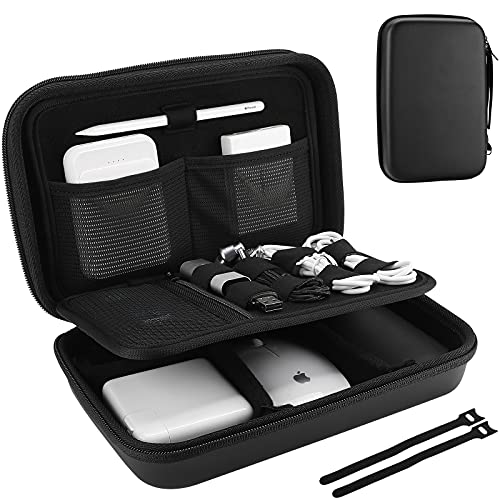
A compact pouch with clear panels helps you find sunscreen and liquids fast at security, and keeps the kit from spreading across your bag.
FAQ
How big should a summer essentials travel kit be?
Most kits fit in a pouch about the size of a pencil case or a small toiletry bag. If the kit fills a full suitcase compartment, it is probably carrying more than you need for a single trip.
What SPF should I pack for a beach trip?
Many dermatology groups recommend a broad-spectrum sunscreen with SPF 30 or higher for extended outdoor exposure. Reapply every two hours and after swimming or heavy sweating, following the directions on your product label.
Can I bring sunscreen on a plane?
Yes, but liquid limits apply to carry-on bags in the United States. Pack sunscreen in containers of 3.4 ounces (100 ml) or less inside a quart-size bag, or place larger bottles in checked luggage. Confirm with your airline for specific rules.
How much water should I carry on a hot day?
Needs vary with activity, body size and temperature. A reusable bottle of at least 24 ounces is a practical starting point for a day outdoors. If you have a heart, kidney or other condition that affects fluid intake, ask your doctor how much to drink.
Are electrolyte packets necessary?
They are useful during heavy sweating, long walks or travel in very humid climates, but they are not required for everyone. Plain water works for most short outings. Consult a healthcare professional if you have a condition that affects sodium or potassium levels.
Should I pack a battery-powered fan?
A small fan can help on hot transit days or in rooms without strong air conditioning. Check airline rules for lithium batteries before flying, since some carriers have specific limits on battery capacity and placement.
What should I do if I get sunburned on a trip?
Move into shade, apply a cool compress, use an aloe-based after-sun gel, and drink water. Seek medical care for blistering, fever, severe pain, or burns covering large areas of the body. Consult a doctor or pharmacist for guidance on pain relievers.
Can a summer kit work for road trips as well as flights?
Yes. The same core items apply. On road trips, you can carry larger quantities of sunscreen and water, since liquid limits do not apply to your car, but keep products out of direct heat in the vehicle.
Conclusion
A summer essentials travel kit works best when it is built around sun protection, hydration, cooling and skin care, and sized to your trip length. Start by defining your climate and days, then pack the core items into one organized pouch. Check airline liquid and battery rules before you leave, and review the checklist before each trip so the kit stays stocked and ready.
Related reading
- Travel Makeup Kit Essentials: 9 Items to Pack for Any Trip
- Travel Kit Essentials List: 12 Items to Pack in Your Kit (2026)
- Travel First Aid Kit Essentials: 5 Best Picks for Trips in 2026
- Travel Essentials Europe Summer: A Packing Checklist for Hot Weather Trips
Ready to choose one?
About Colin Foster
Colin Foster is part of our editorial team and reviews and edits our travel essentials & packing lists guides, checking product details against manufacturer specifications and owner feedback.