 By Caleb Morgan
Updated November 2026
A Victorinox travel essentials belt bag is a small, front-or-hip-worn pouch meant for the things you need within reach at all times: passport, phone, cards, cash, and a few small tools. This guide walks you through how to decide what belongs in it, how to organize the contents so you can find things without digging, and how to wear it so it stays secure in airports, train stations, and busy streets.
What a Victorinox Travel Essentials Belt Bag Is Designed For
Belt bags in the travel category generally serve one purpose: keeping high-value, high-need items on your body rather than in a bag you might set down. Victorinox markets its travel essentials line around organization and everyday carry, so the bag tends to favor separate compartments, a zippered main pocket, and sometimes a smaller interior sleeve over one large open space. Before you pack it, check the product page or the manufacturer’s listing for the exact compartment count and dimensions, since these vary between versions in the travel essentials range.
Shopping for one? See our guide: 4 Best One Bag Travel Essentials for Carry-On Trips (2026).
It is worth being clear about what a belt bag is not. It is not a substitute for a carry-on, and it is not built to hold a full day’s worth of gear. Treat it as the layer that sits on top of your main luggage: the items you would be upset to lose, plus the items you reach for repeatedly.
Step 1: Decide What Belongs in the Bag
The most common packing error is filling a belt bag like a small suitcase. Start with a short list of items that meet at least one of these tests: you cannot replace it on the road, you need it at border or security checkpoints, or you use it several times a day.
- Passport, and a photocopy or photo of it stored separately
- Phone and a short charging cable
- One or two payment cards and a small amount of local cash
- Hotel key card or the address of your accommodation written down
- Medication for the day, in its original labeled container
- Earbuds, a small hand sanitizer, and tissues
- Glasses or a sunglasses case, if you need them for transit
Leave out anything bulky, liquid over the airline limit, or items you only need at your destination. A useful rule is to keep the bag flat enough to lie against your hip without bulging.
Step 2: Organize the Compartments
Once you have your list, assign each item a fixed home. This matters most when you are tired or moving quickly, because you will reach for the same place without thinking.
- Main zippered compartment: passport and boarding pass or ticket. Keep this closed while you are in transit.
- Front or quick-access pocket: phone, transit card, and any cash you expect to use within the hour.
- Interior sleeve or small pocket: spare cards, the hotel card, and small items like earbuds.
- Back or smallest pocket: emergency items such as a copy of your ID or a backup card, kept out of daily rotation.
Sub-step: Test the Layout at Home
Before any trip, pack the bag and walk around your house with it on for ten minutes. Sit down, reach for your phone, and open and close the passport pocket. If anything feels awkward or you cannot reach it by feel, move it. Make the adjustments now, not at a security line.
Step 3: Choose How and Where to Wear It
How you wear the bag matters as much as what you put in it. Most belt bags are designed to sit at the hip or front of the body, and the strap should be snug enough that the bag does not swing when you walk.
| Wearing position | Best for | Trade-off |
|---|---|---|
| Hip, back of the hip | Walking, city sightseeing, everyday use | Less visible to you, so check it often |
| Front of the waist | Crowded transit, markets, security lines | Can be awkward when sitting |
| Cross-body over one shoulder | Hiking, longer walks, when you carry a jacket | Slightly less secure if the strap is loose |
Adjust the strap so the bag sits against your body with a gentle hold, leaving room for a flat hand between the bag and your hip. In very crowded areas, many travelers prefer the front position so they can keep a hand on the zipper.
Step 4: Build a Pre-Trip Routine
Before you leave your hotel each day, run a quick check: passport present, phone charged, cards in place, and zippers closed. Keep the bag closed while you are moving and only open it at a stable spot, such as a table or a bench, rather than on a crowded train platform.
If you travel often, keep a short written list inside the bag or in your phone notes and check it at each departure. This habit catches gaps before they become problems, and it is far more reliable than trusting memory.
Tips for Getting the Most from a Belt Bag
- Keep a photocopy or secure digital copy of your passport separate from the bag, so a loss does not leave you without documentation.
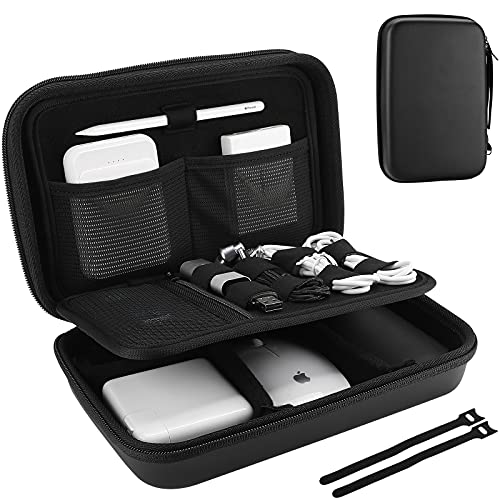
- Use a small zippered pouch inside the main compartment for cables and small electronics so they do not tangle with cards.
- Choose a neutral color for the outer fabric if you plan to wear it in crowded urban areas, since bright colors can draw attention.
- Empty and reorganize the bag at the end of each day, not only at the end of the trip.
- Check the weight of the loaded bag. If it pulls the waistband down or causes strain, remove the least-used item.
Common Mistakes
- Overfilling the bag. A stuffed belt bag is harder to open, more likely to get bumped, and more tempting to unzip in public.
- Storing everything in one pocket. When passport, cash, and cards share a space, you have to search for each item every time.
- Leaving the bag unzipped in crowds. Pickpockets look for open compartments. Keep zippers closed and your hand near the front.
- Packing the only copy of critical documents. Keep copies elsewhere in your luggage or stored digitally.
- Ignoring the strap fit. A loose strap lets the bag shift and makes it easier to lose or snag.
Recommended gear
These items complement a belt bag on most trips. Compare the specifications in each listing before buying to confirm they fit your needs.
- Packing cubes for the main bag: keep clothing separate from your daily carry so you only pull out what you need. View on Amazon
- Passport wallet with RFID-blocking sleeves: useful inside the belt bag for keeping cards and documents together and protected. View on Amazon
- Small zippered organizer pouch: holds cables and earbuds so they stay out of your card compartments. View on Amazon
FAQ
Is a Victorinox belt bag safe for carrying a passport?
It can be, as long as you keep the passport in the main zippered compartment and the bag closed in crowds. No bag is theft-proof, so keep a digital or paper copy of your passport stored elsewhere.
Can I use a belt bag as my only bag on a trip?
Only for short day trips or very light travel. Most travelers need a larger carry-on or daypack for clothing, water, and extra layers.
Where should I keep my phone in a belt bag?
The front or quick-access pocket is usually the most practical, since you can reach it without fully opening the main compartment.
Does a belt bag fit under airline seat rules?
Many airlines count a belt bag as a personal item, but policies differ. Check your airline’s current personal item size limits before you fly.
How do I stop a belt bag from bouncing while I walk?
Tighten the strap so the bag sits snugly against your body, and keep the load light. A loose strap is the most common cause of bounce.
How should I clean the bag after a trip?
Wipe the outer fabric with a damp cloth and mild soap, let it air-dry fully, and check the care label for any specific instructions for your version.
Should I take a belt bag on a long-haul flight?
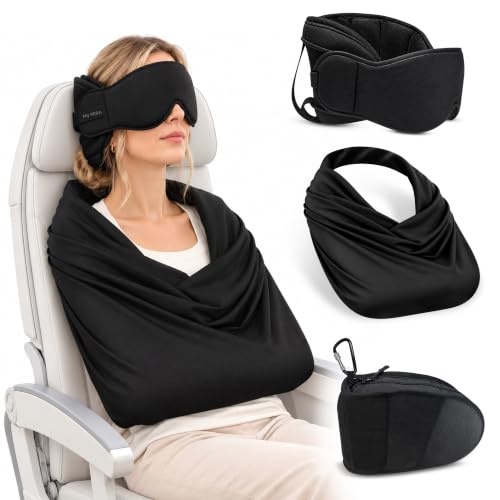
It works well as a personal item for documents, phone, and small comfort items. Pack a separate kit for longer flights with things like a neck pillow and medication if needed. For medical or medication questions, consult your doctor or pharmacist before travel.
Conclusion
A Victorinox travel essentials belt bag does its best work when it holds only what you cannot afford to lose or need constantly. Decide your core list, assign each compartment a fixed job, test the fit at home, and keep the bag closed in busy places. With a simple routine, you will spend less time searching and more time on the trip itself.
Ready to choose one?
Related reading
- Golf Travel Bag Accessories: 9 Essentials for Safe, Organized Flights
- World Travel Essentials Toiletry Bag: 5 Best Picks Compared (2026)
- Victorinox Travel Essentials Zip Around Wallet: 4 Best Picks for Every Trip
- Travel Emergency Bag Essentials: 6 Best Picks Compared (2026)
About Caleb Morgan
Caleb Morgan is part of our editorial team and reviews and edits our travel essentials & packing lists guides, checking product details against manufacturer specifications and owner feedback.