By Colin Foster
Updated November 2026
A sea base packing list helps you arrive ready for time on the water, whether you are heading to a dive station, a marine research base or a coastal training site. This guide walks you through sorting essentials by category, checking the rules of your specific site, and keeping your carry-on organized so nothing critical gets left behind.
Step 1: Confirm the Rules and Requirements First
Sea bases set their own rules on what you can bring, what you must provide, and what is supplied on site. Before you pack, check the official program or facility guidance for dress codes, gear restrictions, and any required medical or training forms. Call ahead to confirm availability of items like laundry, power outlets and freshwater, since these vary widely by location.
Shopping for one? See our guide: Packing List Everest Base Camp: 4 Best Guides for Your Trek (2026).
Step 2: Pack Clothing for Sun, Salt and Humidity
Plan for heat, sun exposure and constant dampness. Salt air and humidity slow drying, so bring more underwear and quick-dry layers than you think you need. Choose synthetic or merino fabrics over cotton, which holds moisture and stays cold when wet.
- Four to six days of quick-dry tops and shorts, or one set per day if laundry is limited
- One long-sleeve sun shirt for UV protection
- A warm layer such as a fleece or light jacket for cool evenings or early boat runs
- Closed-toe shoes that can get wet, plus sandals with heel straps
- A wide-brim hat and sunglasses with a retainer strap
- Swimwear, two sets so one can dry while you wear the other
Step 3: Pack Health, Safety and Personal Care Items
Remote coastal sites may be far from pharmacies, so bring what you need for the full stay plus a few extra days. Ask a physician or pharmacist about medications suitable for motion, sun and insect bites, and consult a professional before taking any new medication.
- Reef-safe or mineral-based sunscreen, at least SPF 30
- Lip balm with SPF and a reusable water bottle
- Motion sickness remedies, if you are prone to seasickness
- Basic first-aid kit with antiseptic, blister care and bandages
- Prescription medications in original containers, with copies of prescriptions
- Travel-size toiletries in leak-proof bags
Step 4: Organize Documents, Gear and Carry-On
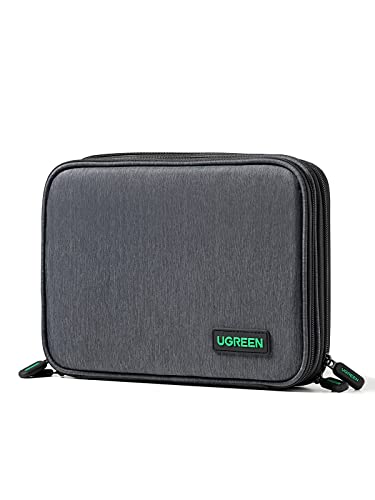
Keep important papers in a waterproof pouch, and store electronics in a dry bag inside your main luggage. Pack a carry-on with items you will need during transit, including medications, a change of clothes and any required paperwork, so a delayed bag does not derail your arrival.
| Category | Items |
|---|---|
| Documents | ID, forms, medical clearance, insurance details |
| Electronics | Phone, charger, power bank, waterproof case |
| Water protection | Dry bags, zip-top bags, silica packets |
| Carry-on | Medications, change of clothes, toiletries, chargers |
Common Mistakes to Avoid
- Packing only cotton, which stays damp and slow to dry
- Assuming laundry or pharmacies are available on site
- Forgetting that salt water damages electronics without protection
- Skipping sunscreen on cloudy days, when UV still reaches you
- Leaving required forms until the last minute
For more on building a checklist for coastal trips, see Beach Travel Packing List: 25 Essentials for Sun, Sand and Sea and Weekend at the Beach Packing List: 18 Essentials for Two Days by the Sea. If your trip includes a longer stay, Two Week Trip Packing List: A Step-by-Step Checklist for 14 Days offers a useful framework for planning laundry and supply runs.
Recommended gear
Dry bags keep electronics and documents safe from spray and splash during boat transfers. View on Amazon
A quick-dry travel towel saves space and dries fast in humid conditions. View on Amazon
A waterproof phone pouch lets you take photos on deck without risking your device. View on Amazon
FAQ
How many days of clothing should I pack for a sea base stay?
Plan for four to six days of quick-dry layers, or one outfit per day if laundry is limited on site. Check the program guidance, since some facilities offer washing and others do not.
Do I need special medication for seasickness?
Many travelers use motion sickness remedies, but the right choice depends on your health history. Consult a doctor or pharmacist before taking any medication.
Should I bring my own sunscreen?
Yes, bring a reef-safe or mineral-based sunscreen of at least SPF 30. Confirm with the facility whether certain products are restricted in the water.
Conclusion
A well-planned sea base packing list covers clothing for heat and humidity, health and safety items, and organized documents and electronics. Confirm site rules early, keep a carry-on ready for transit, and pack with salt and moisture in mind. Check official sources for current requirements before you leave.
Related reading
Ready to choose one?
About Colin Foster
Colin Foster is part of our editorial team and reviews and edits our travel essentials & packing lists guides, checking product details against manufacturer specifications and owner feedback.