 By Caleb Morgan
Updated November 2026
Beauty works travel essentials are the small, purpose-sized versions of your everyday grooming and beauty products that let you look and feel put together on the road without packing your entire bathroom. This guide walks you through choosing the right items, sizing them for airline liquid rules, organizing them so nothing leaks or gets lost, and building a kit you can reuse for trips of any length.
Start With Your Trip Length and Itinerary
Before you touch a single bottle, decide how long you will be away and what your days look like. A weekend city break with one dinner out calls for a different kit than a ten-day trip with hiking, beach time and a wedding. Write down three questions: How many days will I be gone? Will I have access to laundry or a hotel bathroom with supplies? Which occasions do I need to dress up for?
Shopping for one? See our guide: Essentials for Business Travel: 4 Best Picks for Work Trips in 2026.
Your answers determine quantities. As a rough starting point, many people pack one day’s worth of product for each day of travel and add a buffer of one or two extra uses for anything that runs out fast. For trips longer than a week, plan to buy full-size products at your destination or rely on a hotel or rental property that supplies basics.
Build Your Core Beauty Kit
Most people need the same core categories regardless of destination. Focus on these before adding extras:
- Cleanser or face wash: a travel-size bottle or a few pre-moistened cleansing wipes.
- Moisturizer with SPF: daytime sun protection matters more on trips than at home, especially outdoors or at altitude.
- Lip balm with SPF: small, cheap to replace, and often overlooked on dry cabin air.
- Deodorant: stick or solid formats avoid liquid restrictions entirely.
- Toothbrush, toothpaste and floss: pack a travel case for the brush so bristles stay protected.
- Hair ties, a comb or brush and a small styling product: choose one styling product that works for your hair type.
- Makeup basics: a concealer, one neutral eyeshadow palette or eyeliner, mascara and one lip color.
- Setting powder or a tinted sunscreen: useful for hot or humid climates where makeup breaks down quickly.
- Razor and shaving cream or gel: a disposable or travel-friendly razor saves space.
- Small first-aid items: adhesive bandages, a few blemish patches and any prescription medications in their original containers.
Choose the Right Formats
Format matters as much as product choice. Solid and powder formats are the easiest to carry. Solid shampoo bars, solid conditioner, cream blush in a pot and powder foundation all avoid the 3.4-ounce liquid limit that applies to carry-on bags in the United States under TSA rules. Liquids are still fine in checked luggage, but they carry leak risk, so bag them in a sealed plastic pouch regardless.
Size and Pack Liquids Correctly
If you carry liquids or gels in your carry-on, the TSA standard is containers of 3.4 ounces (100 milliliters) or less, all fitting in one clear quart-size bag. Each traveler is generally allowed one bag. Check the official TSA website for current guidance, since rules can change, and check your airline and any international destination’s rules before you fly.
| Product type | Carry-on friendly format | Checked bag note |
|---|---|---|
| Shampoo and conditioner | Solid bars or 3.4 oz bottles in clear bag | Seal bottles in a zip pouch to prevent leaks |
| Foundation and concealer | Stick, powder or small tube within 3.4 oz | Keep in the bag’s inner layer, not loose |
| Perfume | Travel atomizer, 3.4 oz or less | Wrap in clothing to cushion |
| Sunscreen | Stick or 3.4 oz tube | Check for pressure leaks at altitude |
| Nail polish and remover | Usually restricted in carry-on; pack in checked bag | Flammable; confirm airline rules first |
Decant Instead of Buying Travel Sizes
Refilling small silicone or plastic bottles from your full-size products costs you nothing extra and lets you use exactly the amount you need. Label each container with the product name and any active ingredients, especially sunscreens and prescription skin treatments. Use a small funnel to avoid spills.
Organize for Access and Protection
A good organization system saves time at security, in hotel bathrooms and on early mornings. Use one of these approaches:
- Clear zip pouch for airport liquids: keep it on top so it comes out quickly at screening.
- Padded cosmetic case for breakables: compacts, glass perfume and powder palettes need cushioning.
- Toiletry roll: keeps small items visible and prevents clutter in a bathroom sink.
- Separate pouch for daily items: deodorant, moisturizer and lip balm stay easy to reach.
Put heavier products low and near the wheels or spine of your bag. Wrap makeup brushes in a small cloth to protect bristles, and keep sharp tools such as tweezers inside a hard case.
Plan for Climate, Altitude and Activities
Destination changes the kit. Humid places call for oil-free, mattifying products and a sweat-resistant primer. Dry climates or high altitudes call for richer moisturizers and extra hydration, since cabin air and desert heat both pull moisture from skin. Cold weather means a thicker barrier cream and lip balm you will reapply often. Beach and water trips need water-resistant sunscreen, and you should reapply it after swimming according to the label directions.
Activities matter too. A hiking trip needs sunscreen, lip protection and a stick deodorant that holds up to sweat. A formal dinner needs a fuller makeup kit and a styling product. Check your itinerary the night before and add or remove items accordingly.
Common Mistakes to Avoid
- Packing full-size products out of habit. Most trips do not need a whole bottle of every product, and carrying excess adds weight and risk.
- Forgetting sunscreen on overcast days. UV exposure can still be significant, so keep it in your daily kit.
- Leaving liquids unsealed in checked bags. Pressure changes can push lotions out of loose caps. Double-bag them.
- Overlooking prescription and medical items. Keep medications in original labeled containers and carry them in your carry-on.
- Assuming hotels will provide everything. Many hotels supply shampoo and soap but not conditioner, styling products or face cleanser.
- Using a new product for the first time on a trip. Test anything new at home first so you know how your skin or hair reacts.
Tips for Building a Reusable Kit
Keep a dedicated beauty bag stocked with travel-size or solid products so you only need to top off items before you leave. Check expiration dates twice a year and replace anything that has changed color, separated or smells off. Store the kit in a cool, dry closet rather than a steamy bathroom, since heat and humidity shorten shelf life for many products. Keep a short packing list taped inside the bag so nothing gets left behind.
Recommended gear
A few purpose-built pieces make the kit easier to use and protect. Choose items that match the formats you carry.
- Hanging toiletry bag with a clear zip panel: lets you see everything at a glance and hangs in most hotel bathrooms without taking counter space. View on Amazon
- Silicone travel bottles set: squeezable containers that fit under the 3.4-ounce limit and are easy to refill from full-size products. View on Amazon
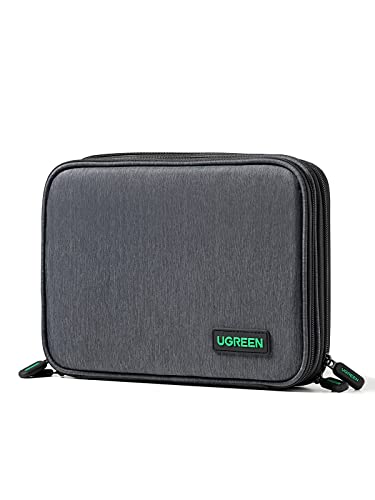
- Padded cosmetic case with brush slots: protects compacts, brushes and glass items from crushing in a suitcase. View on Amazon
- Quart-size clear zip bags: the standard liquids bag for airport security, and useful for sealing leak-prone products in checked luggage. View on Amazon
FAQ
What counts as beauty works travel essentials?
They are the core grooming and makeup items you use daily, sized and formatted for travel. Typical examples include cleanser, sunscreen, deodorant, a basic makeup kit, a toothbrush and a few styling tools.
Can I bring liquid makeup in my carry-on?
Yes, if each container is 3.4 ounces or less and all fit in one clear quart-size bag. Confirm current rules with the TSA and your airline before you travel.
Do I need to pack shampoo if my hotel provides it?
Not always, but hotel supplies vary. Many properties offer shampoo and soap but not conditioner, face wash or styling products, so pack what you specifically use.
Are solid shampoo bars good for travel?
They are a popular option because they avoid liquid limits and leak risk. Results depend on your hair type, so test one at home before relying on it on a trip.
How much sunscreen should I pack?
Pack enough for daily use plus a buffer for reapplication on beach or outdoor days. Check the product label for reapplication guidance, and buy more at your destination if you run low.
Should I pack beauty products in checked or carry-on luggage?
Put items you cannot replace, prescription medications and anything that must stay within liquid limits in your carry-on. Put larger, sealed, non-restricted items in checked luggage.
How do I keep makeup from melting in hot weather?
Choose oil-free and long-wear formulas, set your base with powder, and store products in a cool place out of direct sun. Cream products soften fastest, so consider powder or stick alternatives.
Who should I ask about skincare or medical concerns on a trip?
For skin conditions, allergies or medication questions, consult a dermatologist, pharmacist or doctor before you travel, especially if you are pregnant or have a medical condition.
Conclusion
Strong beauty works travel essentials come down to three decisions: pick the core categories you truly use, choose formats that meet airline rules, and organize everything so it is easy to reach and protected in transit. Start from your trip length and destination, then build a reusable kit you can top off before each departure. Review and refresh your kit twice a year to keep products fresh and your packing faster.
Related reading
- Work Travel Essentials Woman: 10 Items to Pack for Any Business Trip
- Work Travel Essentials Reddit: 10 Items Frequent Business Travelers Pack
- Travel Accessories for Businessmen: 9 Essentials for Work Trips (2026)
Ready to choose one?
About Caleb Morgan
Caleb Morgan is part of our editorial team and reviews and edits our travel essentials & packing lists guides, checking product details against manufacturer specifications and owner feedback.