Long flights can be physically draining, but you can significantly improve your comfort with a few intentional strategies. This guide covers practical techniques—from seat selection and compression wear to hydration, in-flight movement, sleep preparation, ear pressure relief, and adjusting to new time zones—so that you arrive feeling rested and ready. For a complete list of items to bring, see the Long Flight Essentials.
Pre‑flight Preparation: Seat Choice and What to Wear
Choosing a Seat
Your seat has a major impact on comfort. If you want extra legroom, consider a bulkhead seat or an exit row (make sure you meet the airline’s requirements to sit in an exit row). Aisle seats allow you to stand up and stretch without disturbing others, while window seats let you lean against the fuselage and control the window shade for sleep. Review the airline’s seating chart and pay attention to seat pitch and width—many airlines provide these numbers on their website.
Dressing for the Cabin
Airplane cabins are often cool and become colder during the flight. Dress in layers: start with a breathable base layer (cotton or synthetic), add a mid-layer like a fleece or sweater, and top with a lightweight jacket or cardigan. Loose-fitting pants and slip-on shoes make it easy to remove footwear when you want to elevate your feet on your carry-on bag. For long flights, consider wearing compression socks – they can help improve circulation and reduce leg swelling. If you have any risk factors for blood clots (such as a history of deep vein thrombosis, cancer, or recent surgery), talk to your doctor before using compression garments; they can advise the appropriate pressure level and how long to wear them during the flight.
Hydration and Managing Dry Cabin Air
Cabin humidity can drop to very low levels, which dries out your skin, lips, eyes, and sinuses. Dehydration also contributes to fatigue and jet lag.
- Drink water regularly – Aim to drink a glass of water every hour or so. Bring an empty water bottle through security and fill it after the checkpoint.
- Limit alcohol and caffeine – Both have diuretic effects that worsen dehydration. A single drink might feel relaxing, but it can disrupt sleep and increase water loss. Stick to water or herbal tea.
- Moisturize your skin – Apply a light moisturizer or facial mist before and during the flight. Use lip balm to prevent chapped lips.
- Use a saline spray – A dry nasal passage can lead to discomfort and increase susceptibility to germs. A non‑medicated saline spray helps keep your nose moist.
In‑Flight Movement and Circulation
Prolonged sitting raises the risk of deep vein thrombosis (DVT). The Centers for Disease Control and Prevention (CDC) advises travelers on long flights to move their legs often and walk around when it is safe. Check the CDC’s travel and DVT page for official guidance, and always follow the advice of your healthcare provider if you have personal risk factors.
Simple exercises in your seat
- Ankle rotations – Lift your feet slightly and rotate each ankle clockwise and counterclockwise.
- Heel and toe raises – Press your heels down while lifting your toes, then press your toes down while lifting your heels.
- Knee lifts – Slowly lift one knee toward your chest, hold a few seconds, then lower. Repeat with the other leg.
- Shoulder rolls and neck stretches – Roll your shoulders backward and forward, and gently tilt your ear toward your shoulder to release neck tension.
Every hour, get up and walk the aisle (if safe and not during turbulence). Standing and stretching near your seat, even for a minute, helps blood flow.
Sleep Strategies for a Long Flight
Sleeping upright on a plane is challenging, but you can create conditions that encourage rest.
Support your head and neck
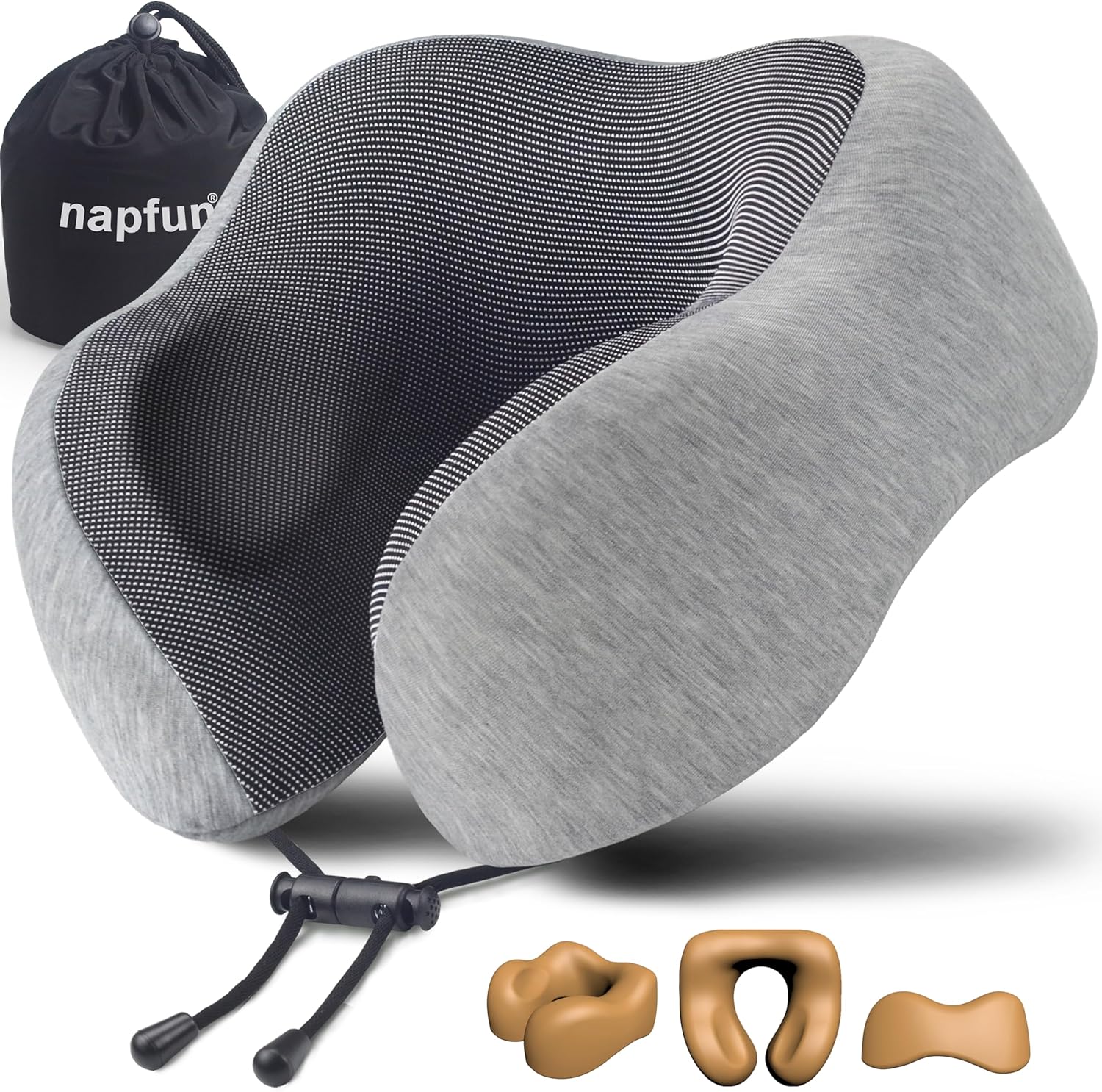
A travel neck pillow provides cushioning and prevents your head from drooping. For side sleepers, a U‑shaped pillow works well. Some people prefer an inflatable neck pillow because it packs small. Use a small lumbar support or a rolled sweater behind your lower back to maintain a neutral spine.
Block light
Use a sleep mask that fits snugly without pressure. An eye mask can be the difference between dozing off and staying awake. If you prefer, darken the window shade and avoid looking at bright screens before you want to sleep.
Control noise
Earplugs or noise‑canceling headphones reduce the constant engine drone and cabin chatter. For true quiet, consider foam earplugs designed for sleep.
Use a smart sleep routine
Dim overhead lights when possible, set your watch to your destination time, and create a mini‑wind‑down ritual: change into comfortable socks, use a travel blanket or scarf for warmth, and listen to calm music or a podcast. Avoid caffeine within six hours of your intended sleep window.
Ear Pressure During Descent
As the plane descends, cabin pressure changes can cause painful ear blockage. This happens because the eustachian tubes struggle to equalize pressure.
- Yawn or swallow – Open your mouth wide as if yawning, or swallow repeatedly. Chewing gum or sucking on a hard candy can help.
- The Valsalva maneuver – Pinch your nostrils shut, close your mouth, and gently blow through your nose. Stop as soon as you feel the ears pop.
- Special earplugs – Products such as pressure‑regulating earplugs can slow the rate of pressure change. Follow the manufacturer’s instructions for insertion and timing.
If you have a cold, allergy, or sinus infection, ear pressure may be more painful. Consider using a decongestant spray or oral medication before descent, but always consult a doctor or pharmacist for advice on what is safe for you. If pain persists, ask a flight attendant if there is a warm, damp towel you can hold over your ear (never place hot objects directly on skin).
Adjusting to Time Zones
Jet lag occurs when your internal body clock is out of sync with the destination’s local time. You can minimize it with a few strategies.
Before the flight
Start shifting your sleep schedule by 30–60 minutes toward the destination’s time a few days before departure. Expose yourself to bright light in the morning if you need to wake earlier, or in the evening if you need to stay up later.
During the flight
Set your watch to destination time as soon as you board. Use light exposure strategically: when it is daytime at your destination, keep your window shade open and stay awake; when it is nighttime, use an eye mask and try to sleep. Avoid heavy meals close to your intended sleep time.
Upon arrival
Stay outdoors in natural daylight for at least 30 minutes after arriving. Exercise, even a walk, helps reset your body clock. Stick to local meal and bedtimes from day one, even if you feel tired. A short nap (no longer than 20–30 minutes) can refresh you without delaying nighttime sleep.
Common Mistakes to Avoid
- Wearing tight or restrictive clothing – Tight waistbands, skinny jeans, or shoes that don’t allow for swelling can become very uncomfortable after a few hours.
- Staying seated the whole flight – Not moving increases the risk of DVT and leads to stiff joints and back pain.
- Drinking too much alcohol – You may fall asleep faster, but the resulting dehydration and disrupted sleep cycles leave you groggier.
- Relying on sleep aids without trying them first – If you take a new medication or supplement for sleep during a flight, you might not know how it affects you. Test it at home before the trip.
- Ignoring ear pressure – Trying to “tough it out” can cause prolonged discomfort or even injury to the eardrum.
Troubleshooting Common In‑Flight Discomforts
Restless legs or cramping
If your legs feel restless or cramped, stand up and stretch your hamstrings and calves. Walking slowly down the aisle helps. Compression socks can also relieve symptoms; wear them from the start of the flight. If cramps persist, ask a flight attendant for a hot towel to apply to the area.
Bloating or gas
Cabin pressure changes cause gas to expand in your intestines. To minimize discomfort, avoid carbonated drinks and gas‑producing foods (beans, broccoli, onions) before and during the flight. Walk around to encourage passing gas, which is natural and healthy. Over‑the‑counter digestive aids, if you have used them before, may help.
Dry eyes
Contact lenses become dry and uncomfortable. Consider wearing glasses on long flights. Use rewetting drops formulated for contact lenses if you wear them; for non‑wearers, regular artificial tears are fine.
Neck stiffness from sleeping awkwardly
Repositioning your neck pillow might help. Gently stretch your neck by tilting your ear toward each shoulder and holding for 30 seconds. Apply a small heat pack (if allowed by the airline) or ask for a warm towel.
FAQ
Which seat is best for sleeping on a long‑haul flight?
Window seats are generally best because you can lean against the wall and control the window shade. Bulkhead seats offer extra legroom but may have limited storage near the floor. Exit row seats have more leg space but come with extra responsibilities and restrictions.
Should I take aspirin to prevent blood clots on a flight?
Do not take aspirin specifically for DVT prevention unless your doctor advises it. Aspirin has side effects (stomach irritation, bleeding risk) and is not recommended as a substitute for moving and staying hydrated. Walk periodically, do seated exercises, and wear compression socks if appropriate for you.
How can I relieve ear pressure if gum doesn’t work?
Try the Valsalva maneuver (gently blowing against pinched nostrils) or the Toynbee maneuver (swallowing while pinching your nostrils). Inflatable earplugs that regulate pressure are also available. If you have a cold, a decongestant spray may help when used before descent.
Is it safe to take melatonin for jet lag?
Melatonin supplements can help shift your sleep schedule, but they are regulated differently from medications. The best approach is to consult your doctor about timing and dosage. Many experts recommend taking low doses shortly before your intended bedtime at the destination. Light exposure is also a powerful tool—get morning light to advance your body clock or evening light to delay it.
Comfort on a long flight comes down to thoughtful preparation and small actions throughout the journey. Choose your seat with care, dress in layers, stay hydrated, move regularly, and use strategies for sleep, ear pressure, and time‑zone adjustment. For a complete packing list, visit the Long Flights page, and for more tips on staying comfortable in the air, check out In‑Flight Entertainment Ideas. Safe travels.