Flying with a toddler takes planning, but you can manage the airport and the flight with a few key decisions: what goes in your personal item, how your stroller and car seat will travel, and how you will handle security, boarding, ear pressure, and snacks. Most U.S. airlines allow gate-checking a stroller and often a car seat, and the FAA recommends using an approved car seat in its own airplane seat whenever your child has one. This guide covers the airport essentials and the current rules for gear, screening, and in-flight comfort.
What you need in your personal item
Keep the toddler’s supplies separate from adult carry-on bags so they are easy to grab during screening and on the plane. Your personal item should include:
- Diapers, wipes, a changing pad, and a few small bags for soiled diapers or wet clothes.
- At least one full change of clothes for the toddler and a spare top for yourself.
- Dry snacks such as crackers, cereal, granola bars, and small sandwiches. Fruit pouches and yogurt count as liquids at security, so keep them ready to declare.
- Bottles, a sippy cup, or a pacifier for takeoff and landing. Formula, breast milk, and juice in reasonable amounts are allowed beyond the usual limits; take them out of your bag at the checkpoint.
- A few quiet toys and a tablet with shows or music downloaded before you leave. Do not rely on in-flight Wi-Fi.
- A small blanket, lovey, or stuffed animal your toddler uses for comfort.
- A compact health kit with bandages, a digital thermometer, and children’s medicine; ask your pediatrician or pharmacist for the right dose. The CDC Pack Smart page describes the basics of a travel health kit.
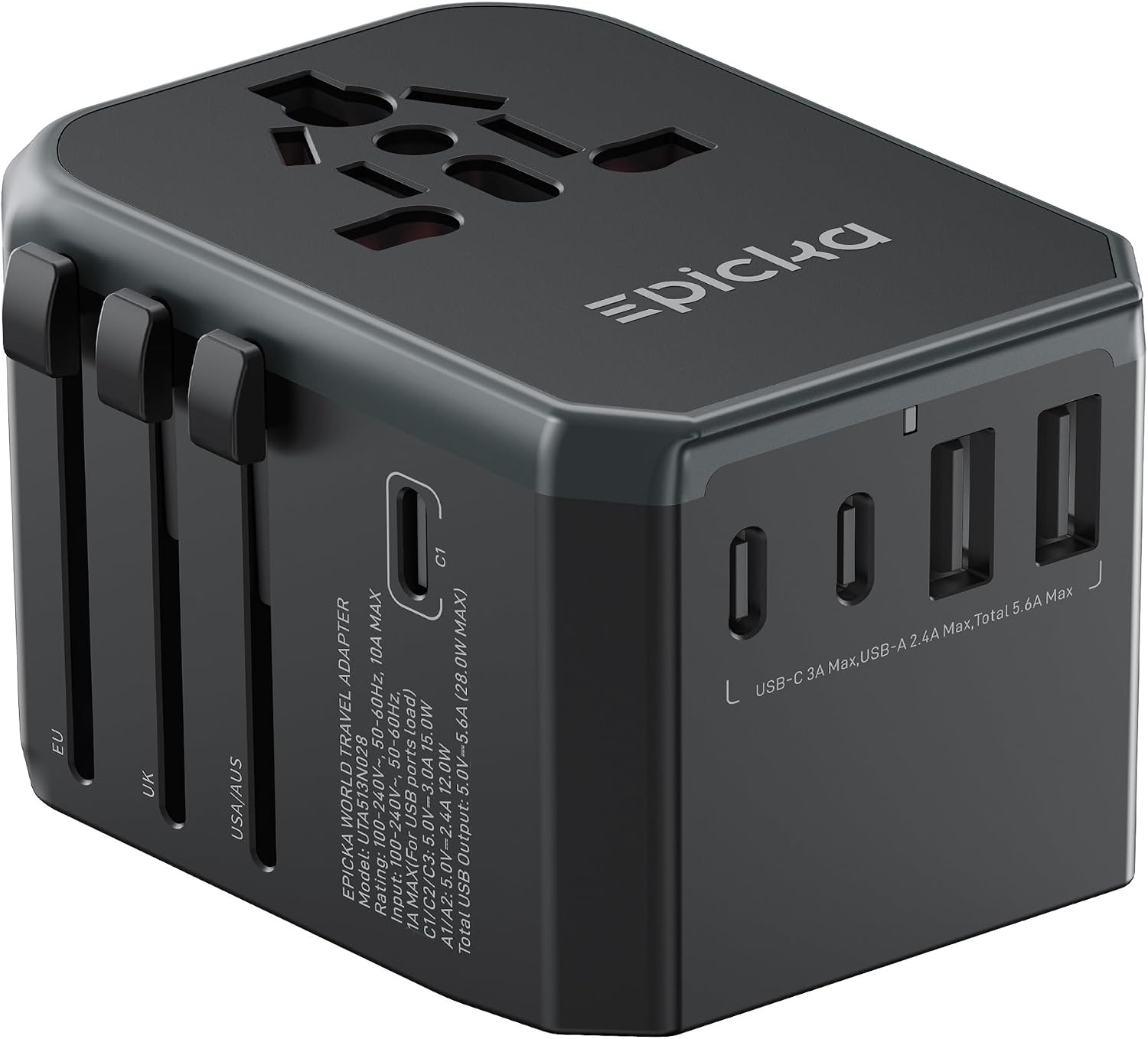
- Spare batteries and a power bank for your phone or tablet. Per the FAA, spare lithium batteries and power banks must go in carry-on luggage, not checked bags. FAA PackSafe
For a fuller family packing list, see the family airport essentials guide.
Stroller and car seat rules
Airlines treat strollers and car seats as child gear rather than ordinary checked bags. In practice, most U.S. carriers allow you to gate-check a stroller and a car seat, sometimes at no extra cost, but the allowance varies by airline and fare type. Some airlines include only a stroller in the free gate-check allowance, some include both, and some apply different rules on international flights. Always check your airline’s current policy before you depart.
Gate-checking a stroller
Gate-checking is usually the easiest way to travel through a big airport. You keep the stroller through security and the terminal, fold it at the jet bridge, and hand it to a crew member who tags it and stores it in the cargo hold. After landing, you pick it up at the jet bridge or aircraft door. Remove everything from the stroller basket and pockets before handing it over.
Gate-checking a car seat
If your toddler does not have an airplane seat, or if the car seat is too large for the cabin, gate-check the car seat so it is protected until landing. Place it in a padded bag before it is tagged. Consider protecting the seat with a car seat travel bag so the shell, harness, and straps are not damaged in the cargo hold.
Using a car seat on board
When you have purchased a seat for your toddler, you may bring an FAA-approved car seat into the cabin. Look for a label on the side stating that the seat is approved for use in motor vehicles and aircraft. The FAA recommends using an approved child restraint whenever a child has a seat of their own, instead of holding the child on your lap. Install the car seat according to the manufacturer’s instructions, do not place it in an exit row, and follow the flight crew’s direction. Some wide car seats do not fit in airplane seats; compare the spec sheet for your model with the airline’s seat information, and gate-check the seat if it does not fit.
Stroller and car seat options at a glance
| Option | When to choose it | Where it goes | What to keep in mind |
|---|---|---|---|
| Gate-checked stroller | You need the stroller in the airport and at the gate. | Hand to airline staff at the jet bridge before boarding; collect on the jet bridge after landing. | Empty the basket and pockets first. Ask for a claim tag. |
| Gate-checked car seat | You want the seat kept until boarding but do not need it in the cabin. | Tagged at the gate and stored in the cargo hold. | Use a padded bag and confirm the airline’s policy on gate-checking car seats. |
| Car seat checked at the ticket counter | You prefer not to carry the seat through security. | Given to the baggage agent before the checkpoint. | Pack it in a padded travel bag and check the airline’s child-gear allowance. |
| FAA-approved car seat on board | Your toddler has a paid seat and the seat fits. | Installed in your toddler’s airplane seat in the cabin. | Check the approval label, install it per instructions, and avoid exit rows. |
TSA screening with a toddler
At the security checkpoint, children 12 and under may keep their shoes on. TSA no longer requires most adult passengers to remove shoes at standard checkpoints, but an officer can still ask you to do so, so follow the instructions you are given. Your personal item, stroller, and any car seat go through the X-ray machine or are inspected separately, so give yourself extra time.
Formula, breast milk, and juice are exempt from the standard liquid limits when they are for your child and are in reasonable amounts. Remove them from your bag, place them in a separate bin, and tell the officer; they may need additional screening such as a swab test. Semi-solid toddler foods like yogurt, applesauce, and peanut butter also count as liquids, so keep them accessible and declare them. The TSA liquids rule explains these exceptions in detail.
For any other item you are unsure about, check the TSA What Can I Bring page before you pack. Also, remember that since May 7, 2025, adults need a REAL ID-compliant license or another accepted ID for domestic flights, so review the TSA REAL ID page for the current list of acceptable documents.
If your trip includes an international leg, each traveler, including your toddler, needs a passport, and you should review the State Department traveler’s checklist for entry rules. For safety alerts while abroad, consider enrolling in the Smart Traveler Enrollment Program.
Boarding
Take family pre-boarding when the airline offers it, and if you do not hear an announcement, ask the gate agent. Boarding early gives you time to install a car seat, arrange snacks, and settle the toddler before other passengers fill the aisle.
Before you board, check that your diaper bag or personal item holds everything you need for the flight: bottles, snacks, diapers, wipes, and entertainment. Fold the stroller, remove any loose items, and hand it to the crew at the door with the gate-check tag. If your toddler is walking, let them walk down the jet bridge, but keep a hand on them near the aircraft door.
During the flight: ear pressure, snacks, and entertainment
Ear pressure
Feeding or drinking during takeoff and landing is the most widely recommended way to help a toddler equalize ear pressure. Offer a bottle, breast, sippy cup, or pacifier as the plane begins to move for takeoff, and again when the pilot announces the start of descent. Swallowing helps open the ears, which is why a drink is more effective than a toy at this moment. For older toddlers, a straw cup works well. If your toddler has a cold or ear infection, talk to your pediatrician before the trip.
Snacks
Pack dry, low-mess snacks in a pouch or small container: crackers, cereal, granola bars, sliced fruit, and small sandwiches. Avoid whole grapes, nuts, and hard candies for young toddlers because they are choking hazards. If you bring fruit pouches, yogurt, or other semi-solids, keep them together in your bag and declare them at security. Save one drink or a pacifier for the descent so swallowing happens at the right time.
Entertainment
A small collection of quiet toys works better than a single favorite item. Try a sticker book, a magnetic drawing board, small cars or animal figures, crayons, and a coloring book. A tablet with shows or songs downloaded before you leave is a useful backup, but do not count on in-flight Wi-Fi or streaming. When the seatbelt sign is off and the crew allows it, a short walk down the aisle can help an energetic toddler settle.
Common mistakes
- Leaving the diaper bag and snacks in the stroller basket, then gate-checking the stroller and losing access to those items for the whole flight.
- Packing a power bank or spare lithium batteries in checked luggage. The FAA requires them in carry-on bags.
- Waiting until the plane is climbing to start a bottle or pacifier; begin during taxi.
- Gate-checking or checking a car seat with no padding, then finding a scratched shell or dirty harness when you land.
- Assuming every airline allows the same free gate checks; the rules differ by airline, aircraft, and fare, so check before you fly.
- Forgetting to pull formula, breast milk, or juice out of the bag at security, which slows down the checkpoint for everyone.
Troubleshooting
Your car seat does not fit the airplane seat
If the seat is too wide or too heavy, tell the gate agent before boarding and ask to gate-check it instead. You can also avoid the issue by checking the spec sheet against the airline’s seat information before you leave home.
Your toddler cries during descent
Offer a drink, pacifier, or snack right away. Swallowing often eases ear pressure. If your toddler seems uncomfortable or in pain, ask a flight attendant for help.
Your stroller is slow to return after landing
Gate-checked strollers are usually waiting on the jet bridge, but it can take a few minutes on small aircraft. Wait near the door, and if the stroller does not appear, ask a crew member before leaving the gate area.
You are traveling internationally with a car seat
Bring a passport for every traveler and keep the travel documents in a secure, easy-to-reach part of your personal item. If you want safety notifications abroad, enroll in STEP before departure, and check the State Department checklist for any additional entry requirements for your destination.
FAQ
Can I bring a car seat on the plane?
Yes, if the car seat has a label stating it is approved for use in motor vehicles and aircraft, and if you have purchased a seat for your toddler. The FAA recommends using an approved car seat whenever your child has their own seat. Avoid exit rows and confirm the airline’s policy ahead of time.
Do airlines charge to gate-check a stroller?
Most U.S. airlines gate-check strollers and car seats without an extra fee, but not all do, and the policy can depend on the aircraft and the fare. Check your airline’s official page for child gear before you fly.
Can I take formula, breast milk, and juice through security?
Yes, in reasonable quantities for your child’s trip, and these items are not subject to the usual liquid limits. Remove them from your bag and place them in a separate bin, and tell the officer they are for your toddler, as described in the TSA liquids rule.
Does a toddler need their own airplane seat?
Most airlines allow an infant or toddler to sit on a parent’s lap, but the FAA recommends buying a seat and using an approved car seat because it is the safer option. If your toddler flies on your lap, the car seat cannot be used in the cabin and must be checked instead.
Flying with a toddler is a lot of logistics, but you can manage it with a well-packed personal item, a clear plan for the stroller and car seat, and a bottle or pacifier ready for takeoff and landing. Check your airline’s current child-gear policy, review the relevant TSA pages, and give yourself extra time at the airport. For more checklists, visit the family travel essentials hub and the family travel section for trip planning guidance.