Packing for a family trip can feel overwhelming, but focusing on what you actually need makes the process manageable. This guide covers shared items like first aid supplies, wipes, snacks, chargers, and laundry bags, along with per-child packing, comfort items, entertainment, health considerations, and decisions about strollers and car seats. Use the checklist and table to stay organized, and involve the whole family to lighten the load.
Before You Start: Packing as a Team
Get everyone involved in packing. Even young children can help choose a few toys or clothes, which gives them a sense of ownership and reduces last-minute requests. For older kids, assign a small packing list of their own (with your supervision). Use color-coded packing cubes to keep each person’s items separate and easy to find. Assign a color to each family member, then let each person pack their own cube. This system makes unpacking and repacking faster, and it helps everyone locate their own things without rummaging through shared bags.
The Checklist, Grouped by Category
Shared Items
These are the supplies that benefit the whole group. Pack them in a dedicated bag or pouch so you can grab them quickly.
- First aid and health – Carry a travel first aid kit with bandages, antiseptic wipes, tweezers, pain relievers (age-appropriate), and any prescription medications. Ask your pediatrician about recommended doses for motion sickness, allergies, and fever reducers. Include a digital thermometer and a small tube of hydrocortisone cream for insect bites or rashes.
- Wipes and hand sanitizer – Bring a pack of disinfecting wipes for surfaces and a travel-size hand sanitizer for everyone. Baby wipes are useful for sticky hands, spills, and quick cleanups even if you don’t have a baby.
- Snacks – Non-perishable, mess-free snacks like granola bars, crackers, dried fruit, and single-serve nut butters. Pack enough for the trip plus extra for delays. Use reusable containers or zip-top bags to portion them out.
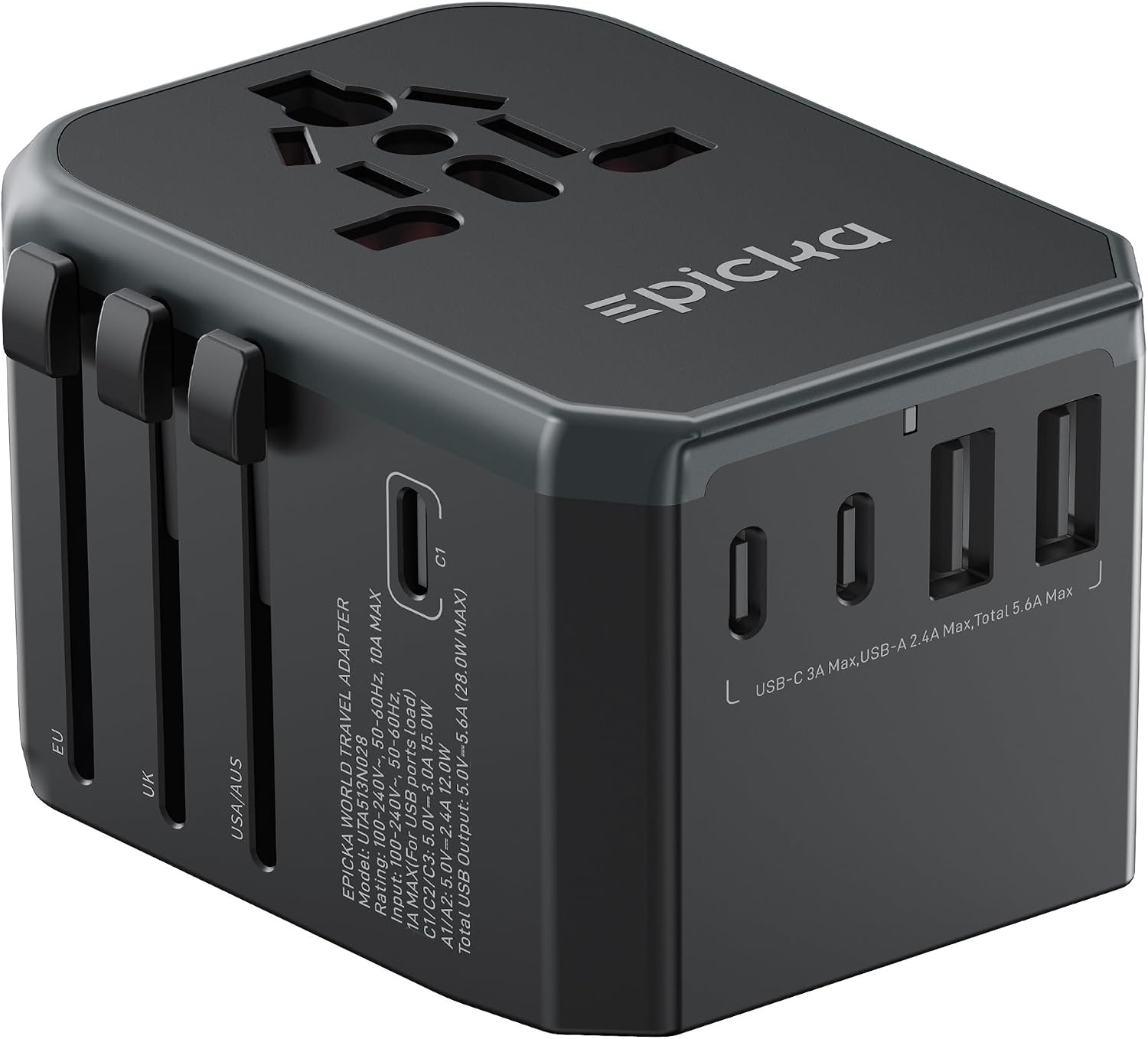
- Chargers and power – A multi-port USB charger, charging cables for each device, and a portable power bank (must go in carry-on bags, not checked luggage). Consider a short extension cord or a multi-outlet cube for crowded airport outlets.
- Laundry bag – A lightweight, reusable bag or a drawstring mesh bag for dirty clothes. This keeps clean items separate and makes laundry easier if you have access to a machine.
- Trash bags – A few small plastic bags for trash, wet clothes, or soiled diapers. They take up almost no space and solve many messes.
Per-Child Packing
Each child should have their own small bag or cube with the following essentials. Adjust based on age and needs.
- Clothes – Enough outfits for the trip plus one or two extras. Include pajamas, underwear, socks, and a light jacket or sweater. Roll items to save space.
- Toiletries – Travel-size toothbrush, toothpaste, shampoo, conditioner, and lotion. For babies: diapers, wipes, diaper cream, and a changing pad. For older kids: deodorant, lip balm, and sunscreen.
- Comfort item – A favorite stuffed animal, blanket, or pillow. If the item is irreplaceable, consider a photo of it as a backup for younger children.
- Entertainment – Small, quiet activities: coloring books and crayons, sticker books, a tablet with headphones, or a deck of cards. Avoid noisy or messy toys in shared spaces.
- Identification – For each child, carry a copy of their passport (if international) or a state ID. For younger kids, a wristband with your phone number can be helpful in crowded places.
Comfort Items for the Whole Family
Travel can be tiring, so a few comfort items make a big difference.
- Neck pillows – Inflatable or compressible pillows save space. Consider one for each person who plans to sleep on the plane or in the car.
- Eye masks and earplugs – Helpful for blocking light and noise, especially on overnight flights.
- Light blanket or scarf – Airplanes and buses can be chilly. A large pashmina or a travel blanket works for warmth and can double as a nursing cover or picnic blanket.
- Reusable water bottles – Each person should have their own bottle. Fill them after passing through security at the airport.
Entertainment and Activities
Keep boredom at bay with a mix of screen-free and digital options.
- Books – Paperbacks or an e-reader loaded with age-appropriate titles. Audiobooks are great for car trips and can be shared via a single device with headphones.
- Travel games – Magnetic board games, travel-sized card games, or simple word games like “I Spy.”
- Tablet or portable player – Load it with movies, shows, and educational apps before you leave. Bring a splitter so two kids can share one screen, or pack individual headphones.
- Surprise activity – A small new toy or activity book that you reveal mid-trip can re-energize a restless child.
Health Items (Ask Your Pediatrician)
Before any trip, consult your child’s doctor about recommended medications and vaccinations, especially for international travel. Common items to discuss:
- Motion sickness remedies – Over-the-counter options like chewable tablets or wristbands. Ask about age-appropriate doses.
- Allergy medication – Antihistamines for seasonal allergies or food allergies. If your child has a severe allergy, carry the epinephrine auto-injectors their doctor prescribed.
- Fever reducer and pain reliever – Acetaminophen or ibuprofen in age-appropriate forms. Note dosing by weight, not age.
- Diarrhea or constipation relief – Oral rehydration salts and a gentle laxative or stool softener can be useful.
- Sunscreen and insect repellent – Choose products suitable for children. Apply sunscreen 15 minutes before sun exposure and reapply as directed.
Always keep medications in their original packaging and carry a copy of the prescription if traveling internationally. Store them in your carry-on.
Stroller and Car Seat Decisions
Whether to bring a stroller and car seat depends on your destination, mode of transport, and the ages of your children.
- Strollers – An umbrella stroller is lightweight and easy to fold for travel. If you need more storage or a reclining seat, consider a compact travel stroller. Check with your airline for size and gate-check policies. Many airlines allow you to check a stroller at the gate at no extra charge.
- Car seats – For rental cars, you can often rent a car seat from the rental company, but availability and condition vary. Bringing your own ensures familiarity and proper installation. Choose a lightweight, FAA-approved model if you plan to use it on the plane. For toddlers and older children, a travel-friendly booster seat may be sufficient. Check the car seat’s expiration date and installation instructions before your trip.
If you are flying, note that spare lithium batteries (including those in power banks) must be in carry-on bags. Check the TSA and FAA websites for current rules before you travel.
What You Can Skip
Overpacking is common. Leave these items at home to save space and simplify your luggage.
- Too many shoes – One pair of comfortable walking shoes and one pair of sandals or water shoes per person is usually enough. Avoid dress shoes unless you have a formal event.
- Full-size toiletries – Travel-size bottles are sufficient for a week or less. Many hotels provide basic shampoo and soap.
- Multiple bulky toys – One small comfort item and one activity per child is plenty. Avoid large stuffed animals or electronic toys that require many batteries.
- Excessive clothing – Stick to mix-and-match outfits. You can do laundry at your destination or re-wear items that aren’t dirty.
- Printed maps and guidebooks – Use a smartphone app or download offline maps. If you prefer a physical map, take a single fold-out map for the whole family.
Quick-Reference Table
| Category | Key Items | Notes |
|---|---|---|
| Shared | First aid kit, wipes, snacks, chargers, laundry bag | Pack in a dedicated pouch; keep accessible |
| Per child | Clothes, toiletries, comfort item, entertainment, ID | Use color-coded cubes for each child |
| Comfort | Neck pillow, eye mask, blanket, water bottle | Inflatable pillows save space |
| Entertainment | Books, travel games, tablet with headphones | Include a surprise activity for mid-trip |
| Health | Age-appropriate meds, sunscreen, insect repellent | Ask pediatrician about doses and vaccines |
| Stroller & car seat | Lightweight stroller, FAA-approved car seat | Check airline policies; rental options vary |
FAQ
How many outfits should I pack per child?
Pack one outfit per day of travel plus one or two extras. For babies and toddlers, add extra onesies and pants for spills. Mix-and-match pieces reduce the total number of items needed.
Can I bring a stroller through airport security?
Yes, you can bring a stroller to the gate. You will need to fold it and send it through the X-ray machine. Most airlines allow you to gate-check it for free. Check your airline’s policy before flying.
What medications should I ask my pediatrician about?
Discuss motion sickness remedies, allergy medications, fever reducers, and any prescription refills. For international travel, ask about recommended vaccinations and malaria prophylaxis if applicable. Always carry medications in original packaging.
How do I pack for a family of four without overpacking?
Use packing cubes to assign each person a color and a limited space. Lay out everything you think you need, then remove half. Stick to versatile clothing and shared toiletries. Involve older kids in packing their own cubes to avoid duplicates.
For more detailed age-specific advice, see our Kids Travel Essentials by Age guide. And for a complete overview of family travel planning, visit our Family Travel section.
Packing for a family trip doesn’t have to be stressful. Focus on the essentials, involve everyone in the process, and use tools like color-coded cubes to stay organized. With this checklist, you’ll have what you need without the extra weight.