 By Colin Foster
Updated November 2026
An electric forest packing list works best when it is built around the festival itself: camping on a large, often muddy site, changing weather, limited power, and a schedule that runs late into the night. This guide walks you through the categories to cover, the order to pack them in, and the mistakes that tend to cause the most trouble. By the end, you will have a checklist you can tailor to your own gear and trip length.
Step 1: Confirm the Rules and Logistics First
Before you buy anything, check the official event site for current rules on what you can bring in, camping setup requirements, and any restrictions on generators, tents or large coolers. Rules and layouts change from year to year, so do not rely on a friend’s packing list from a past edition. Look up the official wristband, ticket and entry details at the same time, and confirm the camping and parking information directly with the organizers.
Shopping for one? See our guide: Packing List for Europe Summer Male: 4 Best Picks for Men (2026).
Step 2: Pack the Shelter and Sleep Gear
Camping gear takes up the most space, so decide on it early. Your core shelter kit should include:
- A tent sized one person larger than you need, with a rainfly and spare stakes
- A footprint or ground tarp to reduce moisture coming up through the floor
- A sleeping bag rated for overnight temperatures, plus a liner if nights run cold
- An insulated sleeping pad, since a cold ground pulls heat from you faster than cold air
- A headlamp with spare batteries, plus a small lantern for the campsite
- A small mallet or rubber hammer for stakes in hard ground
If you are new to festival camping, the broader approach in our Ultimate Packing List for Cruise: A Step-by-Step Checklist (2026) can help you think through how to split items across a large, multi-day trip, even though the setting is different.
Step 3: Build the Clothing and Weather Layer
Festival weather can swing from hot afternoons to cold, wet nights, sometimes in the same day. Pack in layers rather than in bulky single items:
- A lightweight base layer for daytime heat
- A warm mid layer such as a fleece for evenings
- A waterproof rain jacket and rain pants
- Sturdy closed-toe shoes that can get wet, plus a dry pair for sleeping
- Wool or synthetic socks, several pairs, because damp feet cause the most discomfort
- A hat for sun, a warm beanie for night, and sunglasses
Count your outfits by the number of days, then add one or two. Laundry is limited on most campsites.
Step 4: Plan Power, Hydration and Daily Essentials
Power is often the limiting factor at a festival. Bring a fully charged portable battery pack and enough cables to charge phones and a headlamp without relying on a campsite outlet. Keep the list short and practical:
| Category | Items to pack |
|---|---|
| Power | Portable battery pack, charging cables, spare headlamp batteries |
| Hydration | Reusable water bottle, electrolyte packets, collapsible water container |
| Hygiene | Biodegradable wipes, hand sanitizer, toothbrush, sunscreen, bug spray |
| Health | Personal medications in their original containers, basic first aid kit, blister plasters |
| Documents | Ticket or wristband confirmation, ID, camping reservation details, emergency contact card |
Medications and any health concerns should be discussed with your doctor or pharmacist before the trip.
Common mistakes to avoid
- Packing a tent without checking the rainfly and stakes are complete
- Assuming you can charge everything at camp, then running out by the second day
- Bringing only one pair of shoes, which leaves you stuck when the first pair gets soaked
- Forgetting a way to carry water around the site during the day
- Skipping a dry set of clothes for the sleeping bag
Recommended gear
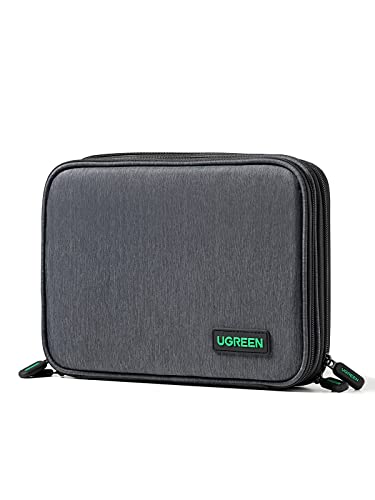
A portable battery pack keeps your phone and headlamp working when campsite power is limited, so it is one of the most useful additions to this list. View on Amazon
An insulated sleeping pad reduces heat loss to the ground, which matters more on festival campsites than most people expect. View on Amazon
A waterproof rain jacket covers the weather you are most likely to face on an outdoor festival site. View on Amazon
FAQ
Do I need to bring my own tent for this festival?
If you plan to camp on site, yes. Check the official camping information for the current rules on tent size and setup, and confirm your camping arrangement with the organizers before you travel.
How many days of clothing should I pack?
Pack one outfit per day plus one or two extras, since laundry is limited on most campsites. Plan for both hot daytime and cold nighttime temperatures.
What is the most overlooked item on an electric forest packing list?
A dry set of clothes and dry socks for sleeping is often overlooked, and it makes a big difference after a rainy day. Keeping one set sealed in a bag inside your tent helps.
Conclusion
A good electric forest packing list covers shelter, weather layers, power and daily essentials, and it should be checked against the official event rules before you leave. Pack in the order described above, and you will have most of what you need before the first night. For more checklists by trip type, see our Trip Packing List Printable: A Step-by-Step Checklist for Any Trip.
Related reading
- Work Travel Packing List: A Step-by-Step Guide for Business Trips
- Women's Packing List for Vacation: A Step-by-Step Checklist (2026)
- Women's Packing List for Europe: A Step-by-Step Guide (2026)
- Women's Packing List for 2 Weeks in Europe: A Practical Guide
- Women's Cruise Packing List: A Step-by-Step Checklist for Any Sailing
- Winter Packing List for Europe: What to Bring for Cold-Weather Trips
Ready to choose one?
About Colin Foster
Colin Foster is part of our editorial team and reviews and edits our travel essentials & packing lists guides, checking product details against manufacturer specifications and owner feedback.