 By Emily Parker
Updated November 2026
The best travel packing accessories are the small, reusable tools that keep a suitcase organized, compressed, and easy to unpack at every stop. In this guide, you will learn which categories of packing accessories are worth carrying, how to match them to your trip length and destination, and how to avoid the common mistakes that cause overpacking and wasted space. By the end, you will have a checklist you can reuse for weekend trips and multi-week journeys alike.
Why Packing Accessories Matter More Than You Think
Most packing problems come down to three things: wasted space, wrinkled clothes, and things getting lost in the bottom of a bag. Packing accessories address all three. A set of compression cubes, for example, can reduce the volume of soft clothing noticeably, and a dedicated shoe bag keeps dirty footwear from touching everything else. The goal is not to buy a pile of gadgets. It is to choose a small, purposeful kit that solves the specific problems you run into on your own trips.
Shopping for one? See our guide: 3 Best Travel Photography Accessories for Better Trip Photos (2026).
Step 1: Decide How You Will Organize Your Bag
Before you buy anything, decide on your organizing approach. Packing accessories only work well when they fit a system.
- Category packing: Tops, bottoms, underwear, and toiletries each get their own cube or pouch. This works well for trips where you change hotels often.
- Outfit packing: Each day’s outfit goes into one labeled cube or packing folder. This suits short trips with planned activities.
- Compression-first packing: You roll or fold soft items into compression bags and let the bag do the squeezing. This suits long trips with limited space.
Most travelers mix these approaches. Pick the one that matches how you actually move through a trip, then build your accessory list around it.
Step 2: Choose Your Core Organizers
For nearly any trip, the core organizers are packing cubes, a shoe bag, and a toiletry kit. Here is what to look for in each.
Packing Cubes
Packing cubes come in a range of sizes. A common setup is one large cube for bulky items like sweaters or pants, one medium cube for tops, and one small cube for underwear and socks. Mesh panels let you see contents at a glance. Zippered lids keep items from spilling out when you open the bag in a hurry. Look for cubes that stand upright inside a suitcase, since this makes it easier to pull out one item without unpacking everything.
Compression Bags
Compression bags work best for bulky, soft items such as jackets, sweatshirts, and linens. Most manufacturers specify that you should fill the bag, close the zipper partially, press out the air, then finish closing. Some versions use a roll-and-squeeze valve instead. Keep in mind that compression bags protect against wrinkles only partially, and they can make heavy items harder to find.
Shoe Bags and Shoe Sleeves
A shoe bag protects clothing from dirt and moisture. Use one for each pair of shoes, or one larger bag for two pairs. Tuck socks inside your shoes to use the space efficiently. A sealed bag is useful when you carry shoes that have been worn outdoors.
Toiletry Organizers
A hanging toiletry kit with multiple compartments keeps liquids and solids sorted. Look for a clear, zippered section for liquids and a sturdy base that stands up on a bathroom counter. If you plan to fly, check the size requirements for liquids before you pack.
Step 3: Add Accessories for Your Destination and Trip Type
Your destination and activities determine which secondary accessories are worth carrying. A beach trip calls for a waterproof dry bag and a small mesh bag for wet swimwear. A winter trip calls for a dedicated glove and hat pouch so these items do not get lost. A city trip calls for a crossbody or day bag that folds into your suitcase. For international travel, a document organizer with a clear sleeve keeps passports, boarding passes, and copies of reservations together.
If you are planning a longer journey, the guidance in Best Travel Accessories for International Flights: A Practical Guide (2026) can help you decide which items to add. For a flight-focused kit, see Best Travel Accessories for Long Flight: 9 Essentials for 10+ Hours in the Air.
Step 4: Pack the Accessories in the Right Order
How you load your organizers affects how easily you can reach things. Follow this sequence:
- Place shoes in shoe bags along the bottom or against the back panel of the suitcase.
- Put heavier packing cubes flat against the base, near the wheels, to keep weight low and stable.
- Add medium cubes for tops and layers on top of the heavier items.
- Place your toiletry kit upright in a side pocket or against a wall of the suitcase.
- Keep a small pouch for chargers, adapters, and documents in the front pocket or your personal bag.
Packing Accessories Comparison Table
| Accessory | Best Use | Trip Length | Key Feature to Check |
|---|---|---|---|
| Packing cubes | Organizing clothing by category | Any | Mesh panels and zippered lid |
| Compression bags | Reducing bulk of jackets and soft goods | Medium to long | Air valve or roll-to-compress design |
| Shoe bags | Keeping footwear separate | Any | Breathable or sealed material |
| Hanging toiletry kit | Organizing liquids and personal care | Any | Clear liquid pocket and stable base |
| Dry bag | Wet swimwear and water activities | Beach or water trips | Roll-top closure |
| Document organizer | Passports, tickets, and copies | International trips | Clear sleeve and RFID-blocking option |
Common Mistakes
- Buying too many organizers. Five cubes and four pouches can add weight and reduce usable space. Start with three or four and add more only if you find real gaps.
- Overstuffing compression bags. Forcing too much into one bag can strain the zipper and seams. Fill to about three-quarters capacity before compressing.
- Ignoring weight limits. Organizers add weight of their own. If you are close to an airline limit, weigh your bag with everything packed.
- Packing liquids in cubes without a seal. Leaks can soak clothing. Keep liquids in a sealed bag inside your toiletry kit.
- Forgetting to label. Unlabeled cubes look identical. A simple tag or color code saves time at every hotel.
Tips for Making Your Kit Last
- Empty and air out cubes and bags after every trip to prevent odors and mildew.
- Keep one permanent travel kit, with cubes and pouches stored together, so you are not hunting for accessories before each departure.
- Test your setup with a short weekend trip before committing to a long one.
- Choose colors that are easy to spot in a crowded baggage claim.
Recommended gear
These products match the organizing categories covered above. Check current listings for size and material options before you buy.
- Packing cubes: Cubes with mesh tops and zippered lids are a common choice for keeping clothing sorted. View on Amazon
- Compression bags: Roll-to-compress bags are designed to reduce bulk without a pump. View on Amazon
- Shoe bags: Drawstring shoe bags keep footwear separate from clothing and fit most suitcases. View on Amazon
FAQ
Are packing cubes worth it for a short trip?
They can be. Even for a three-day trip, one or two cubes help you keep outfits separate and find items quickly. For very short trips, a single cube may be enough.
Do compression bags damage clothing?
Used correctly, they do not. Avoid compressing delicate fabrics or items with structured shapes, since heavy compression can leave creases that do not fully release.
How many packing accessories should I bring?
Most travelers do well with three to five core organizers. Add specialty items only when your destination or activity requires them.
Can packing cubes replace a carry-on bag?
No. Cubes organize what you pack but do not provide structure or protection. They work inside a suitcase or backpack.
What size packing cube should I start with?
A medium cube is a practical starting point because it fits tops, underwear, or socks without wasting space. Add a large cube for bulky items and a small one for accessories.
How do I keep liquids from leaking in my toiletry bag?
Place each liquid in a sealed plastic bag or a bottle with a secure cap, then store it in a clear, zippered pocket. Check your airline’s rules on liquid sizes before you fly.
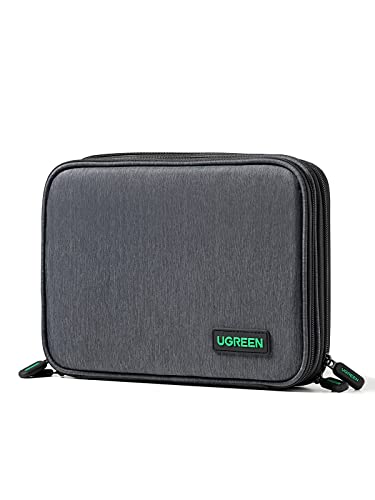
Do I need a travel organizer for electronics?
If you carry several chargers, cables, and adapters, yes. A small pouch with dividers keeps them tangle-free. If you are unsure which electronics to bring, a licensed professional or your device manufacturer’s guidance can help with battery and charging questions.
Conclusion
The best travel packing accessories are the ones that solve problems you actually face on the road. Start with packing cubes, a shoe bag, and a toiletry kit, then add specialty items for your destination. Pack in a consistent order, avoid overbuying, and keep your kit together so it is ready for the next trip.
Related reading
- Best Luxury Travel Accessories: 9 Worth Packing for Every Trip
- Women's Travel Accessories Luxury: 9 Essentials Worth Packing (2026)
- Unique Travel Accessories for Men: 9 Picks Worth Packing (2026)
- Travel Luggage and Accessories: A Step-by-Step Packing Guide (2026)
Ready to choose one?
About Emily Parker
Emily Parker is part of our editorial team and reviews and edits our travel essentials & packing lists guides, checking product details against manufacturer specifications and owner feedback.