 By Emily Parker
Updated November 2026
Packing accessories for travel are the small organizers, pouches, and fasteners that keep a suitcase or carry-on usable once you arrive. This guide walks you through choosing the right accessories for your trip, sorting them into a packing system, and avoiding the mistakes that make a bag feel chaotic by day two. By the end, you will have a short list you can pack in one pass.
Step 1: Match Accessories to Your Trip Length
Start with the trip, not the gear. A weekend trip with one carry-on needs fewer organizers than a three-week trip with a checked bag and a day pack. For trips under five days, a single packing cube and a toiletry bag usually cover everything. For longer trips, plan for separate zones so you can find items without unpacking the whole bag.
Shopping for one? See our guide: 3 Best Travel Photography Accessories for Better Trip Photos (2026).
Step 2: Choose Core Accessories by Category
Most people need accessories in four categories. Pick one or two from each, rather than buying a full set.
- Compression: packing cubes or compression sacks for clothing, which reduce bulk and keep outfits sorted.
- Toiletries: a clear, zippered bag that passes airport liquid screening without being unpacked.
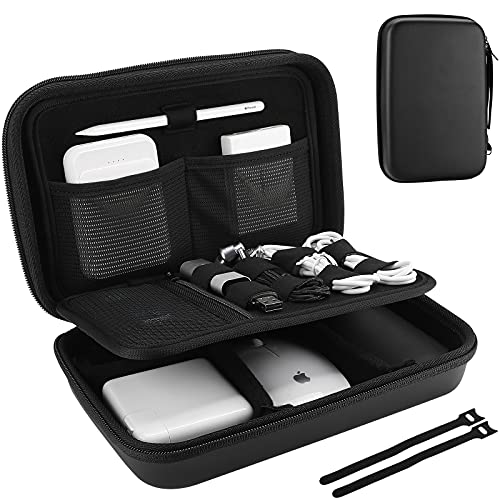
- Electronics: a small pouch for cables, adapters, and a power bank, kept together so nothing ends up at the bottom of the bag.
- Documents and valuables: a flat zippered pouch or organizer for passports, boarding passes, and cards.
Step 3: Build a Pack-Order System
Accessories work best when they follow a consistent order. Pack heavy, non-urgent items first, then clothing in cubes, then the things you will need during transit on top. Keep your documents and charging kit in an outside pocket or a separate bag you can reach without opening the main compartment.
A simple packing sequence
- Place the toiletry bag at the bottom of the bag, against the wheels or back panel, with the zipper facing up.
- Add packing cubes in order: bottoms first, then tops, then sleepwear.
- Slide the electronics pouch into the lid pocket or a side pocket.
- Put the document organizer in a jacket pocket or the front pocket of your day bag.
Step 4: Plan for Weight and Size Limits
Accessories add weight, so check your carrier’s limits before you buy a full organizer set. Many budget airlines enforce strict carry-on dimensions, and a rigid organizer can push a bag over the limit. Soft-sided cubes and mesh pouches compress better and are easier to fit into overhead bins. Weigh your packed bag on a hanging luggage scale at home to avoid surprises at check-in.
Common Mistakes to Avoid
- Buying a full matching set when you only need two or three pieces.
- Packing liquids loose, instead of in a clear bag that can be pulled out at security.
- Storing chargers in the main compartment, where they get tangled and forgotten.
- Filling every cube to the top, which makes it hard to close the bag and harder to find things.
- Skipping a dedicated document pouch, then searching through the bag at the gate.
Recommended Gear
A zippered packing cube set in two or three sizes handles most clothing needs, and a clear toiletry bag keeps liquids easy to inspect at security. View on Amazon
A compact electronics organizer keeps cables and adapters from tangling in the bottom of a carry-on. View on Amazon
A flat, zippered document wallet keeps passports and boarding passes in one place you can reach quickly. View on Amazon
If you are building a fuller kit, these related guides go deeper on specific trip types: Best Travel Packing Accessories: 9 Essentials for Every Trip (2026), Travel Luggage and Accessories: A Step-by-Step Packing Guide (2026), and Accessories Organizer for Travel: A Step-by-Step Guide to Packing Smarter.
FAQ
Do I need packing cubes if I only travel with a carry-on?
Packing cubes are still useful with a carry-on, because they separate clothing and make it easier to repack quickly. Even one or two cubes can keep a small bag organized.
Should I bring a separate bag for accessories?
A small separate bag is helpful for electronics and documents, since you can grab it at security or on the plane without opening your main luggage. Make sure it fits within your carrier’s personal item size limit.
How many accessories is too many?
If you cannot find an item within about 30 seconds of opening your bag, you probably have too many organizers or too little structure. Start with three or four pieces and add only what you actually reach for.
Conclusion
Good packing accessories for travel reduce searching, crushing, and last-minute repacking. Choose a few pieces that match your trip length, pack them in a consistent order, and check your bag’s weight before you leave. A simple system you use every time will serve you better than a large set you rarely open.
Related reading
Ready to choose one?
About Emily Parker
Emily Parker is part of our editorial team and reviews and edits our travel essentials & packing lists guides, checking product details against manufacturer specifications and owner feedback.