 By Emily Parker
Updated November 2026
Travel accessories for couples work best when they solve shared problems: one set of chargers that doesn’t turn into a tangle, a way to split toiletries without doubling everything, and a system for keeping two people’s documents and gear straight at the airport. This guide walks through how to divide the packing load, which shared accessories earn their space, and where couples commonly waste room in their bags.
Start by Splitting the Packing Load
Before you buy anything, decide who carries what. Couples who pack independently often end up with four phone chargers, two full hair dryers and three copies of the same paperback. A quick planning conversation saves weight and space.
Shopping for one? See our guide: 3 Best Travel Photography Accessories for Better Trip Photos (2026). A related read: International Travel Accessories Checklist.
Step 1: Sort items into shared and personal categories
Shared items include anything used by both people at the same time or in the same place: the first-aid kit, sunscreen, the power bank, the router-sized travel adapter, and the laundry supplies. Personal items are clothing, shoes, prescription medication, and anything with a specific fit or preference attached to one person.
Step 2: Assign one carrier per shared item
For each shared item, pick one person to carry it. Put that name on a shared packing list. This avoids the common moment at a hotel when both people assume the other one packed the adapter.
Step 3: Decide on bags before you decide on accessories
Two personal carry-ons and one shared personal item bag often works better than one large checked bag. Each person can carry their own passport, boarding pass and medication, which protects you if one bag is delayed. For more on structuring bags, see Travel Luggage and Accessories: A Step-by-Step Packing Guide (2026).
Shared Accessories That Earn Their Space
Not every couple needs every gadget. These are the categories that most often justify the weight.
- One universal travel adapter: A single adapter with multiple USB ports covers two phones, a tablet and a camera, so you don’t need one per device.
- A small power bank: Look for a unit around 10,000 mAh, which typically gives a phone two or more full charges. Check the airline’s rules on lithium batteries before you fly, since carry-on-only limits apply.
- A shared first-aid pouch: Include adhesive bandages, pain relievers, antihistamines and any prescriptions in labeled containers. Consult a pharmacist or doctor about medications and dosing for your destination.
- A document organizer: A zip pouch or passport wallet keeps both passports, printed reservations and travel insurance papers in one place.
- Compression packing cubes: Sort clothing by person or by outfit type. Color-coding helps: one color per partner makes unpacking quicker.
- A portable clothesline or laundry bag: Useful for rinsing items on longer trips and for separating worn and clean clothes.
- A lightweight daypack: A folding daypack can be shared on excursions and collapses flat when not in use.
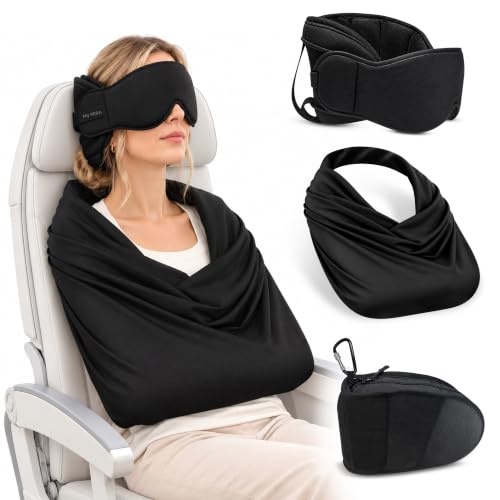
- A compact sleep kit: Earplugs and an eye mask make a real difference when couples have different sleep schedules or share a room with noise.
Personal Accessories That Still Matter
Shared gear doesn’t replace the items each person relies on. Build a personal list for each partner covering glasses or contact lens supplies, a preferred pillow or neck support, a reusable water bottle, and any medical devices. Keep these in the carry-on, not the checked bag.
Packing for different needs
If one partner runs hot and the other runs cold, a packable layer for each person is more practical than one shared jacket. If one partner needs a specific skincare routine, pack travel-size versions in a clear bag so security checks are quicker.
Organization Systems That Work for Two
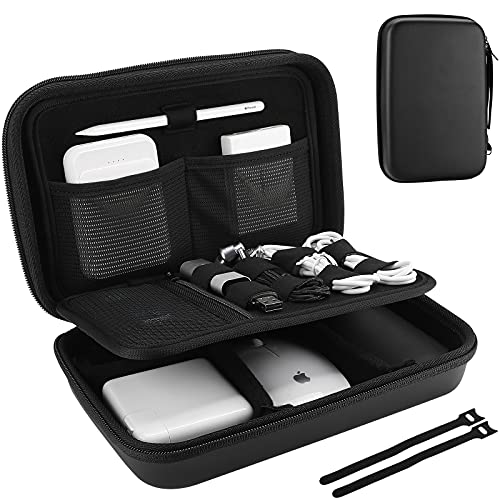
A simple system keeps two people from fighting over the same zipper pocket. Assign each partner a side of the suitcase or one packing cube per outfit category. Use a single small pouch for shared tech and cables, and keep it in the same spot every day.
| Item | Who carries it | Where it lives in the bag |
|---|---|---|
| Passports and tickets | Both (copies in each bag) | Front pocket of each carry-on |
| Power bank and adapter | Partner A | Top of daypack |
| First-aid pouch | Partner B | Outer pocket of checked bag |
| Chargers and cables | Partner A | Tech pouch, carry-on |
| Laundry bag and clothesline | Partner B | Checked bag, side pocket |
Recommended gear
- Universal travel adapter with USB ports: Covers multiple devices from one plug, so two people’s phones and a camera can charge without extra adapters. View on Amazon
- Compact power bank around 10,000 mAh: Gives each partner a backup charge for long days of navigation and photos. View on Amazon
- Packing cube set in two colors: Makes it easy to tell whose clothes are whose and keeps outfits grouped. View on Amazon
- Zip passport and document organizer: Keeps both passports and travel papers in one place, reducing the chance of a lost document. View on Amazon
Common mistakes
- Packing two of everything. Shared items should exist once unless there is a specific reason to duplicate them.
- Putting both passports in one bag. If that bag is lost or delayed, you both lose access to ID.
- Forgetting power rules for the destination. Voltage and plug type differ by country, so check before you pack a hair dryer or straightener.
- Ignoring carry-on limits for batteries. Power banks often must travel in carry-on luggage, not checked bags.
- Overpacking “just in case” items. Pack for the actual climate, length of stay and planned activities.
Tips
- Do a dry run at home. Pack both bags, then check that each partner can find their key items without asking.
- Keep a shared checklist in your phone and check items off together before leaving the hotel.
- Agree on a rule for what happens when one bag is over the weight limit. Moving items to the other bag is usually faster than unpacking.
- Pack a small set of snacks and a refillable water bottle for each person on travel days.
FAQ
Do couples really need separate carry-on bags?
Not always, but separate bags make it easier to keep documents, medications and key items accessible if one bag is delayed or misplaced. Many couples find that two smaller carry-ons are easier to manage than one large bag.
What is the single most useful shared accessory?
A universal travel adapter with multiple USB ports tends to solve the most daily problems, since most couples carry at least two phones and often a camera or tablet.
How should couples split toiletries?
Share items used by both people, such as sunscreen, insect repellent and a first-aid kit. Keep personal care products with each partner so preferences and prescriptions stay with the right person.
Should we pack a shared first-aid kit?
A small shared kit is a good idea, but include only items you both would use. Check medication rules for your destination and consult a doctor or pharmacist about prescriptions and dosing.
How do we avoid arguments about who packed what?
Write a shared list and assign one carrier per shared item. Doing a quick check before you leave the hotel or home removes most of the guesswork.
Are packing cubes worth it for two people?
They help most when each partner uses a different color or set, since it becomes easy to see whose clothes are whose. They also keep outfits grouped, which speeds up unpacking at each stop.
What should we check before buying travel accessories for a trip?
Confirm the airline’s rules for lithium batteries, the plug type and voltage at your destination, and any limits on liquids and bag sizes. Pack based on your actual itinerary rather than a generic list.
Conclusion
The best travel accessories for couples solve shared problems without duplicating gear. Split the packing load, assign one carrier per shared item, and keep essential documents and medications accessible in each carry-on. A short shared checklist and a dry run at home will do more for a smooth trip than any single gadget.
Related reading
- iPhone Camera Accessories for Travel: 9 Picks for Better Trip Photos
- Women's Travel Accessories Luxury: 9 Essentials Worth Packing (2026)
- Wandering Moon Travel Accessories: What They Are and How to Use Them
- Unique Travel Accessories for Men: 9 Picks Worth Packing (2026)
- Travel and Leisure Best Travel Accessories: 9 Essentials Worth Packing (2026)
Ready to choose one?
About Emily Parker
Emily Parker is part of our editorial team and reviews and edits our travel essentials & packing lists guides, checking product details against manufacturer specifications and owner feedback.