Planning a road trip involves more than picking a destination. A well-prepared car can make the difference between a smooth journey and a stressful one. This checklist covers the essentials: checking your vehicle, packing the right documents, building an emergency kit, planning navigation, and organizing food, comfort items, and gear for the trunk. Work through it before you leave, and you will be ready for the miles ahead.
Check the vehicle before you go
A basic vehicle inspection helps prevent breakdowns and keeps everyone safe. You do not need to be a mechanic, but you should look over a few key items a day or two before departure. If you are unsure about any of these, have a professional check the car.
- Tires: Check the pressure in all four tires, including the spare, when the tires are cold. Look for uneven wear, cracks, or bulges. Check the tread depth using the penny test: insert a penny into the tread with Lincoln’s head upside down; if you can see the top of his head, the tread is too low.
- Fluids: Top off the windshield washer fluid. Check the engine oil level and coolant level according to the owner’s manual. If any fluid is low, add the type specified in the manual.
- Battery: Look for corrosion on the terminals and ensure the battery is securely mounted. If the battery is older or has shown signs of weakness, consider having it tested.
- Lights: Turn on the headlights, taillights, brake lights, and turn signals. Have someone stand behind the car while you test the brakes and signals.
- Wipers: Replace wiper blades if they leave streaks or skip across the glass.
- Brakes: Listen for squealing or grinding when you brake. If the pedal feels soft or spongy, have the brakes inspected.
- Air conditioning and heating: Run both systems briefly to confirm they work. This matters for comfort and for defogging the windows.
If you are traveling in winter, review the winter travel essentials guide for cold-weather vehicle preparation, including antifreeze levels and an ice scraper.
Documents to keep in the car
Keep your important paperwork within easy reach, not buried in the trunk. A small folder or envelope in the glove compartment works well.
- Driver’s license and registration for every driver
- Proof of insurance and the insurance company’s contact number
- Vehicle owner’s manual
- Roadside assistance membership card, if you have one
- Health insurance cards for all travelers
- Emergency contact numbers written on paper, in case your phone dies
If you are crossing a state or national border, check the requirements for the areas you will enter. For international road trips, the State Department traveler’s checklist provides general guidance on passports, visas, and driving permits. Always check the current official page and the relevant embassy or consulate before you travel.
Build a car emergency kit
Ready.gov, FEMA’s preparedness site, recommends keeping an emergency kit in every car. The Ready.gov car safety page lists the items it suggests, such as jumper cables, flares or a reflective triangle, a car phone charger, a blanket and a map. A practical road trip kit can include:
- Jumper cables
- Flashlight with extra batteries
- First aid kit
- Reflective warning triangles or flares
- Basic tool kit (screwdrivers, pliers, adjustable wrench)
- Duct tape and zip ties for temporary repairs
- Tow strap or rope
- Glass breaker and seatbelt cutter
- Rain poncho or emergency blanket
- Non-perishable food and water for each person
- Hand sanitizer and wet wipes
- Paper towels
You can start with a ready-made car emergency kit and add items as needed. If you prefer to build your own, gather the supplies listed above and store them in a sturdy container that stays in the trunk. Check the kit twice a year and replace expired items, such as batteries and food.
For winter trips, add a shovel, ice scraper, warm blankets, gloves, and extra hats. See the winter travel essentials page for a full cold-weather packing list.
Plan navigation and offline maps
Cell service can disappear on rural highways and in mountain passes. Do not rely on a live connection for directions. Before you leave, download offline maps for your entire route, including alternate roads and the area around your destination. Most map apps allow you to download regions for offline use. Save the maps while you have a strong Wi-Fi or cellular connection.
Also consider these navigation backups:
- Write down the addresses and phone numbers of your hotels, rest stops, and emergency contacts on paper.
- Carry a physical road atlas or printed maps for the states you will cross.
- Set your destination in the navigation app before you start driving, and check for traffic or construction delays.
- If you drive in areas with no signal, learn how to use the compass and coordinates feature on your phone.
Mount your phone where you can see it without taking your hands off the wheel. A phone mount that attaches to the dashboard or windshield keeps the screen at eye level and reduces distraction. Make sure the mount does not block any airbags or your view of the road.
Pack food and water
Having snacks and drinks in the car saves money and keeps everyone comfortable, especially in remote areas with few services. Pack a reusable water bottle for each person, and bring a larger jug of water for refills. For the emergency kit, include bottled water that you replace periodically.
Choose snacks that do not melt, crush, or spoil easily. Good options include:
- Trail mix and nuts
- Granola or protein bars
- Pretzels or crackers
- Dried fruit
- Beef jerky or other shelf-stable protein
- Peanut butter or nut butter packets
- Whole fruit like apples or oranges
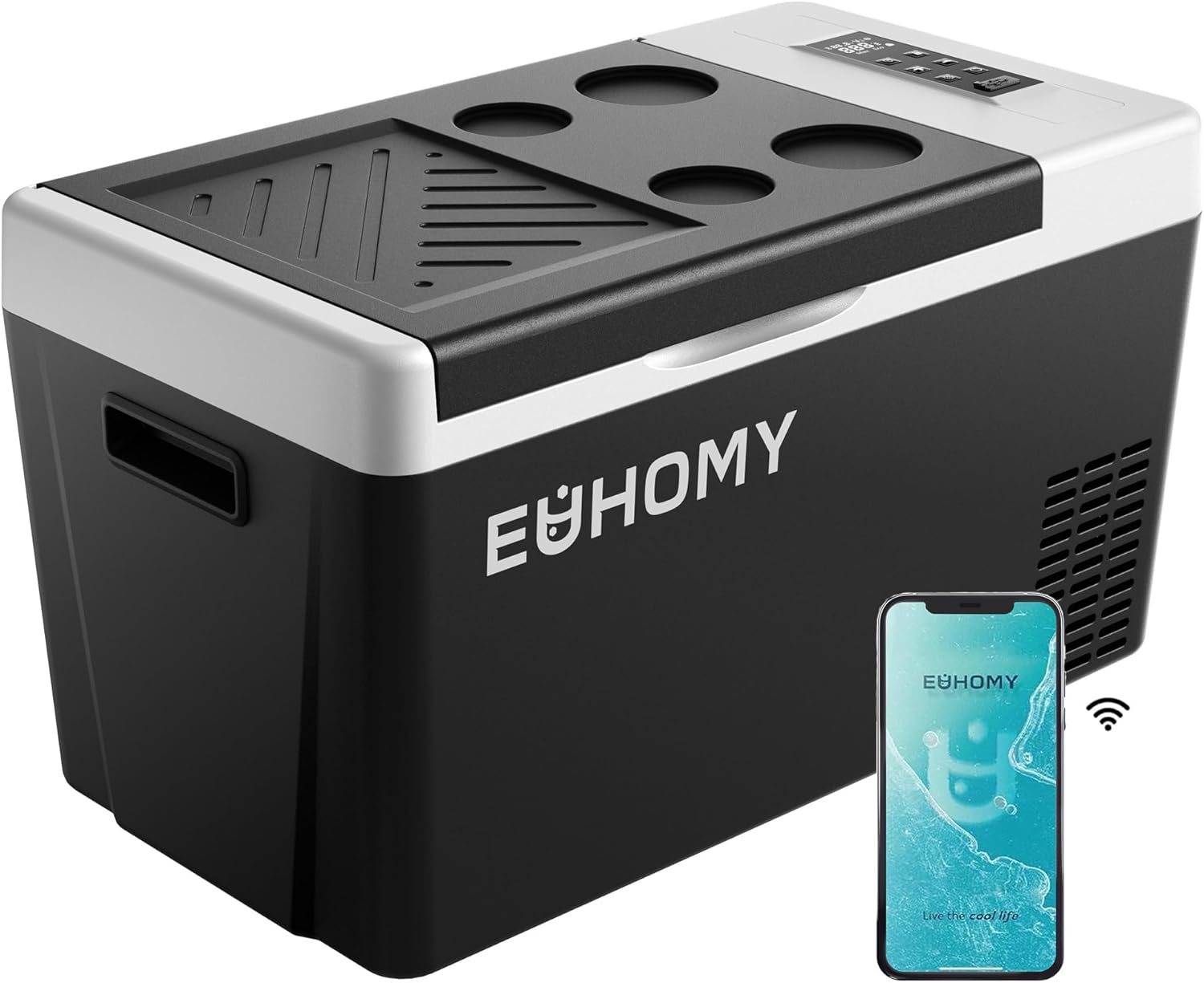
Pack a small cooler with perishable items like sandwiches, cheese, yogurt, and cut vegetables. Use ice packs to keep the cooler cold, and place it where it will not slide around. If you are crossing a border, remember that fresh fruits, vegetables, and meats may be restricted. Check the rules for the countries or states you will enter.
Make long drives more comfortable
Comfort reduces fatigue and keeps everyone in a better mood. Think about the physical needs of each passenger, especially on trips that last several hours.
- Seating: Bring a lumbar support cushion for the driver and a seat cushion for anyone who needs extra padding. Adjust headrests properly.
- Clothing: Dress in layers. The car may be warm, but temperatures can change quickly. Pack a light jacket or sweatshirt for each person.
- Sun protection: Keep sunglasses in the glove compartment and use a sunshade for the windshield when parked. Consider window shades for rear-seat passengers.
- Sleep items: A neck pillow and a small blanket help passengers rest. Stop every couple of hours to stretch and walk around.
- Noise: If road noise bothers you, bring earplugs or noise-canceling headphones.
- Motion sickness: For passengers prone to motion sickness, pack medication, ginger candies, or wristbands. Keep the car well-ventilated and avoid heavy meals before driving.
If you are traveling with children, plan for breaks. Bring a small bag with activities, books, and toys that are easy to reach from the back seat. A tablet with downloaded movies or games can help on long stretches, but remember to bring headphones so the driver is not distracted.
Keep devices charged
Phones, tablets, and other devices drain quickly during a road trip. Plan for charging before you leave.
- Bring a car charger with multiple USB ports or a 12-volt adapter that fits your vehicle.
- Pack charging cables for every device, and label them if you have several people in the car.
- Consider a portable power bank for times when the car is off, such as at a scenic overlook or during a breakdown.
- If you carry a laptop or camera, bring the appropriate chargers and store them in a small organizer.
When you stop for the night, plug in all devices so they are ready for the next day. Keep a spare cable in the glove compartment for emergencies.
Pack the trunk with a plan
An organized trunk makes it easier to find what you need without unloading everything. Use a system that keeps heavy items low and frequently used items accessible.
- Heavy items first: Place the emergency kit, tool box, and any heavy gear at the bottom, close to the back of the trunk or the rear axle. This keeps the car balanced.
- Frequently used items: Keep snacks, water, chargers, and a small bag of essentials in the cabin, not the trunk. You should not have to stop and dig through luggage for a phone charger.
- Luggage: Use soft-sided duffel bags instead of hard suitcases when possible. They fit into tight spaces and are easier to stack.
- Secure loose items: Use a cargo net, bungee cords, or a container with a lid to keep items from sliding around. Loose objects can become projectiles in a sudden stop.
- Keep the rear window clear: Do not stack items so high that they block your view out the back window.
- Leave space for souvenirs: If you plan to bring things home, leave some room in the trunk or use a roof bag for overflow.
If you are packing for a family, assign each person a small bag for the cabin. This reduces arguments over who has the snacks or the tablet. For longer trips, review the travel checklist to make sure you have not forgotten anything for the whole journey.
FAQ
What should I do if I break down on the highway?
Pull over as far to the right as possible, turn on your hazard lights, and set up reflective triangles behind the car. Stay inside the vehicle with your seatbelt on, or exit carefully if you are on a busy road and it is safe to move away. Call for roadside assistance or emergency services, and wait for help.
How often should I stop on a road trip?
A common rule of thumb is to stop every two hours or every 100 miles. Use these stops to stretch, use the restroom, and refill water. If you feel drowsy, pull over sooner and take a short nap or switch drivers.
Can I bring food and drinks through a border crossing?
Restrictions vary by country and state. Fresh fruits, vegetables, meats, and dairy products are often limited. Check the customs or agriculture website for the countries you will enter, and declare any food items when asked. When in doubt, leave perishables at home.
Do I need a paper map if I have a navigation app?
It is a good idea. Cell service can fail in remote areas, and a paper map does not run out of battery. Keep a current road atlas or state maps in the car as a backup, and learn how to read them before you go.
Preparing your car and packing with intention takes a little time, but it pays off in peace of mind. Work through this checklist before you leave, and you will be ready for the road, the unexpected, and the miles of good conversation ahead.