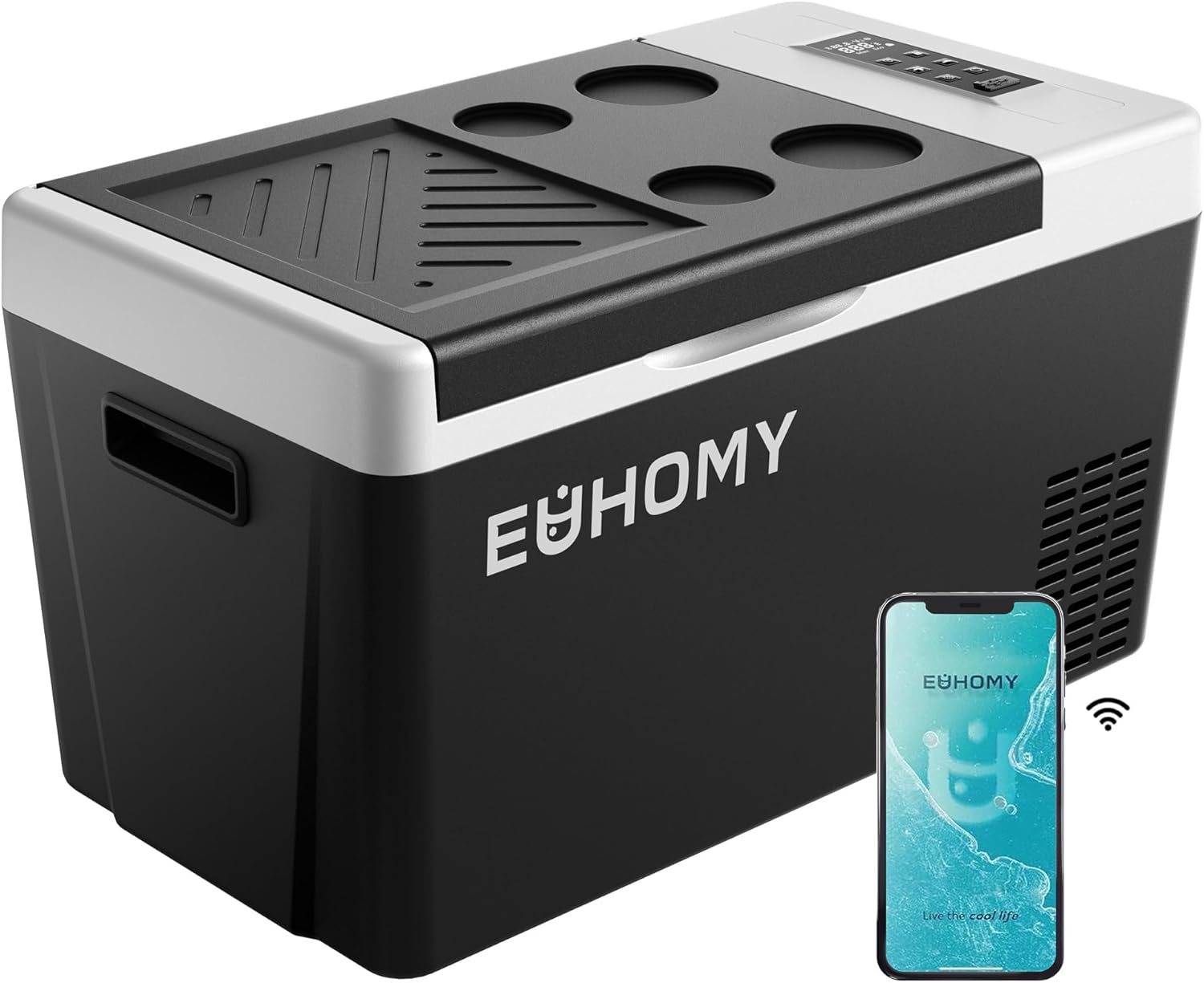
When you hit the road, having the right items in your car can turn a minor inconvenience into a manageable situation. This guide covers what to keep in your vehicle during a trip, from essential documents to seasonal gear. For a broader overview of trip preparation, check out our road trip essentials checklist. Here we focus on the durable kit that stays in the car trip after trip.
Before You Start
Before loading up, take a few minutes to inspect your vehicle. Check that your spare tire is properly inflated and that you have the jack and lug wrench. Verify that your registration and insurance cards are current and stored in an accessible place, such as the glove compartment or a dedicated organizer. If you carry an electronic proof of insurance on your phone, download a local copy in case you lose signal. Also confirm that your car’s owner manual is present so you can locate fuse boxes, fluid reservoirs, and towing points.
The Car Kit Checklist, Grouped by Category
Organize your kit by function so you can grab items quickly. Each category below lists the essentials you should keep in the car year-round, plus seasonal additions.
Documents and Identification
- Driver’s license – Always carry your physical license.
- Vehicle registration – Keep the original or a clear photocopy.
- Proof of insurance – Both a physical card and a digital backup on your phone.
- Emergency contact list – Names and phone numbers for family, your mechanic, and roadside assistance.
- Medical information card – Allergies, conditions, and medications (stored with your first aid kit).
Store these documents in a zippered pouch or the glove compartment. Avoid leaving them in plain sight to reduce the risk of theft.
Emergency Roadside Kit
A well-stocked kit can help you handle a flat tire, dead battery, or minor breakdown. You can buy a car emergency kit that includes these basics, or assemble your own:
- Jumper cables – Choose a gauge heavy enough for your vehicle type.
- Tire repair kit – Includes a tire plug kit and a portable air compressor (that plugs into the 12V outlet).
- Reflective warning triangles or flares – Place behind the vehicle if you break down on the road.
- Safety vest – High-visibility for nighttime or highway stops.
- Tow strap or recovery rope – Only if you know how to use it safely.
- Multi-tool or basic tool kit – For simple adjustments (screwdrivers, pliers, adjustable wrench).
- Duct tape and zip ties – Emergency repairs for loose trim or cracked hoses.
- Fire extinguisher – A small ABC-rated extinguisher secured in the trunk.
For additional guidance on what to include, see the official Ready.gov car safety checklist, which recommends items like a shovel, traction mats, and a blanket for winter travel.
Spare Tire and Changing Tools
- Spare tire – Check the pressure every few months and before long trips. If your car uses a donut spare, remember it is only for temporary use.
- Jack – Ensure it matches your vehicle’s weight and has a handle.
- Lug wrench – Often integrated with the jack handle; test that it fits your wheel nuts.
- Wheel chocks – To prevent the car from rolling while you change the tire on a slope.
- Flat tire sealant – Optional for sidewall punctures; follow the manufacturer instructions.
Phone Mount and Chargers
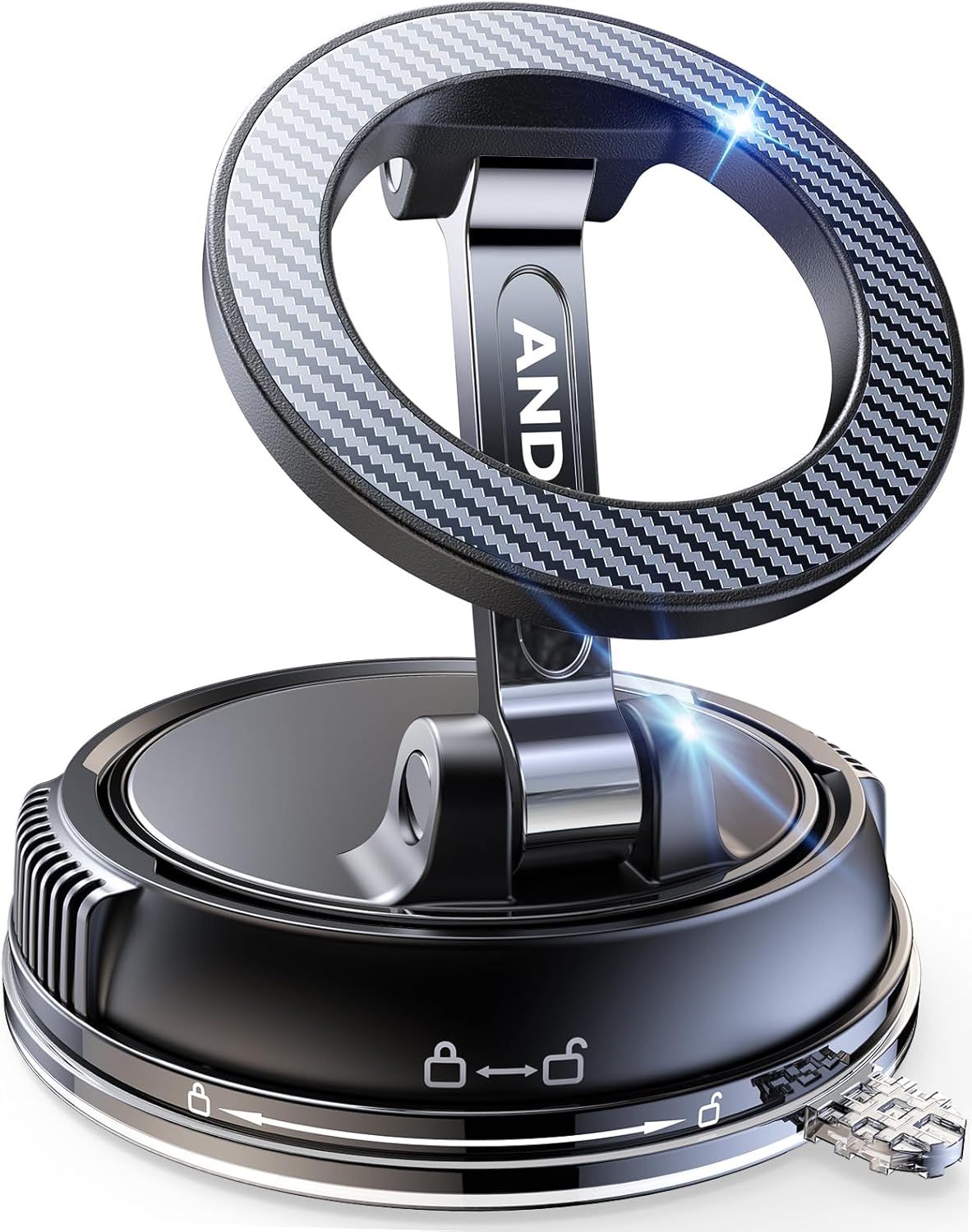
- Phone mount – Keep your phone visible for navigation without holding it. Hard-mount options attach to the dashboard or air vent.
- Car charger (USB or 12V) – A charger with multiple ports lets you charge more than one device.
- Short charging cable – Easier to manage than a long cable in the car.
- Portable power bank – A backup if the car battery dies; keep it charged and store it in the cabin (not the trunk).
Paper Map Backup
Navigation apps can fail due to lost signal, dead batteries, or map outages. Keep a current paper map of the region you are traveling through. A road atlas covering the whole country is a durable alternative. Store the map in the glove compartment or door pocket so it is easy to grab without digging through your kit.
Water, Snacks, and Comfort Items
- Water – Carry at least one gallon per person in sealed containers. Swap out the water every few months to keep it fresh.
- Non-perishable snacks – Energy bars, nuts, or dehydrated fruit. Avoid items that melt or spoil in high heat.
- Paper towels or napkins – For spills and quick cleanups.
- Disposable bags – For trash or wet items.
- Blanket or emergency mylar blanket – Especially important in cold climates.
- Sunscreen and sunglasses – For passengers and during stops.
First Aid Kit
Assemble a kit that covers minor injuries and common travel ailments. Include:
- Adhesive bandages (various sizes)
- Sterile gauze pads and medical tape
- Antiseptic wipes or hydrogen peroxide
- Antibiotic ointment
- Pain relievers and antihistamines (pack single doses if needed)
- Gloves and a CPR mask
- Instant cold pack
- Scissors and tweezers
- First aid manual or a reference card
Check expiration dates annually. For more information on health-related packing, the CDC offers a Pack Smart travel health kit page.
Flashlight and Light Sources
- Flashlight – A LED flashlight with a headlamp option leaves your hands free. Keep extra batteries separate from the device.
- Headlamp – Useful for changing a tire at night or reading a map.
- Road flares – Better than a flashlight for signaling.
- Glow sticks – cheap, non-flammable, and visible from a distance.
Seasonal Additions
Tailor your kit to the weather you expect.
Winter
- Ice scraper and snow brush
- Traction mats or cat litter (to gain grip under tires)
- Heavy-duty jumper cables (cold batteries struggle more)
- Warm blanket, hat, gloves, hand warmers
- Shovel (collapsible)
- Windshield washer fluid rated for low temperatures
Summer
- Extra water – Hydration needs increase in heat.
- Sunshade for windshield – Reduces cabin temperature.
- Emergency sun shelter or umbrella
- Insect repellant and after-bite cream
Off-Road or Remote Travel
- Full-size spare tire (if your vehicle requires it)
- Air compressor and tire deflator
- First aid kit with snakebite kit (if local snakes are dangerous)
- Satellite communicator or personal locator beacon – Do not rely on cell signal alone.
What You Can Skip
Not every product on store shelves belongs in your car. Avoid these common over-packers:
- Heavy tool sets – Most roadside jobs require only a few tools. A multi-tool and a set of jumper cables cover most needs.
- Extra clothing – A single change of clothes per person is sufficient for unexpected overnight delays; more just takes space.
- Canopy or large camping chairs – Unless you plan to camp, they add weight and reduce fuel economy.
- Unnecessary electronic gadgets – A dash cam is optional; a backup camera is standard on most newer cars.
- Fragile glass containers – They can break during hard stops or accidents. Use plastic or metal bottles for water and oil.
Quick-Reference Table
| Category | Essentials | Notes |
|---|---|---|
| Documents | License, registration, insurance, emergency contacts, medical info | Store in glove compartment; keep digital copy |
| Emergency Roadside | Jumper cables, tire repair kit, triangles, safety vest, tool kit, duct tape, fire extinguisher | Buy a pre-assembled car emergency kit or build your own |
| Spare Tire | Spare tire, jack, lug wrench, chocks | Check pressure monthly |
| Phone & Navigation | Phone mount, car charger, short cable, power bank, paper map | Keep map in easy reach |
| Hydration & Snacks | Water, non-perishable snacks, paper towels, bags, blanket, sunscreen | Rotate water every season |
| First Aid | Bandages, gauze, antiseptic, pain relievers, gloves, cold pack, scissors | Check expiration dates annually |
| Light | Flashlight, headlamp, flares, glow sticks | Extra batteries stored separately |
| Seasonal | Winter: ice scraper, shovel, traction mats, warm gear; Summer: extra water, sunshade, insect repellant | Adjust based on forecast |
FAQ
Should I keep flammable items like lighter fluid in my car?
No. Flammable liquids and compressed gases should not be stored in a vehicle unless they are part of an approved emergency kit (such as flares). High cabin temperatures can cause these items to leak or explode. Follow the manufacturer’s warning labels and store them at home.
How often should I check my car emergency kit?
Inspect your kit at the start of each season and before any long trip. Replace expired batteries, food, water, and first aid supplies. Verify that the spare tire is properly inflated and that the jack works smoothly. Also adjust the kit for the upcoming weather conditions.
Can I keep a portable power bank in the trunk?
It is better not to. Lithium-ion batteries in power banks are sensitive to the extreme heat and cold a trunk can reach, so follow the manufacturer’s storage temperature range and keep the power bank in the cabin, out of direct sun, such as in the center console.
What items are required by law in a car?
Requirements vary by state. Most states require you to carry a valid driver’s license, vehicle registration, and proof of insurance. Some states mandate a first aid kit or warning triangles in commercial vehicles. Check your state’s department of motor vehicles website for specifics. For federal travel, see the State Department’s traveler’s checklist if you are crossing borders.
Preparing a thorough car kit gives you confidence on every trip. Start with the basics from this guide, then tailor the contents to your usual routes and seasons. For more ideas on making long drives comfortable, visit our road trip comfort tips page. Safe travels.