Your carry-on bag is more than just overhead-bin luggage—it holds everything you need to stay safe, comfortable, and prepared during your flight and throughout your trip. This carry-on essentials checklist guides you through what to keep with you, from critical documents to comfort items, and explains how to organize them between your carry-on and personal item for a smooth security screening.
Documents and Valuables
Your most important items should stay on your person or in your personal item at all times. Prepare a travel document wallet or organizer for easy retrieval.
- Government-issued ID and passport. If traveling internationally, check that your passport is valid for the required duration. For U.S. citizens, review the State Department traveler’s checklist and country-specific entry requirements before you go.
- Boarding passes and itinerary. Have a digital or printed copy of your flight details and any hotel or car rental confirmations.
- Visa and vaccination records. If your destination requires a visa or proof of certain vaccinations, bring originals plus copies. For health recommendations, see the CDC Travelers’ Health page.
- Travel insurance documents. Keep copies of your policy number and emergency contact numbers.
- Cash, credit cards, and a backup card. Notify your bank of travel plans to avoid holds. Store cards separately from your wallet as a precaution.
- Phone and charger. Your phone serves as your camera, map, and communication hub. Keep a charging cable in your personal item.
- Copies of important documents. Scan or photograph your passport, visa, and ID, and save them to your phone or a cloud drive in case originals are lost.
Consider enrolling in the Smart Traveler Enrollment Program (STEP) to receive alerts and help from the nearest U.S. embassy or consulate during international travel.
Medications
Keep all medications in your carry-on bag, never in checked luggage. This includes prescription drugs, over-the-counter remedies, and any medical devices.
- Prescription medications in their original pharmacy-labeled bottles. Bring enough for your entire trip plus a few extra days in case of delays.
- Over-the-counter basics: pain relievers, antihistamines, antidiarrheal medication, motion sickness tablets, and decongestant.
- First-aid supplies: bandages, antiseptic wipes, blister treatment, and any personal items like contact lens supplies.
- Doctor’s note for controlled substances or injectable medications (such as insulin). This is especially important if you are carrying syringes or large quantities.
- Medical devices like EpiPens, inhalers, or insulin pumps. Keep them accessible; security screening procedures for medical devices may differ, so let a TSA officer know if you have a device that cannot go through the X-ray machine.
If you need to carry liquid medications in quantities larger than the standard 3.4 ounces (100 milliliters), they are allowed through security, but you must declare them to a TSA officer at the checkpoint. Have the medication in its original packaging and be prepared to present it separately.
Electronics and Spare Batteries
Spare lithium batteries and power banks must travel in your carry-on, and the FAA guidance on lithium batteries recommends keeping devices with lithium batteries with you too, because a battery problem in the cabin can be spotted and handled quickly. Follow these guidelines for a hassle-free experience:
- Laptop, tablet, and e-reader. Place these in a sleeve or section of your carry-on that is easy to remove for screening. Some airports require laptops to be taken out of the bag; others do not.
- Smartphone. Keep it charged and handy for boarding passes and entertainment.
- Power bank (external battery pack). Power banks are subject to strict rules. They must be carried in the cabin and cannot exceed a certain watt-hour rating. For a detailed explanation of size limits and what’s allowed, see our guide on power bank rules on planes.
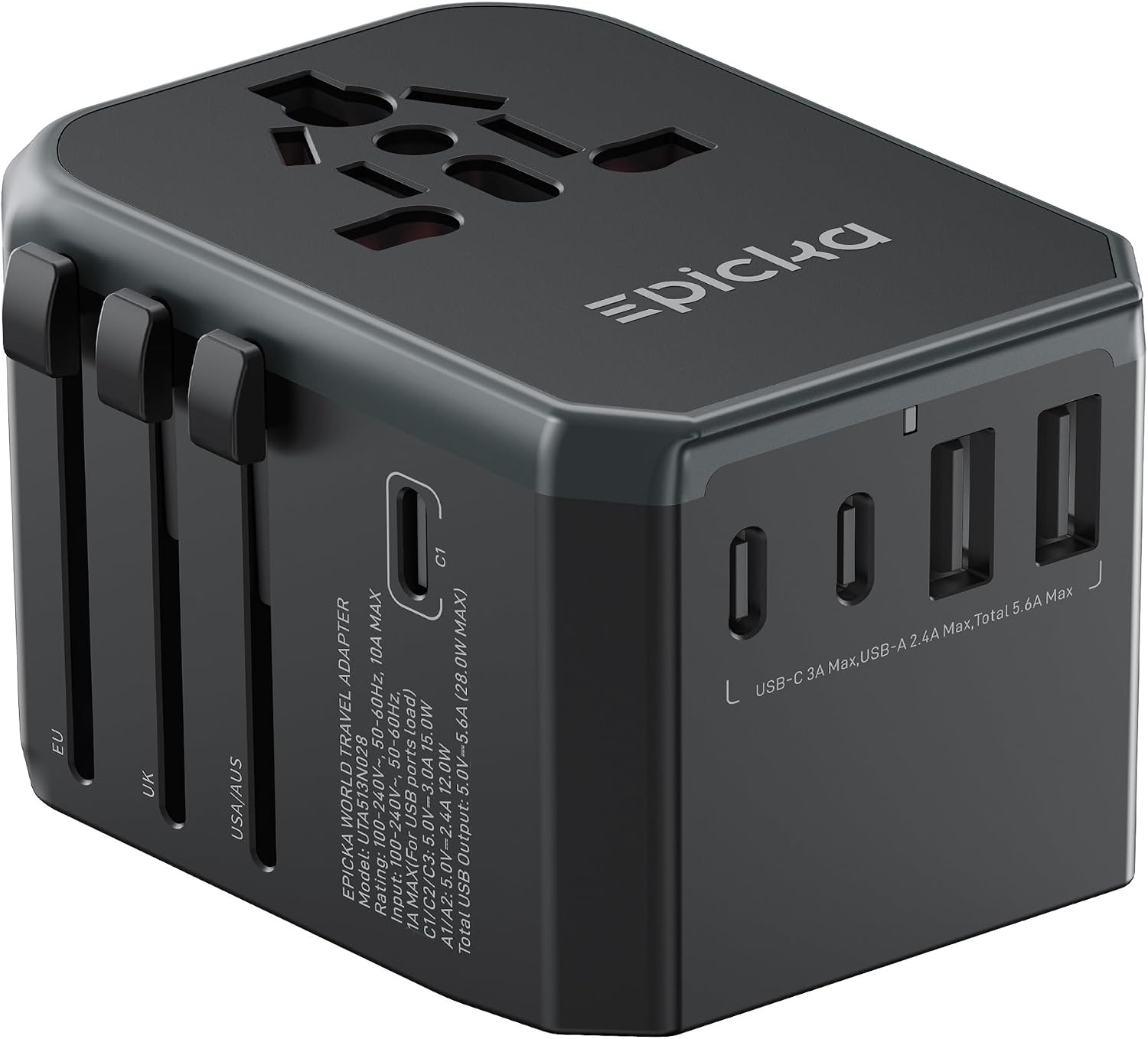
- Charging cables and adapters. Roll cables neatly and store them in a small pouch. A universal travel adapter may be necessary for international outlets.
- Headphones or earbuds. Wired or wireless—both are fine, but wireless earbuds and their charging case contain lithium batteries, so keep them with you.
- Camera or other electronics. If you carry extra camera batteries, each spare must be individually protected (tape over terminals or keep in original packaging) to prevent short circuits.
Organize your electronics in your carry-on so you can quickly pull out the devices that need to go into a separate bin at security. Check the latest advice from the TSA What Can I Bring page for any updates before you travel.
A Change of Clothes
Airlines occasionally lose checked luggage, or your trip may include an unexpected overnight delay. Pack a basic change of clothes in your carry-on to tide you over for 24 hours.
- One clean shirt or top (wrinkle-resistant fabric works well).
- Underwear and socks.
- For longer journeys, a pair of lightweight pants or shorts.
- A light jacket or sweater—useful for chilly airplane cabins or unexpected weather at your destination.
Fold these items tightly or use a packing cube to save space. A change of clothes also comes in handy if you spill food or drink during the flight.
Your Liquids Bag
The TSA liquids rule applies to all carry-on bags. Each container of liquid, gel, aerosol, cream, or paste must be 3.4 ounces (100 milliliters) or less, and all containers must fit comfortably inside one clear, quart-sized, resealable plastic bag. This bag must be removed from your carry-on and placed in a screening bin. Learn the details on our explained guide to the TSA liquids rule, and refer to the official TSA liquids rule page for the most current enforcement.
- Travel-sized toiletries: shampoo, conditioner, body wash, toothpaste, and deodorant.
- Sunscreen and insect repellent (if carrying in small sizes).
- Lip balm and hand sanitizer (check TSA’s website for the current hand sanitizer rules).
- Makeup such as foundation, mascara, and eyeliner.
If you are carrying liquid medications, breast milk, or formula for infants, those are exempt from the 3.4-ounce limit but must be declared. Keep these items in a separate bag for easy inspection.
Tip: Use the same clear bag for all flights to streamline your security routine. If you are traveling internationally, note that some countries have similar liquids restrictions.
Comfort Items
Long hours in a pressurized cabin can leave you dry, tired, and stiff. Pack comfort items that help you rest and stay refreshed. For a more complete list tailored to extended flying, read our long flight essentials guide.
- Neck pillow and a small blanket or travel wrap. A compressible pillow saves space and supports sleep.
- Eye mask and earplugs or noise-canceling headphones. Block out cabin lights and engine noise.
- Snacks. Pack non-perishable, not-too-messy items like granola bars, nuts, dried fruit, or crackers. Avoid anything that might be a security concern (gel-based snacks count as liquids).
- Empty refillable water bottle. Fill it after you pass through security. Staying hydrated helps counteract jet lag and dry air.
- Mints or gum. They keep your mouth moist and help equalize ear pressure during takeoff and landing.
- Entertainment. A book, downloaded movies or podcasts on your phone, or a travel journal.
- Skincare basics. Small tubes of moisturizer, lip balm, and eye drops (all within the liquids limit).
Personal Item Versus Carry-On
Most airlines allow one carry-on bag (stowed in the overhead bin) and one personal item (placed under the seat in front of you). How you distribute your essentials affects your comfort and your speed through security.
| Place in your personal item (under-seat) | Place in your carry-on (overhead) |
|---|---|
| Passport, wallet, phone, boarding pass | Change of clothes |
| Medications you might need mid-flight | Laptop, power bank, and larger electronics |
| Snacks, water bottle (empty, then fill after security) | Liquids bag (remove for screening) |
| Charging cables and small electronics | Toiletries that are not in the liquids bag (e.g., solid deodorant) |
| Headphones, eye mask, and comfort items | Heavier items like books or camera gear |
At security, your liquids bag must be removed from your carry-on and placed in a bin. Laptops and tablets often need to be taken out as well, depending on the airport checkpoint. If you keep your electronics in your personal item, you may need to remove them from there instead. The best strategy is to consolidate all the items that need to come out into one bag—usually your carry-on—so you only have to open one compartment. Your personal item can then stay closed if nothing in it needs to come out.
When choosing a personal item, look for a bag that fits under the seat of most aircraft. This is typically a backpack, tote, or small duffel. For comfort and organization, consider personal item bags that have multiple pockets for quick access to documents and electronics.
FAQ
Can I bring a razor in my carry-on?
Safety razors are allowed in carry-on bags only without their loose blades, which must go in checked luggage. Cartridge razors (where the blade is encased in plastic) are generally permitted. Straight razors and box cutters are prohibited. Check the TSA What Can I Bring page for the latest rules.
Can I bring food through security?
Solid food items such as sandwiches, fruit, and granola bars are allowed. However, spreadable items like peanut butter, yogurt, and jam fall under the liquids rule and must adhere to the 3.4-ounce limit in your single quart bag. Sauces and soups are also restricted as liquids.
What about liquid medications over 3.4 ounces?
They are permitted, but you must declare them to a TSA officer at the start of the screening process. Keep medications in their original packaging, and separate them from your other liquids. The officer may test them for explosives. You are not required to place them in the quart-sized bag, but they will need to be screened separately.
Do I need to take out electronics from my bag during screening?
At standard security checkpoints in the U.S., you must remove laptops and tablets larger than a smartphone from your carry-on and place them in a separate bin. Small electronics such as phones, e-readers, and compact cameras can remain inside your bag. However, the TSA may change procedures at any time, so follow guidance from officers at your checkpoint.
Packing your carry-on thoughtfully before you leave ensures you have the essentials within reach while staying compliant with security regulations. Make a checklist, review the official pages from the TSA and FAA, and always double-check your airline’s specific size and weight limits for carry-on and personal items. A little advance preparation saves time at the airport and stress during your journey.