 By Caleb Morgan
Updated November 2026
Must have business travel accessories are the small, reliable items that keep a work trip running smoothly: charging gear, document organizers, a compact laptop setup and a few comfort items for long days. This guide shows you how to choose them, how to pack them without wasting space, and which mistakes to avoid. By the end, you will have a checklist you can adapt to any trip length or destination.
Start With Your Trip Profile
Before you buy or pack anything, define what kind of business trip you are taking. A two-day client visit in one city needs a very different kit than a week of conferences with flights on either side. Ask yourself three questions: how many nights are you away, will you fly or drive, and do you need to present, take calls or work on a laptop during downtime?
Shopping for one? See our guide: 3 Best Travel Photography Accessories for Better Trip Photos (2026).
Match the Kit to the Trip Length
| Trip length | Carry-on focus | Accessory priority |
|---|---|---|
| 1–2 nights | Under 22 x 14 x 9 inches, one bag | Charger, toiletry kit, one document folder |
| 3–5 nights | Carry-on plus one personal item | Full charging setup, packing cubes, laptop sleeve |
| 6+ nights | Carry-on or checked bag | Power backup, garment bag, extra cables and adapters |
Carry-on size limits differ by airline, so check the carrier’s published dimensions before you buy a bag. Many airlines list their maximums on their official websites.
Build Your Core Charging and Connectivity Kit
Dead batteries cause more business travel problems than almost anything else. A reliable charging setup is the first category to get right.
- Pick one compact multi-port charger that supports USB-C Power Delivery. This lets you charge a phone, tablet and laptop from one brick instead of three.
- Carry a power bank rated in watt-hours. Airlines generally limit lithium batteries in carry-on bags, and many cap capacity at 100 watt-hours without special approval, so check the rating printed on the battery before you pack it.
- Use short, durable cables. A 3 to 6 foot cable is usually enough for a hotel desk or airplane seat. Keep one spare of each type you use.
- Bring a travel power adapter if you cross borders. Confirm the plug type for your destination on the official government travel site before you leave.
Keep all lithium batteries in your carry-on, not checked luggage. Airlines and the Transportation Security Administration publish current rules, and those rules change, so review them before each trip.
Cable Management Tips
- Wrap each cable with a velcro strap and label the ends with a color dot.
- Store cables in a small zippered pouch so they do not tangle with a laptop charger.
- Keep the pouch in the same pocket of your bag every trip so you never have to search.
Organize Documents, Tickets and Work Materials
Business travelers handle boarding passes, hotel confirmations, contracts and sometimes sensitive client files. A clear system keeps everything findable and reduces the chance of leaving something behind.
Choose a Document Organizer
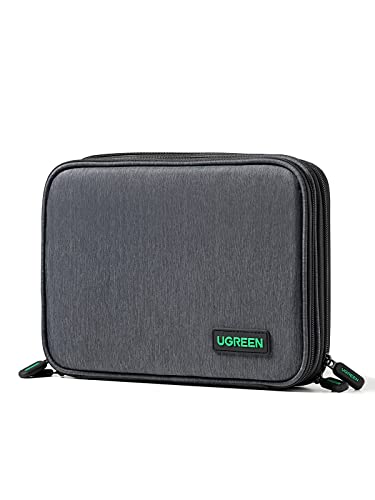
A slim folio or zippered document sleeve works well for printed agendas, business cards and receipts. Look for one with a card slot and a pen loop. If you carry a laptop, add a sleeve that fits your exact screen size, since a loose laptop inside a backpack is a common cause of damage.
Digitize Your Essentials
Save boarding passes, reservation numbers and meeting addresses in a secure app or offline folder before you leave. Download maps for your destination in case you lose data access. Keep a paper copy of your passport information separate from the passport itself.
Pack Clothing and Toiletries Efficiently
Packing cubes let you divide clothing into categories and compress it without wrinkling shirts. Use one cube for shirts, one for bottoms and one for underwear and socks. A garment bag or a hanging toiletry kit keeps a suit or dress pressed for meetings. Choose liquids in travel-size containers under 3.4 ounces each if you are carrying them through airport security, and store them in a clear quart-size bag.
Add Comfort Items for Long Days
Business days are long, and a few small comforts make a real difference. A neck pillow or eye mask helps on red-eye flights. Noise-isolating earbuds or over-ear headphones block cabin noise during calls and rest periods. A refillable water bottle, sized to fit your bag’s side pocket, keeps you hydrated without buying plastic bottles at every stop.
Recommended gear
Compact USB-C chargers with multiple ports reduce the number of bricks you carry. A slim document folio keeps tickets, cards and printed notes in one place. A laptop sleeve sized to your device protects the screen during transit, and a set of packing cubes keeps clothing organized in your carry-on.
- Multi-port USB-C wall charger: lets you charge several devices from a single outlet. View on Amazon
- Slim leather-look document folio: keeps boarding passes, business cards and printed agendas organized. View on Amazon
- Laptop sleeve for your screen size: adds padding so the device is not jostled in a bag. View on Amazon
- Packing cubes set: separates clothing into compartments and helps you find items fast. View on Amazon
Common Mistakes to Avoid
- Packing for every scenario. Bring outfits that mix and match rather than one outfit per planned event.
- Relying on hotel chargers. Hotel room outlets are often limited, so bring your own multi-port option.
- Storing batteries in checked bags. Keep lithium power banks in your carry-on.
- Skipping a test run. Pack your kit a few days early and check that every cable and adapter fits.
- Forgetting your work essentials. Keep a short list of items you will need at the destination, such as presentation clicker, badge holder or business cards.
Tips for Frequent Business Travelers
Keep a dedicated travel kit that stays packed between trips, with toiletries, chargers and cables already in place. Review it after every trip and note what you actually used. Items you never touched can be removed to lighten the bag. For more focused lists, browse our guides on Work Travel Packing List: A Step-by-Step Guide for Business Trips and Accessories for Business Travel: 9 Essentials for Work Trips.
Those who travel for international work should also review Must Have International Travel Accessories: 10 Essentials to Pack (2026) before crossing borders, since adapters and documents can differ by destination.
FAQ
What are the most important must have business travel accessories?
A multi-port charger, a power bank, a document organizer and a laptop sleeve cover most needs. Add comfort items like earbuds and an eye mask for longer trips.
Do I need a travel adapter for business trips?
Only if you are traveling to a country with a different plug type. Check the official government travel site for your destination to confirm the plug and voltage standards.
Can I bring a power bank on a plane?
Power banks are generally allowed in carry-on bags but not in checked luggage. Confirm the watt-hour limits and current rules with your airline and the Transportation Security Administration before flying.
How many cables should I pack?
Bring one cable for each device you carry, plus one spare of the most-used type. Two or three total cables cover most short trips.
What size should my carry-on be?
Check the dimensions published by your airline, since limits vary. Many carriers use sizes near 22 x 14 x 9 inches, but confirm before you buy.
Should I pack a backup copy of documents?
Yes. Store digital copies in a secure location and keep paper copies separate from originals. This helps if a wallet or bag is lost.
How do I keep my work files secure while traveling?
Use a password-protected device, enable encryption, avoid public Wi-Fi for sensitive work, and consult your company’s IT policy for specific requirements. Professional IT guidance is recommended for regulated industries.
Conclusion
Must have business travel accessories work best when they match your trip length and workflow. Start with a reliable charging setup, organize your documents and add a few comfort items. Test your kit before departure, and refine it after each trip until it fits your routine.
Related reading
Ready to choose one?
About Caleb Morgan
Caleb Morgan is part of our editorial team and reviews and edits our travel essentials & packing lists guides, checking product details against manufacturer specifications and owner feedback.