Traveling alone gives you freedom and self-reliance, but safety requires deliberate habits before and during your trip. This guide covers practical routines: sharing your itinerary with someone at home, enrolling in the Smart Traveler Enrollment Program (STEP), researching neighborhoods and arrival times, using official taxis and rideshares correctly, keeping valuables split, maintaining situational awareness without paranoia, handling alcohol safely, securing your lodging, knowing emergency numbers abroad, and trusting your instincts. Each habit helps you stay aware and prepared so you can enjoy your solo journey with confidence.
Pre-Trip Safety Habits
The foundation of solo travel safety is laid before you leave. Two key actions set the stage: communicating your plans with a trusted contact and registering your trip with the U.S. State Department.
Share Your Itinerary and Set Check-Ins
Before you depart, send your full itinerary to a friend or family member in the United States. Include flight numbers, accommodation addresses, contact details, and a rough daily plan. Agree on a regular check-in schedule—for example, a quick text or call at the same time each day. If you miss a check-in without notice, your contact knows to reach out and, if needed, contact the nearest U.S. embassy or consulate. This simple habit buys you a safety net without costing anything.
Enroll in STEP (Smart Traveler Enrollment Program)
The U.S. State Department’s Smart Traveler Enrollment Program (STEP) is free and highly recommended for any American traveling abroad. STEP lets you register your trip so the nearest embassy or consulate can contact you in an emergency—whether a natural disaster, civil unrest, or a family crisis back home. It also makes it easier for them to assist you if you lose your passport or encounter a serious problem. Enroll online before you go; you’ll receive safety alerts for your destination.
Research Neighborhoods and Arrival Times
Knowing where you’re staying and when you’ll arrive is a critical safety step. Look up the safety reputation of the neighborhood around your hotel, hostel, or rental. Use recent travel forums, official tourism sites, and State Department travel advisories to get a balanced view. Also plan your arrival time. Arriving at a destination in daylight gives you better visibility and more options if you need to change plans. If your flight lands late, arrange reliable transportation in advance and have your accommodation’s after-hours check-in procedure confirmed.
In-Destination Safety Essentials
Once you’re on the ground, daily habits help you move safely and keep your belongings secure.
Official Taxis and Rideshares: Verify the Car and Driver
When using taxi or rideshare services, always confirm the vehicle and driver before getting in. For rideshare apps, check the license plate, car make and model, and driver photo inside the app. Never accept a ride from someone who claims to be your driver but asks you to cancel the app booking. For official taxis, use designated taxi stands at airports and train stations. Look for a meter, a visible license, and a company logo. If anything feels off, step back and request another ride. You can also carry TSA-compliant items like a small flashlight to help verify details in the dark.
Consider carrying a personal safety alarm on your keychain or bag. It can draw attention if you feel threatened, without requiring physical contact. That small addition is a simple non-violent deterrent.
Keep Valuables Split
Never carry all your valuables in one place. Split your cash, cards, and identification across at least two locations: a front pocket or money belt for daily spending, and a hidden pouch or locked bag for backup. For example, keep your primary credit card and some cash in a zippered pocket, and store your passport, a second card, and emergency cash in a separate secure spot inside your luggage or room safe. This way, if you are pickpocketed or lose one item, you’re not stranded. For more guidance on avoiding theft, refer to our full solo travel safety guide that includes pickpocket awareness.
Situational Awareness Without Paranoia
Stay aware of your surroundings without letting fear dominate your trip. Simple habits: put your phone away while walking, especially at crosswalks or in crowded areas. Notice who is nearby, but avoid staring or acting nervous. Keep your bag zipped and in front of you in crowds. When using public transit, sit near the driver or in a busy car. If you feel uncomfortable in a place, trust that feeling and move to a more public or well-lit area. The goal is calm attentiveness, not constant anxiety.
Lodging and Situational Awareness
Your accommodation is your home base. Security starts before you book and continues each night.
Choose Lodging Wisely
Look for accommodations with 24-hour front desk service, well-lit entrances, and solid locks on doors and windows. Read recent guest reviews that mention safety, not just comfort. If you’re staying in a shared space like a hostel, choose one that offers lockers or secure storage for valuables. Avoid ground-floor rooms with easy window access unless the windows are secured.
Secure Your Room
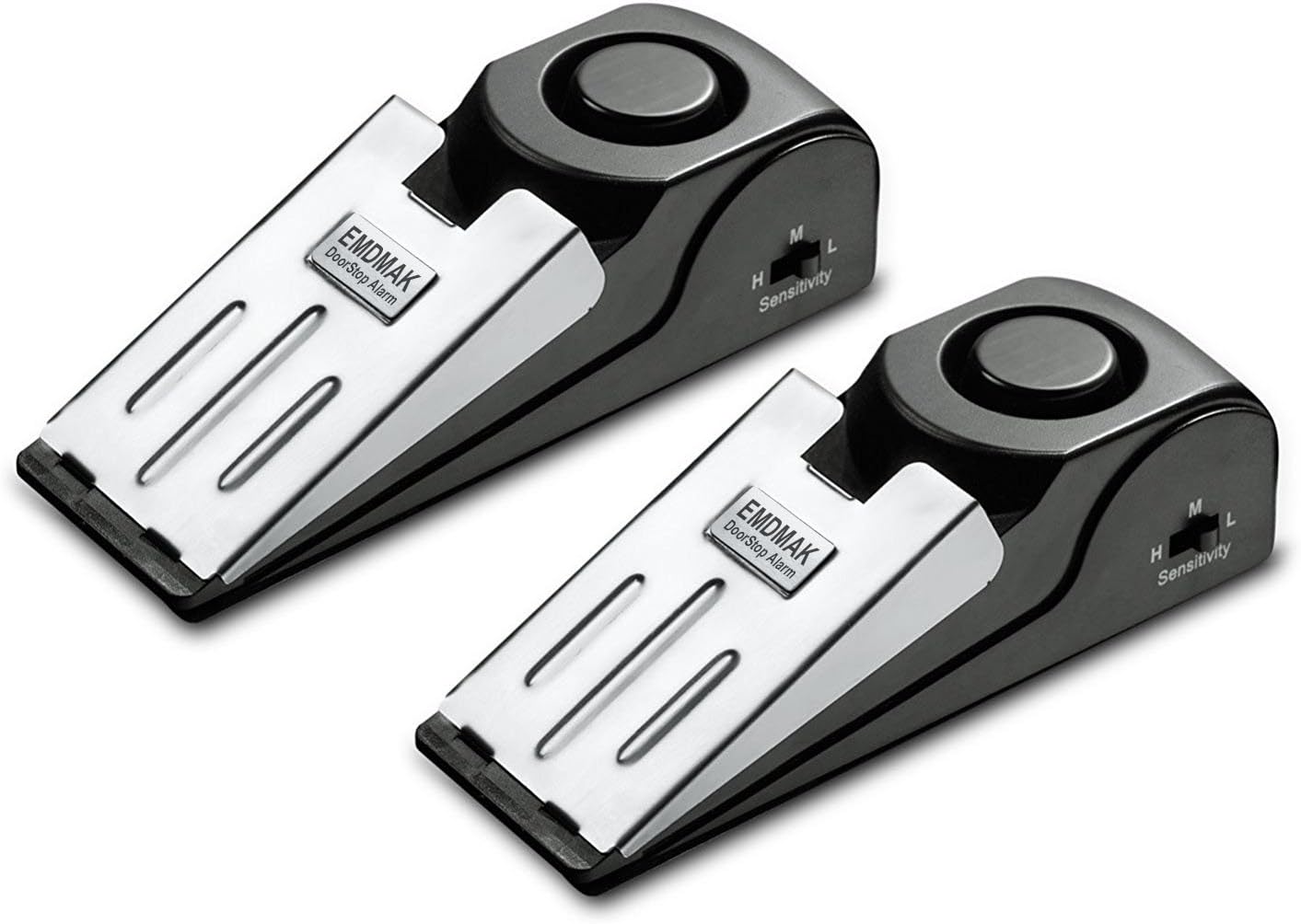
Once inside, use all available locks: deadbolt, chain, and any secondary lock. Wedge a doorstop under the door for extra security (a simple rubber wedge fits in any bag). Keep the do not disturb sign on the door when you go out. Never open the door without verifying who it is—call the front desk if you’re unsure. If your room has a safe, use it for your passport, backup cards, and cash. For additional peace of mind, carry a portable door alarm that emits a loud sound when the door opens.
Trust Your Instincts About the Space
If the neighborhood feels sketchy at night or the building seems poorly maintained, you are allowed to change accommodations. Your instincts are a valid safety tool. Plan an evening route back to your lodging that uses main streets with good lighting.
Emergency Preparedness
Knowing what to do in an emergency is not about planning for disaster—it’s about having simple information at your fingertips.
Emergency Numbers: 112 in the EU and Beyond
Every country uses different emergency numbers. The European Union, plus many other countries, uses 112 for police, ambulance, and fire. In the United Kingdom it’s 999, in Australia it’s 000, and in many other places 911 works. Before you travel, look up the local emergency numbers for each destination. Save them in your phone under “emergency” and also write them down in a small card that stays with your passport. For a complete list, check the State Department’s traveler’s checklist for your country.
Carry Essential Health Items
Follow the CDC’s advice on packing a travel health kit. Bring any prescription medications in original containers, plus a basic first-aid kit. For details see the CDC Pack Smart page. Remember that spare lithium batteries (like those for phone chargers and power banks) must go in your carry‑on bag per FAA regulations. Never put them in checked luggage.
Identity Documents and Copies
Make physical and digital copies of your passport, visa, driver’s license, and any travel insurance documents. Leave one set with your emergency contact at home. Carry another set separate from the originals, and store a digital copy in a secure cloud service or password-protected file on your phone. If your passport is lost or stolen, copies speed up replacement at the embassy.
Drink and Social Safety
Socializing while solo is one of the joys of travel, but it requires careful boundaries.
Alcohol and Drink Safety
Never accept a drink from someone you don’t fully trust. Only accept drinks that you watch being poured and that are handed directly to you by a bartender or server. Keep your drink in your hand and never leave it unattended. If you set it down and lose sight of it, get a new one. Limit your alcohol intake to stay in control of your surroundings and decisions. A good rule: pace yourself with a glass of water between alcoholic drinks.
Trusting Your Instincts in Social Situations
Your gut feeling is your strongest safety tool. If a person, conversation, or situation makes you uncomfortable, you don’t need a logical reason to leave. Excuse yourself politely and move to a crowded area or back to your accommodation. It’s better to seem rude than to ignore a red flag. This instinct applies to everyone, not just strangers—even a fellow traveler who pushes your boundaries.
Common Mistakes to Avoid
Solo travelers often overlook certain details that can compromise safety. Here are frequent pitfalls and how to sidestep them.
- Assuming a neighborhood is safe because it looks touristy. Even popular areas can have pockets of crime. Always research specific streets and read recent reviews.
- Posting real-time location on social media. Save your photos and updates for after you’ve left a place. Broadcasting your exact location in real time tells people you’re not home.
- Overpacking or carrying too many bags. A heavy load makes you a slower target and increases the chance of dropping something. Pack light so you can move quickly and keep your hands free.
- Ignoring airline and TSA rules about batteries and liquids. Check TSA liquids rule and REAL ID requirements before you go. Remember, REAL ID is now required for domestic flights (since May 7, 2025).
- Not telling anyone your plans for day hikes or excursions. Even a short walk should be shared with someone at home. Use a check-in system. Sign in at trail heads if the park offers it.
FAQ
Should I share my exact location with friends while traveling solo?
Yes, but with care. Share your accommodation address, itinerary, and a check-in schedule with one trusted person. Avoid posting real-time location on social media. Use a location-sharing app that only your contact can see, and turn it off when you don’t need it.
What is the most important safety habit for solo travel?
Staying aware without being fearful. That means keeping your phone away when walking, scanning your surroundings, and trusting your instincts. Combined with sharing your itinerary and knowing emergency numbers, these habits cover most situations.
Is it safe to take rideshares alone at night?
Rideshares are generally safe if you verify the car and driver through the app. Always check the license plate, car model, and driver photo before getting in. Sit in the back seat, share your trip status with a friend, and trust your gut—cancel if anything feels off.
How do I handle cash and cards safely while traveling solo?
Never keep everything in one place. Use a money belt or hidden pouch for your main funds, and carry only the day’s cash in a front pocket. Keep backup cards and passport in a secure spot at your lodging. Use hotel safe if available. For more on theft prevention, see our solo travel essentials overview.
Solo travel safety is built from small, consistent habits. By planning ahead, staying aware, and trusting yourself, you can enjoy the freedom of solo exploration while keeping risks low. Review these habits before each trip, adjust them for your destination, and remember that your readiness is your best protection.