Getting quality sleep while traveling can be the difference between a refreshed arrival and a days-long recovery. Whether you are on a long-haul flight, a train ride, or staying in an unfamiliar hotel room, the same core challenges apply: light, noise, temperature, and your body’s internal clock. This guide covers practical, evidence-based strategies for sleeping in transit and in hotel rooms, including how to adjust to a new time zone and what to know about caffeine, alcohol, and sleep aids.
Sleeping on a Plane
Flying presents unique obstacles: cramped seats, cabin pressure, dry air, constant noise, and bright cabin lights. With preparation, you can create a sleep-friendly environment even in economy class.
Choosing your seat
Seat selection is the first step. A window seat lets you lean against the wall and control the window shade, reducing light and disturbances from aisle traffic. Bulkhead rows offer extra legroom but may have limited under-seat storage and sometimes narrower armrests. Exit rows have more legroom but often have seats that do not recline. For sleeping, a standard window seat near the front of the cabin (away from galley and lavatory noise) is a reliable choice. If you are traveling with a companion, an aisle and window pair in a two-seat configuration on smaller planes can work well.
Neck pillows and support
A neck pillow helps prevent your head from dropping forward or to the side, which can wake you up. The most effective designs support the chin and keep the head upright. U-shaped pillows that are thicker in front or have a taller back are common. Inflatable pillows save space but may need adjustment. If you prefer not to use a neck pillow, a rolled-up jacket or a small travel blanket can serve as a makeshift support against the window.
Blocking light and noise
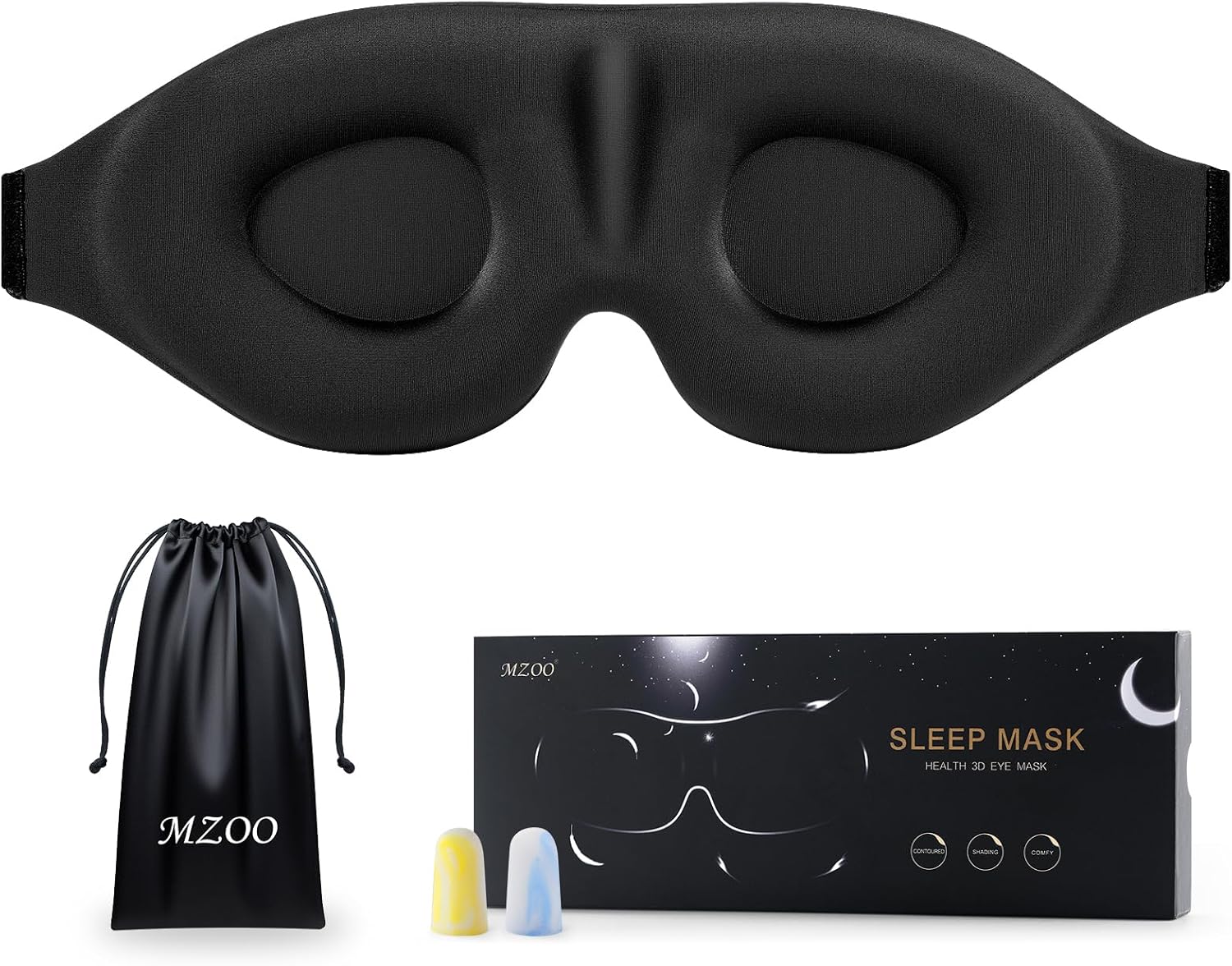
Even with the window shade down, cabin lights and sunlight from other windows can disrupt sleep. An eye mask that is contoured to avoid pressing on your eyelids is helpful. Some masks have a padded bridge that blocks light from the sides. For noise, disposable foam earplugs are inexpensive and effective. Noise-canceling headphones or earbuds are a step up, especially for reducing the low-frequency hum of engines. If you use headphones, choose over-ear models for comfort during sleep, or small in-ear buds that do not protrude.
Dress and comfort
Wear loose, layered clothing. Cabin temperatures vary, so bring a lightweight sweater or hoodie. Remove your shoes if your feet swell, but keep socks on. A small travel blanket or large scarf can serve as a blanket. Many airlines provide a pillow and blanket on long flights, but they are often thin.
Timing your sleep
If you are flying overnight, try to align your sleep with your destination’s bedtime. Set your watch to the destination time zone as soon as you board. Avoid eating a heavy meal before sleeping; a light snack is better. Stay hydrated with water, but limit fluids an hour before you plan to sleep to reduce bathroom trips.
For a complete guide to preparing for a long flight, including what to pack in your carry-on, see our Long Flight Essentials checklist.
Trains and Buses
Sleeping on trains and buses shares similarities with planes, but there are key differences in seat layout, motion, and noise levels.
Seat selection on trains
On trains, window seats again offer a surface to lean against. In many trains, seats face forward or backward; if you are prone to motion sickness, a forward-facing seat is preferable. On overnight trains with sleeper compartments, book a private cabin if possible. These have curtains or doors, a fold-down bed, and often include a pillow and blanket. If you are in a regular coach car, choose a seat away from the bathroom, doors, and the snack car.
Seat selection on buses
On long-distance buses, the front seats (behind the driver) have less engine noise and fewer bumps. Avoid seats over the wheels, which have a rougher ride. If the bus has reclining seats, test the recline before settling in. Some buses have footrests that can help you get comfortable.
Packing for land travel
The same sleep accessories you use on a plane work on trains and buses: a neck pillow, eye mask, and earplugs or headphones. Because trains and buses may have more frequent stops and announcements, a white noise app on your phone (played through headphones) can mask intermittent sounds. A small blanket or travel shawl is useful, as air conditioning can be strong.
Hotel Rooms: Light, Noise and Temperature
Hotel rooms are designed for sleep, but unfamiliar environments can keep you awake. The key is to control the three main environmental factors: light, noise, and temperature.
Blocking light
Hotel curtains vary widely. Some rooms have blackout curtains; others have sheer curtains that let in streetlight and morning sun. Before unpacking, check the curtains for gaps. Use clothespins or binder clips (pack a few in your bag) to pinch curtain panels together. If light still leaks around the edges, drape a towel over the curtain rod. An eye mask is your most reliable backup.
Minimizing noise
Hotel noise comes from hallways, adjacent rooms, plumbing, and outside traffic. Earplugs are the simplest solution. If you forget them, run a fan or the bathroom exhaust fan for white noise. Some hotels also offer white noise machines on request. You can also use a smartphone app with white noise, rain, or ocean sounds. If your room is near the elevator, ice machine, or stairwell, ask the front desk to move you to a quieter room.
Controlling temperature
Most hotel thermostats allow you to set the temperature. A common rule of thumb for sleep is to keep the room between 60 and 67 degrees Fahrenheit (15 to 19 degrees Celsius). If the thermostat is locked or unresponsive, open a window slightly if it is safe and quiet, or use the fan setting. If the room is too cold, request an extra blanket. If too warm, sleep with only a sheet and use a light blanket for your feet.
Creating a familiar sleep environment
Bring a small item from home, such as a travel-sized pillowcase or a familiar scent (like a lavender sachet). Unpack your sleep accessories and set up your side of the bed as you would at home. If you usually sleep with a certain number of pillows, ask housekeeping for extras.
Adjusting to a New Time Zone
Jet lag occurs when your internal body clock is out of sync with the local time. The main tools for resetting your clock are light exposure, timing of sleep, and melatonin (if appropriate for you).
Light exposure
Light is the strongest signal for your circadian rhythm. When you arrive at your destination, seek natural light during the day, especially in the morning. This helps shift your body clock to local time. If you arrive at night, avoid bright light, including phone and laptop screens, for at least an hour before you plan to sleep. Use a dim nightlight if you need to move around in the dark.
Timing your sleep
Try to stay awake until a reasonable local bedtime on your first day, even if you are tired. A short nap (20 to 30 minutes) early in the day can help, but avoid long naps that make it hard to fall asleep at night. If you must nap, set an alarm and keep it short. On the plane, adjust your sleep schedule toward the destination time zone as described earlier.
Melatonin and sleep timing
Melatonin is a hormone that helps regulate sleep. Some travelers use melatonin supplements to help shift their body clock. The timing matters: taking melatonin too early or too late can be counterproductive. It is usually taken a short time before the desired bedtime at your destination, and a doctor or pharmacist can advise on a suitable dose and timing. Because melatonin affects people differently, it is best to talk to a doctor before using it, especially if you have any health conditions or take other medications.
For a full list of what to pack when crossing time zones, see our International Travel Checklist.
Caffeine and Alcohol
Both caffeine and alcohol have significant effects on sleep quality, especially when traveling.
Caffeine
Caffeine blocks adenosine, a chemical that promotes sleep. Its effects can last for several hours. To protect your sleep, avoid caffeine for at least six hours before your planned bedtime. This includes coffee, tea, soda, and energy drinks. If you are traveling eastward and need to stay awake until local bedtime, a small amount of caffeine early in the day may help, but stop by early afternoon. Decaf coffee and herbal teas (like chamomile or peppermint) are better evening choices.
Alcohol
Alcohol may make you feel drowsy initially, but it disrupts the sleep cycle, particularly REM sleep. It can cause you to wake up later in the night and lead to dehydration, which worsens jet lag. If you choose to drink, do so in moderation and stop at least two hours before bed. Drink a glass of water for every alcoholic beverage. Avoid using alcohol as a sleep aid.
Sleep Aids: Ask a Doctor
Over-the-counter sleep aids and prescription medications can be tempting when you are desperate for rest, but they come with risks and side effects.
When to talk to a doctor
Before using any sleep medication for travel, consult a healthcare provider. This is especially important if you have a medical condition, take other medications, are pregnant, or have a history of sleep disorders. A doctor can help you choose a safe option and advise on timing and dosage. Some sleep aids can cause drowsiness the next day or impair coordination, which matters on a flight or before driving.
Common types of sleep aids
Melatonin is a natural hormone supplement that many travelers use, but even it should be discussed with a doctor. Antihistamines (found in some allergy and cold medications) are sometimes used as sleep aids, but they can cause grogginess and dry mouth. Prescription sleep medications are stronger and have specific instructions. Never combine sleep aids with alcohol. Always follow the manufacturer’s instructions and your doctor’s guidance.
Non-medication approaches
Before turning to medication, try behavioral strategies: progressive muscle relaxation, deep breathing, or listening to a guided sleep meditation. These techniques can help calm your mind and make it easier to fall asleep naturally.
FAQ
What is the best seat on a plane for sleeping?
A window seat in a row as far from the galley and lavatories as possible. The window gives you a surface to lean on and control over the shade. Avoid bulkhead rows if you want to stow items under the seat in front of you.
Should I use melatonin for jet lag?
Melatonin can help shift your body clock, but timing is critical. It is usually taken shortly before local bedtime. Because it affects everyone differently, talk to a doctor before using it, especially if you have health conditions or take other medications.
How can I make a hotel room darker?
Use an eye mask as a primary tool. Check the curtains for gaps and use clothespins or binder clips to close them. If light leaks around the edges, drape a towel over the curtain rod. Some hotels also offer blackout curtains upon request.
Is it okay to drink alcohol to help me sleep on a plane?
Alcohol may help you fall asleep faster, but it disrupts sleep quality and can cause dehydration and frequent waking. It is best to avoid alcohol as a sleep aid. If you do drink, do so in moderation and stop at least two hours before you plan to sleep.
Getting good sleep while traveling takes some planning, but it is achievable. By controlling light, noise, and temperature, choosing your seat wisely, and being mindful of caffeine, alcohol, and sleep aids, you can arrive at your destination rested and ready. For more help preparing for your trip, review our Long Flight Essentials and International Travel Checklist.