 By Colin Foster
Updated November 2026
A travelling overseas packing list works best when it is built in order: documents first, then the trip-specific clothing and gear, then the carry-on essentials you will need on the flight. Follow the steps below and you will have a checklist you can reuse for almost any international trip, with the weight and size limits of your airline already accounted for.
Start With Documents and Money
Before you pack a single shirt, confirm the items you cannot replace quickly. Check that your passport is valid for the length of your stay plus any extra months the destination requires, and look up whether you need a visa or an electronic entry authorization. Keep physical copies of your passport photo page, travel insurance details and emergency contacts, and store digital copies somewhere you can reach offline. For a deeper walkthrough, see Travel Abroad Packing List: A Step-by-Step Guide for International Trips.
Shopping for one? See our guide: Packing List for Europe Summer Male: 4 Best Picks for Men (2026).
Pack for the Climate and Length of Stay
Lay out clothing by day rather than by category. For a trip of about ten days, most travelers find that five to seven tops, two bottoms, one pair of shoes you can walk in all day, and one layer for cooler evenings covers most situations. Choose items that mix and match in a limited color palette so you can get more outfits from fewer pieces. If your route includes cold regions, the approach in Winter Packing List for Europe: What to Bring for Cold-Weather Trips shows how to layer effectively.
Layering Basics
- A base layer that wicks moisture
- A mid layer such as a fleece or light sweater
- A shell that blocks wind and light rain
- One warm accessory set: hat, gloves or scarf, depending on the season
Plan Electronics, Power and Toiletries
Check the plug type and voltage for every country on your route, not just the first one. A universal travel adapter handles most plug shapes, but confirm whether your devices accept the local voltage or need a voltage converter. Carry a portable battery pack in your carry-on, not checked luggage, because most airlines restrict lithium batteries to cabin baggage. Keep liquids in containers of 100 milliliters or less in a single clear quart-size bag if you are flying through a security checkpoint that follows that standard. For toiletries that suit a trip abroad, the guide Toiletry Packing List for Europe: What to Bring and What to Skip covers what is worth carrying and what you can buy on arrival.
Build a Carry-On Kit You Can Live Out Of
Your carry-on should get you through the first day even if your checked bag is delayed. Include a change of clothes, medications in their original labeled containers, a copy of your itinerary, phone chargers and any prescription glasses. The list below is a practical starting point.
- Passport, visa paperwork and printed itinerary
- Medications with a prescription copy
- Phone, charging cable and power bank
- One full change of clothes and underwear
- Toiletries in a clear bag, within liquid limits
- Earplugs, eye mask and a light sweater for the flight
Recommended gear
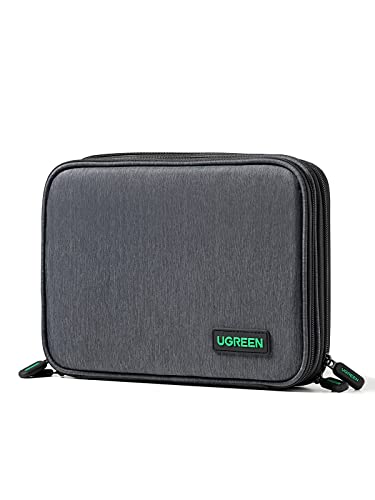
A compact pouch for passports and cards keeps documents organized and easy to find at checkpoints and border counters. View on Amazon
A universal travel adapter with multiple country plug options removes the guesswork when you move between regions. View on Amazon
A compression packing cube set helps you divide clothing by day or category and keeps the suitcase from becoming a single pile. View on Amazon
Common Mistakes to Avoid
- Packing for every possible weather event instead of the forecast for your actual dates and destinations.
- Forgetting to check the plug type for each country on a multi-stop route.
- Putting medications or lithium batteries only in checked luggage.
- Leaving document copies only on your phone, which fails when the battery dies.
- Overpacking shoes. Two pairs usually cover a trip of two weeks.
FAQ
How far in advance should I check passport validity?
Check at least several months before departure, since many countries require the passport to remain valid for six months beyond your travel dates. Confirm the exact rule for each destination on the official government travel site.
Do I need a voltage converter or just a plug adapter?
A plug adapter only changes the shape of the plug. Many phone and laptop chargers accept a wide voltage range, but check the label on each device before assuming it will work.
Should I carry cash or rely on cards?
Carry a small amount of local currency for arrival and a card that does not charge foreign transaction fees, and notify your bank of travel dates. For specific financial guidance, consult your bank or a financial professional.
Conclusion
A solid travelling overseas packing list starts with documents, moves to climate-appropriate clothing and power planning, and ends with a carry-on built for the first day. Reuse this order for each trip and adjust the items for your destination and length of stay. Check official sources for entry rules and confirm your airline’s baggage limits before you leave.
Ready to choose one?
About Colin Foster
Colin Foster is part of our editorial team and reviews and edits our travel essentials & packing lists guides, checking product details against manufacturer specifications and owner feedback.