 By Caleb Morgan
Updated November 2026
Travel essentials for Australia come down to four things: sun protection, insect defense, power that works with Australian plugs, and clothing that handles fast weather changes. If you pack those categories well and keep your carry-on sensible, you will arrive ready for beaches, bush walks and long domestic flights without buying replacements in the first 48 hours. This guide walks through what to pack, how to adjust for trip length, and where people usually go wrong.
Step 1: Check Your Entry Requirements and Documents First
Before you think about clothing, confirm your paperwork. Most visitors to Australia need an electronic travel authority (ETA) or eVisitor, depending on nationality, and you should apply before you travel. Check the official Australian Government travel and immigration site for current requirements, since rules change. Keep a digital and a paper copy of your passport details, travel insurance, accommodation bookings and onward flight information.
Shopping for one? See our guide: Plane Carry On Essentials: 4 Best Travel Bottles for Every Flight.
Australian customs is strict about biosecurity. Declare food, plant material, and outdoor gear that may carry soil or seeds. Hiking boots and tents used in other countries are commonly inspected, so clean them before departure.
Step 2: Build Your Core Packing Checklist
Use this list as your starting point. Adjust quantities for trip length, but keep the categories intact.
- Passport, visa or ETA confirmation, and insurance details in a waterproof pouch.
- Plug adapter. Australia uses Type I plugs (three flat pins in a triangular arrangement), 230V, 50Hz. Look for a model labeled Type I or AU/NZ.
- Sunscreen, SPF 50+ and broad-spectrum, plus a lip balm with SPF. The UV index in much of Australia is high even on cloudy days.
- Insect repellent containing DEET or picaridin, especially for northern regions and coastal areas in summer.
- Wide-brim hat and UV-blocking sunglasses. Look for sunglasses labeled UV400.
- Layered clothing for desert nights, rainforest humidity and cool southern winters.
- Reusable water bottle, since tap water is safe across most of the country and refilling saves plastic.
- Basic first-aid kit with antihistamine, antiseptic, blister plasters and any prescription medications in original packaging.
- Swimwear and a quick-dry towel for beaches, pools and waterfalls.
- Daypack or small backpack for tours, hikes and flights.
Step 3: Adjust for Your Trip Length and Itinerary
Australia’s climate and geography vary enormously. A week in Sydney and a month in the Northern Territory require different kits. Use the table below to decide what matters most.
| Trip Type | Priority Items | Packing Note |
|---|---|---|
| City break (Sydney, Melbourne, Brisbane) | Layers, comfortable walking shoes, transit card | Melbourne weather changes within a single day; pack a light rain shell. |
| Coastal and beach trip (Queensland, Gold Coast) | Reef-safe sunscreen, rash guard, dry bag | Check local reef guidelines before buying sunscreen. |
| Outback road trip | Extra water storage, spare tire kit, offline maps | Mobile coverage is limited; download maps before you leave town. |
| Tropical north (Darwin, Kakadu) | Lightweight long sleeves, strong repellent, mosquito net | Wet season runs roughly November to April with heavy humidity. |
| Winter alpine trip (Snowy Mountains, Tasmania) | Thermal base layers, waterproof jacket, gloves | Nights can drop well below freezing in the highlands. |
Step 4: Plan Your Power, Connectivity and Money
Power and Electronics
Bring one adapter per device, or a multi-port Type I adapter with built-in surge protection. Check that your chargers accept 100 to 240V input so you avoid needing a voltage converter for most devices. Hair dryers and straighteners often do not, so verify the label first.
Mobile Connectivity
Major carriers in Australia include Telstra, Optus and Vodafone. Many visitors buy a prepaid SIM at the airport, but coverage varies by carrier outside cities. Check your home carrier’s international plan and confirm roaming rates before you travel. Carry a backup power bank, as long bus and road legs may leave you without charging.
Money
Australia is largely cashless, and most card payments use contactless tap. Carry one card with no foreign transaction fees and a backup card stored separately. Notify your bank of your travel dates.
Step 5: Pack for Flights and Domestic Travel
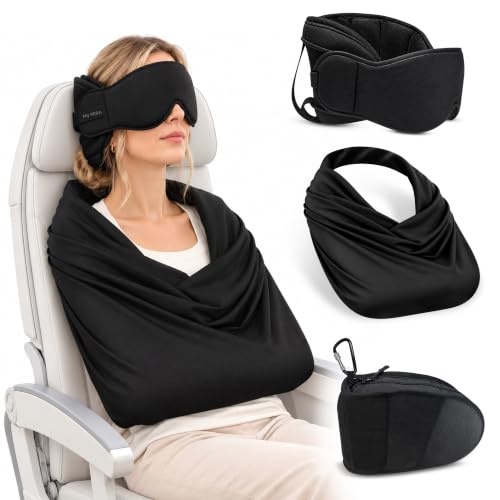
Domestic flights in Australia are efficient, but distances are long. Pack a small kit that stays in your carry-on: a refillable bottle, hand luggage essentials, snacks, a light scarf or sweater for air-conditioned cabins, and eye mask and earplugs for overnight legs. For more on flight comfort, see Travel Essentials for Plane Trips: 12 Items to Pack for Any Flight and Travel Essentials for a Long Flight: 4 Best Picks for Comfort in 2026.
Check baggage allowances with each airline before departure, since budget carriers often charge separately for checked bags. Weigh your luggage at home so you are not surprised at check-in.
Step 6: Protect Yourself on the Road and Outdoors
Australia’s natural hazards are real but manageable. Learn the basics of heat, sun, and water safety. Carry more water than you think you need in arid regions, typically several liters per person per day for hiking. Keep a basic safety plan and let someone know your route when venturing into remote areas. For broader guidance, see Travel Safety Essentials for Any Trip.
If you have health conditions, bring enough prescription medication for your full trip plus a few extra days, plus a copy of your prescriptions. For medical advice tailored to you, consult a doctor or travel health clinic before departure.
Common Mistakes to Avoid
- Forgetting the adapter. Hotels rarely supply them, and airport shops charge a premium.
- Underestimating the sun. Sunburn happens quickly, even on overcast days and in cool weather.
- Packing only summer clothes. Southern cities can be cold in winter and nights in the outback are chilly year-round.
- Ignoring biosecurity rules. Undeclared food and muddy gear can lead to fines and delays.
- Relying on phone maps offline. Download maps and key information before leaving urban areas.
- Overpacking. Laundry services are widely available in cities and many hostels, so you can pack lighter.
Tips for a Smoother Trip
- Pack a lightweight rain jacket that folds into a pocket.
- Use packing cubes to separate hot-weather and cool-weather layers.
- Bring a reusable shopping bag, since supermarkets charge for plastic bags.
- Store a photo of your passport and insurance policy in your cloud storage.
- Keep a small zip bag for sunscreen and repellent so they do not leak into your luggage.
Recommended Gear
A universal plug adapter with Type I support is the single most useful purchase for this trip, and it works across other countries too. View on Amazon
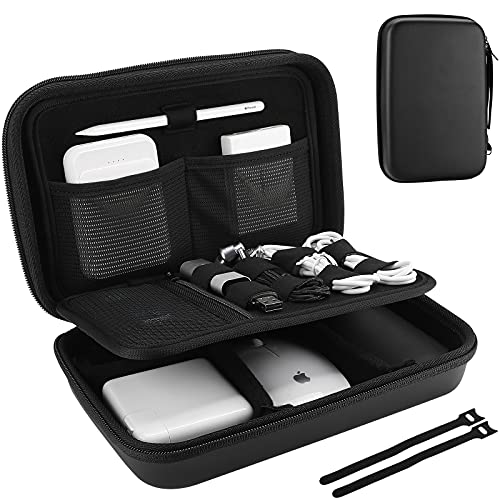
A compact power bank helps you stay connected on long bus journeys and during outback drives with no outlets. View on Amazon
A dry bag keeps electronics, documents and spare clothes protected during boat trips, beach days and rainy hikes. View on Amazon
Packing cubes make it easier to separate warm and cool layers as you move between climate zones. View on Amazon
FAQ
Do I need a special plug for Australia?
Yes. Australia uses Type I plugs with three flat pins arranged in a triangle. A universal adapter with Type I support will work for most visitors.
Is tap water safe to drink in Australia?
Tap water is generally safe to drink in cities and most towns. In remote areas, check locally, since some community water supplies vary in quality.
What sunscreen should I bring?
Choose broad-spectrum SPF 50+ sunscreen and reapply every two hours or after swimming. Check local guidance on reef-safe options if you plan to snorkel or dive.
Can I bring my own food into Australia?
Many foods are restricted. Declare all food on your arrival card and dispose of items in amnesty bins if asked. Check the official biosecurity guidance before packing snacks.
Do I need travel insurance?
Travel insurance is strongly recommended, especially for outdoor activities, road trips and any medical needs. Read policy exclusions carefully, particularly for activities like diving or remote hiking.
What clothing works best for Australia?
Lightweight, breathable layers work well year-round. Add a warm layer for southern winters, highland nights and air-conditioned transport.
How much water should I carry on outback drives?
Carry more water than you expect to need and tell someone your itinerary. Check current road conditions and fuel availability before you leave towns.
Should I rent a car or use public transport?
Cities have good public transport, but distances between regional attractions are long. Renting a car gives flexibility, though you should check licensing requirements and insurance coverage.
Conclusion
Focus your travel essentials for Australia on sun protection, insect defense, correct power adapters and layered clothing. Adjust your kit for the regions you will visit, and keep a small carry-on of comfort items for long flights. Confirm entry requirements and biosecurity rules early so nothing slows your arrival.
Ready to choose one?
About Caleb Morgan
Caleb Morgan is part of our editorial team and reviews and edits our travel essentials & packing lists guides, checking product details against manufacturer specifications and owner feedback.