 By Emily Parker
Updated November 2026
Travel blue travel accessories are a broad category, and the phrase can mean anything from a navy packing cube to a blue-toned toiletry bag to a full set of organizers in a matching color. This guide helps you sort through that category by function first and color second. By the end, you will know which accessory types are worth bringing, how to pick sizes and materials that fit your trips, and how to pack them so they actually make travel easier.
Start With the Jobs You Need Done
Color is the easiest thing to shop by, but it is the least useful filter. Before you look at any product, list the problems you want to solve on your next trip. Most travelers run into the same few: clothes getting jumbled, toiletries leaking, cables tangling, documents going missing, and bags that are hard to find on a carousel. Each problem points to a specific accessory type.
Shopping for one? See our guide: 3 Best Travel Photography Accessories for Better Trip Photos (2026).
Once you have your list, group the items by where they will live during the trip: carry-on, personal item, checked bag, or day bag. An accessory that solves a problem in your checked bag may be the wrong size for your carry-on, and that mismatch is where most wasted purchases come from. If you want more background, see International Travel Accessories Checklist.
A quick needs audit
- Write down the length of your typical trip and the number of days you wear each outfit.
- Note which bag you usually carry on the plane and its interior dimensions.
- List every electronic you bring and how many charging cables each one needs.
- Identify the liquids you pack and whether they are 3.4 ounces (100 ml) or smaller, since that limit governs carry-on liquids in the United States.
- Mark the problems you had on your last trip. Those are your priority purchases.
Choose the Right Accessory Types
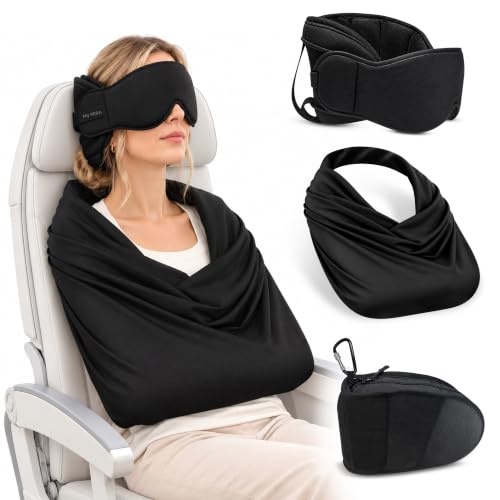
The category covers a lot of ground, so it helps to know which types do the most work. Packing cubes, toiletry kits, cable organizers, document holders and a compact daypack form a solid core. Add a neck pillow or eye mask only if you regularly take long flights or overnight buses.
Packing cubes and compression sacks
Packing cubes divide clothes by category, which makes repacking faster and keeps a suitcase from turning into a single heap. Compression sacks reduce bulk, though they make sense mainly for bulky items like sweaters and jackets. For a carry-on, two medium cubes and one small cube usually cover a week of clothing without overfilling the bag.
Toiletry kits
Look for a kit with a clear or mesh section for quick security checks and a separate pouch that can be opened flat on a sink. Hanging kits suit hotel bathrooms with little counter space. Confirm the interior is wipeable, since leaks are the usual complaint owners report with fabric-lined kits.
Cable and tech organizers
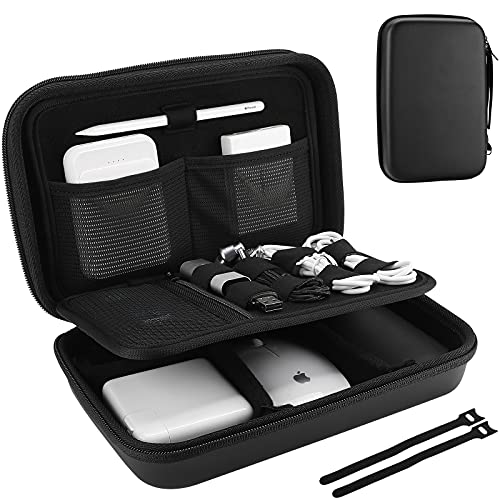
A small zippered pouch with elastic loops keeps chargers, adapters and earbuds from tangling. Separate the pouch into a power zone and a data zone so you can find what you need without unpacking everything. If you carry a power bank, check that it fits the pouch before you buy.
Document and money organizers
A slim holder for passports, boarding passes and cards keeps paperwork flat and visible at airport security. Choose one with an RFID-blocking layer if that feature matters to you, but treat it as one layer of protection rather than a complete solution.
Match Size and Material to Your Trip
Once you know the accessory types, the next decision is size and material. A cube that works for a long weekend will feel cramped on a month abroad, and a heavy nylon kit adds weight you notice on a long walk.
| Trip length | Suggested cube set | Toiletry kit size | Material notes |
|---|---|---|---|
| Weekend (1–3 days) | One small cube | Compact, under 1 liter | Lightweight nylon or polyester |
| Week (4–7 days) | Two medium cubes plus one small | Standard, about 1–2 liters | Water-resistant coating helps |
| Extended (2+ weeks) | Three to four cubes, mixed sizes | Full kit with hanging hook | Durable zippers matter more |
Manufacturers commonly specify nylon and polyester for lightweight organizers, and some offer coated versions for liquid resistance. Check care instructions before washing, since many fabric organizers are spot-clean only.
Pack Them So They Work
Good accessories fail if they are packed poorly. Place toiletries in an outer pocket of the carry-on or near the top of the checked bag so you can reach them at security and at the hotel. Put cables and document holders in the front pocket of your daypack, not at the bottom of a rolling bag. Load the heaviest cube near the wheels and the center of the bag so the suitcase stays balanced.
For liquids, keep each container under the 3.4-ounce limit and place them in a single quart-size bag. Some travelers prefer a clear section on the toiletry kit so the bag can stay closed through security, which speeds the process.
Common Mistakes
- Buying by color alone. A matching set looks tidy, but a cube that is too large for your carry-on causes more problems than a plain one that fits.
- Overstuffing cubes. Packing cubes should close without force. Overfilled cubes bulge and crush the rest of the bag.
- Ignoring the liquid limit. A toiletry kit that holds full-size bottles will get flagged at security.
- Packing accessories you never use. If you do not sleep on planes, skip the neck pillow and eye mask.
- Skipping a test pack. Fill your bag at home a week before the trip to confirm everything fits.
Tips for Getting More From Your Accessories
- Label each cube or pouch with a small tag so you can identify contents quickly in a dark hotel room.
- Keep one accessory set packed and ready so you are not rebuilding your kit before every trip.
- Wipe toiletry kits after each trip, especially if a bottle leaked.
- Store cable organizers with your current chargers so you never leave one behind.
- Review your accessories once a year and replace anything with broken zippers or worn straps.
Recommended gear
These are general product types worth considering when you build a travel blue travel accessories kit. Look for sizes that match your carry-on and trip length.
- Packing cube set. A mixed-size set lets you separate tops, bottoms and underwear without wasting space. View on Amazon
- Hanging toiletry kit. A kit with a hook and a wipeable interior handles hotel bathrooms with little counter space. View on Amazon
- Tech cable organizer pouch. Elastic loops and a divided interior keep chargers and adapters sorted. View on Amazon
FAQ
Are travel blue travel accessories a specific brand or product line?
No. The phrase describes a color and a category, not a single brand. It covers any travel organizer or accessory available in blue tones, so the most useful filter is function and size.
How many packing cubes do I need for a carry-on?
Most travelers do well with two or three cubes for a week-long trip. Add a fourth only if you pack bulky items like sweaters or a second pair of shoes.
What size toiletry kit fits a carry-on?
A kit around one to two liters works for most trips and fits in a quart-size bag for security. Choose a smaller kit if you already carry a daypack.
Do I need a separate bag for cables?
A small pouch works well, especially if it has elastic loops and separate sections for power and data. It keeps cables from tangling and makes them easy to find.
Are RFID-blocking document holders necessary?
They are optional. Some travelers prefer the added layer, but RFID blocking is only one part of keeping documents secure. Keep an eye on your bag in crowded areas regardless.
Can I pack liquids in my toiletry kit?
Yes, but each liquid container must hold 3.4 ounces (100 ml) or less for carry-on bags in the United States, and all liquids must fit in one quart-size bag. Rules differ by country, so check before you fly internationally.
How do I clean a fabric toiletry kit?
Most manufacturers recommend wiping the interior with a damp cloth and mild soap, then air drying fully. Avoid soaking unless the care label says it is machine washable.
Conclusion
Travel blue travel accessories are most useful when you choose them by the problems they solve rather than their color. Start with a needs audit, pick the core types that match your trips, and size them to your carry-on. Test-pack at home, keep liquids within the limit, and replace worn items once a year to keep your kit reliable.
Related reading
- iPhone Camera Accessories for Travel: 9 Picks for Better Trip Photos
- Wandering Moon Travel Accessories: What They Are and How to Use Them
- Travel Trailer Hitch Accessories: 9 Essentials to Pack and Install (2026)
Ready to choose one?
About Emily Parker
Emily Parker is part of our editorial team and reviews and edits our travel essentials & packing lists guides, checking product details against manufacturer specifications and owner feedback.