 By Colin Foster
Updated November 2026
A packing list for studying abroad in Europe PDF gives you a printable checklist you can tick off before you fly. This guide shows you how to build that list around your term length, your climate and the documents you cannot replace. By the end, you will have a working draft you can save, print and adjust as your departure date gets closer.
Step 1: Confirm Your Length of Stay and Climate
Start with two facts: how many weeks you will be in Europe and which months you will cover. A semester from September to December needs different layers than a spring term from January to May. Check the average daytime and nighttime temperatures for your host city, then plan for the coldest week, not the average. Most students in Europe pack for roughly two weeks of clothing between laundry cycles, so a four-month stay means you will do laundry regularly.
Shopping for one? See our guide: Packing List for Europe Summer Male: 4 Best Picks for Men (2026).
Step 2: Build Your Document and Money Section First
Documents go at the top of your PDF because they are the hardest to replace from abroad. Keep a physical copy and a scanned copy of your passport, student visa, admission letter, housing contract and health insurance card. Confirm passport validity requirements with your school and the consulate, since some countries require several months of validity beyond your departure date. Consult your school’s study abroad office for the exact rules that apply to you.
Step 3: Organize Clothing and Daily Essentials by Category
Group items so the PDF is easy to scan at the airport. A simple layout works well:
- Clothing: 5–7 tops, 3–4 bottoms, one warm layer, one waterproof jacket, 7 pairs of underwear and socks
- Footwear: one everyday pair of closed-toe shoes, one pair of comfortable walking shoes
- Electronics: phone, laptop, charger, a European plug adapter (Type C and F are common), and a power bank
- Toiletries: travel-size containers, prescription medications in original packaging with a doctor’s note
- Study supplies: notebook, pens, a small planner, and any required course materials
- Documents: copies of everything listed in Step 2, plus emergency contacts written on paper
Pack lighter than you think you need. Most students end up buying a few items locally, and stores in European cities are well stocked.
Step 4: Plan Your Carry-On and Checked Bag Split
Put documents, medications, one change of clothes and your laptop in your carry-on, so a lost checked bag does not stop your first week. Check your airline’s weight and size limits before you finalize the PDF, since rules vary by carrier and fare class. If you are taking a long international flight, a compact in-flight kit with a sleep mask, earplugs and a refillable water bottle helps. For a shorter city-based trip, see City Break Packing List for a leaner approach.
Recommended gear
- Plug adapter with USB ports: lets you charge several devices from one European outlet at once. View on Amazon
- Packing cubes: keep clothing sorted by category so you can unpack quickly in a small dorm or flat. View on Amazon
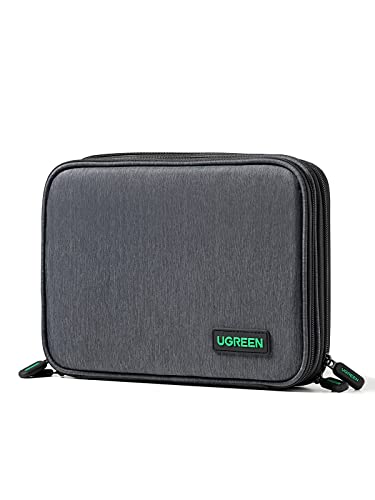
- Document organizer pouch: holds passports, printed copies and cards in one waterproof place. View on Amazon
Common Mistakes to Avoid
- Packing for a warm home climate and ignoring the cold months abroad.
- Forgetting a plug adapter, then paying for a last-minute purchase at the airport.
- Keeping only digital copies of documents, with no paper backup.
- Bringing too many shoes. Two pairs cover most semester routines.
- Skipping a list check the night before departure. A quick review catches missing chargers and medication.
How to Turn Your Packing List Into a PDF
Once your categories are set, type the list into a document editor, use clear headings and checkboxes, and export it as a PDF. Print one copy for your bag and keep the file on your phone. Update the PDF as you learn what you actually use, and revisit it before any trip to a different climate. For another season, compare with Winter Packing List for Europe: What to Bring for Cold-Weather Trips to adjust your layers.
FAQ
Do I need a special PDF template for studying abroad?
No. Any simple document with headings and checkboxes works. Your school may also provide a packing checklist that you can add your own items to.
How many clothes should I bring for a semester in Europe?
Most students pack about two weeks of clothing and plan to do laundry regularly. Pack by category, not by a fixed count, and adjust for your climate.
Should I bring medication from home?
Bring enough for your trip in original packaging, with a doctor’s note for prescriptions. Confirm rules for specific medications with the destination country’s embassy or a healthcare professional before you travel.
Conclusion
A packing list for studying abroad in Europe PDF works best when it is built around your length of stay, your climate and your documents. Start with paperwork, group everything by category and keep a carry-on that covers your first days. Review the list before you fly and update it after your first few weeks abroad.
Related reading
- Packing List for River Cruise in Europe PDF: Steps and Checklist
- Women's Packing List for 2 Weeks in Europe: A Practical Guide
- Winter Packing List for Europe: What to Bring for Cold-Weather Trips
- Travel Packing List for Europe: A Step-by-Step Guide (2026)
- Printable Packing List for Europe: 5 Best Picks for Every Trip
Ready to choose one?
About Colin Foster
Colin Foster is part of our editorial team and reviews and edits our travel essentials & packing lists guides, checking product details against manufacturer specifications and owner feedback.