 By Colin Foster
Updated November 2026
A packing list for Europe trip summer works best when it covers three things: clothing that handles heat and sun, footwear for long walking days, and a short list of documents and small items that prevent problems. Follow the steps below and you will end up with one carry-on or one checked bag that fits a 7 to 14 day itinerary. If you are traveling in a different season, the Winter Packing List for Europe: What to Bring for Cold-Weather Trips guide covers the cold-weather version.
Step 1: Plan Your Clothing Around Heat and Walking
Summer temperatures in southern Europe often reach the upper 80s and 90s Fahrenheit, while northern cities such as Amsterdam or Copenhagen can stay in the 60s and 70s with occasional rain. Pack for the hottest city on your route, then add one layer for evenings and air-conditioned trains. Plan about four to five tops, two bottoms, one dress or pair of shorts, one light jacket and enough underwear for four to five days before you need laundry.
Shopping for one? See our guide: Packing List for Europe Summer Male: 4 Best Picks for Men (2026).
- Breathable tops in cotton, linen or a technical blend that dries overnight
- One pair of lightweight pants or a long skirt for churches and cooler nights
- One swimsuit if you plan to visit a lake, coast or hotel pool
- A light scarf or sarong, which doubles as a cover-up for religious sites
Step 2: Choose Footwear You Can Walk in All Day
Most Europe itineraries involve 10,000 or more steps a day on cobblestones, so footwear matters more than almost anything else. Bring two pairs at most: one supportive walking shoe or sneaker and one dressier pair that works with dresses or smart casual outfits. Break in both pairs before you leave.
| Item | Quantity | Purpose |
|---|---|---|
| Walking sneakers | 1 pair | Daily sightseeing on stone streets |
| Dressier shoe or sandal | 1 pair | Dinners, museums, evenings out |
| Flip-flops or slides | 1 pair | Hotel showers and beaches |
Step 3: Pack Documents, Money and Health Basics
Keep your documents organized in one zippered pouch that you carry on your body, not in your checked bag. Check that your passport has at least six months of validity beyond your departure date, and confirm current entry requirements for your destination countries before you leave.
- Passport, plus a color photocopy or phone photo stored separately
- Printed copies of hotel confirmations and train or flight tickets
- A debit card and a credit card with no foreign transaction fee, stored in different places
- Prescription medications in their original labeled containers, with a copy of the prescription
- Travel insurance details saved offline on your phone
If you have a medical condition or take regular medication, check with your doctor or pharmacist about carrying it abroad.
Step 4: Build a Day Bag and Summer Essentials Kit
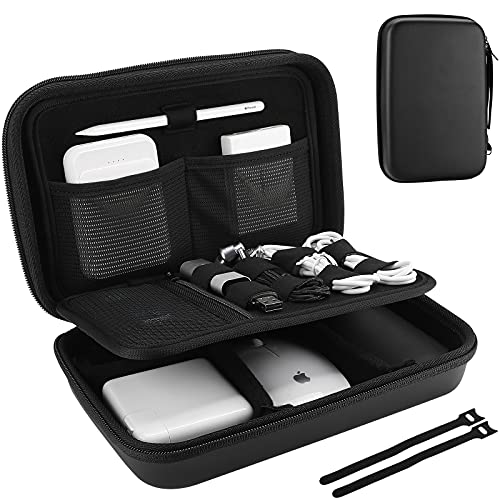
A small crossbody or backpack for daily use keeps your essentials within reach on crowded metro lines. Include a refillable water bottle, sunscreen with at least SPF 30, a compact umbrella for sudden showers, a lightweight cover-up for church visits, and a small pack of tissues and hand sanitizer. For a full list of small items, see our Travel Essentials for Europe Trip: 12 Items to Pack for Any Itinerary.
Recommended gear
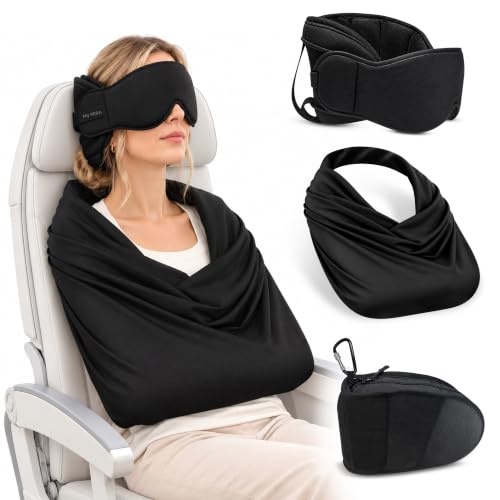
A packing cube set makes it easy to separate clothing by outfit and keep a carry-on organized between hotels. A compact travel umbrella handles the brief summer storms that often pass through by afternoon. A slim money belt or anti-theft crossbody keeps passports and cards close in busy tourist areas.
- Packing cubes: View on Amazon
- Compact travel umbrella: View on Amazon
- Anti-theft crossbody bag: View on Amazon
Common mistakes to avoid
- Packing for a dry climate when your route includes coastal or northern cities with rain
- Bringing new shoes that have not been broken in
- Packing more than one heavy outfit for evenings, since most summer dinners are casual
- Forgetting a plug adapter for the European two-prong or three-prong outlet type
- Keeping all your cards and documents in one bag
FAQ
How many outfits do I need for two weeks in Europe in summer?
Most travelers manage well with five to seven tops, two or three bottoms and one dressy outfit, then do laundry once or twice. Hotels and laundromats are widely available in major cities.
Do I need a jacket in Europe in July and August?
A light layer such as a cardigan or thin jacket is useful for evenings, air-conditioned trains and northern destinations. A heavy coat is rarely necessary.
Should I bring a plug adapter for Europe?
Yes. Most of Europe uses two-prong plugs, so a travel adapter with European plug compatibility is needed for most US devices.
Conclusion
A packing list for Europe trip summer should focus on breathable clothing, two well-worn pairs of shoes and a secure document kit. Build your list around your hottest and most walking-heavy days, then trim anything you did not use on the last trip. Pack light, and you will spend more time seeing the places you came to visit.
Related reading
- Printable Packing List for Europe: 5 Best Picks for Every Trip
- Packing List for a Trip to Europe: Essentials for Any Length
- Packing List for Summer in Europe: A Season-Ready Checklist
- Packing List for Europe Summer Female: 3 Best Picks for Women (2026)
Ready to choose one?
About Colin Foster
Colin Foster is part of our editorial team and reviews and edits our travel essentials & packing lists guides, checking product details against manufacturer specifications and owner feedback.