 By Caleb Morgan
Updated November 2026
Mimi and Yves travel essentials are the core items that help a traveler stay organized, comfortable and prepared from departure to return. This guide walks through how to decide what belongs in your bag, how to group items by trip length and destination, and how to build a packing system you can reuse. By the end, you will have a clear checklist and a method for assembling a kit that works for weekend trips and longer journeys alike.
What Counts as a Mimi and Yves Travel Essential
The phrase “mimi and yves travel essentials” describes a practical approach to packing rather than a single fixed list. The idea is to keep a short set of items that solve recurring problems: staying clean, staying charged, staying comfortable and handling small emergencies. Anything beyond those needs is an extra that depends on where you are going and what you plan to do there.
Shopping for one? See our guide: Plane Carry On Essentials: 4 Best Travel Bottles for Every Flight.
Most travelers can sort their essentials into four groups. Documents and money are the first. Health and hygiene come second. Tech and power are third, and comfort and organization round out the list. Once you think in these categories, it becomes much easier to decide whether a new item earns a place in your bag.
Step 1: Sort Your Trip by Length and Setting
Before you pull anything from a drawer, define the trip. A three-day city visit needs a different kit than a two-week trip with mixed weather. Write down the length, the expected temperature range, whether you will be walking a lot, and whether you will have laundry access.
Quick trip profile questions
- How many nights are you away, and will you have laundry access?
- What is the typical daytime and nighttime temperature?
- Will you be on planes, trains or long drives?
- Do you need business clothing, athletic gear or formal wear?
- Are there medical needs or medications to carry?
Your answers determine how many clothing sets you need and which specialty items to add. For cold-climate planning, the guide to Winter Travel Essentials: Packing for Cold-Weather Trips covers layering and cold-specific gear in more depth.
Step 2: Build the Core Kit
The core kit holds items you use on almost every trip. Keep these in a dedicated pouch so you can restock them after each journey instead of rebuilding from scratch.
- Passport, ID and printed copies of reservations stored in a separate pouch.
- Payment cards plus a small amount of local currency for the first day.
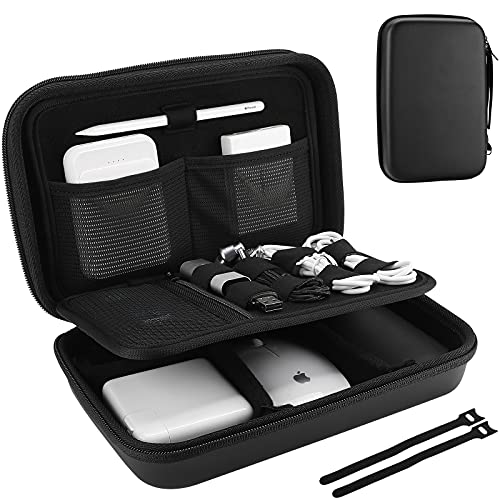
- Phone charger, a portable power bank and a short cable for each device.
- A travel-size toothbrush, toothpaste, deodorant and a small sunscreen.
- Prescription medications in original labeled containers, with a few days of spare doses.
- A basic first-aid pouch with bandages, pain relievers and any personal medication.
- A reusable water bottle that empties before security and refills after.
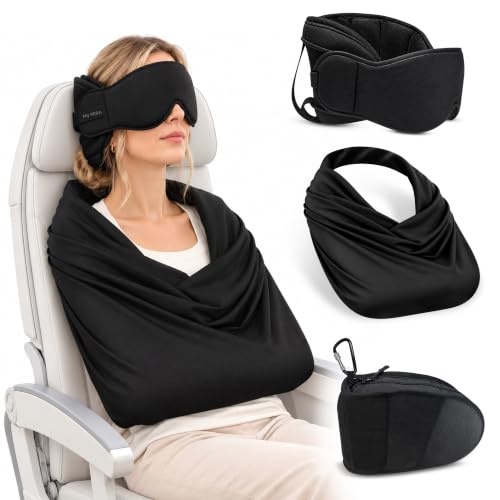
- A lightweight packable layer for temperature changes.
Manufacturers of most power banks specify airline carry-on rules, so check watt-hour ratings before you fly. Many airlines limit spare lithium batteries to carry-on bags only.
Step 3: Organize Items for Fast Access
A good packing system matters as much as the contents. Group items by use so you can find them without unpacking everything at a checkpoint or hotel room. Packing cubes, zippered pouches and a clear toiletry bag each serve a distinct purpose.
Suggested zone layout
| Zone | Contents | Where to Pack It |
|---|---|---|
| Documents | Passport, ID, itinerary printouts | Front pocket of carry-on |
| Tech | Chargers, power bank, cables | Dedicated sleeve or small pouch |
| Liquids | Toiletries under 3.4 oz each | Clear quart-size bag |
| Medical | Medications, first-aid kit | Top layer of carry-on |
| Clothing | Outfits rolled or folded in cubes | Main compartment |
The 3.4-ounce liquid limit is the standard US Transportation Security Administration rule for carry-on containers. Check current rules before any trip, since security procedures change.
Step 4: Adjust for Destination and Activity
Once the core kit is set, layer in destination-specific items. A beach trip calls for water shoes and a dry bag. A city trip with heavy walking needs supportive footwear and a crossbody bag that closes securely. Research the destination’s voltage and plug type early, because adapters are easy to forget and hard to find on arrival.
If you are traveling to a specific country, related guides cover those needs in detail. For example, Travel Essentials for Japan: 10 Items to Pack for Any Trip and Travel Essentials for Spain: 10 Items to Pack for Any Trip (2026) each address local power, transit and weather considerations.
Step 5: Pack Clothing Efficiently
Clothing is usually the bulkiest part of any kit. Plan outfits around two or three base colors so every top works with every bottom. For trips of a week or less, a practical formula is one outfit per day plus one extra set. Longer trips benefit from laundry planning instead of extra clothing.
Clothing packing steps
- Lay out one outfit per day, including sleepwear and one spare underwear set per day.
- Remove anything you do not wear at least twice in your plan.
- Roll lighter items and fold structured pieces to reduce creasing.
- Place heavier items at the bottom of the bag, close to the wheels or back panel.
- Fill shoes with socks or small pouches, and wrap them in a bag to keep dirt away from clothing.
Common Mistakes
- Packing for every possible scenario. A list built on “what if” usually adds weight without adding usefulness. Pack for the trip you have, and buy a small item locally if something unexpected happens.
- Forgetting to check medication rules. Some countries restrict certain prescription drugs. Carry a copy of your prescription and check with the destination’s embassy or a pharmacist if you are unsure.
- Storing chargers in checked bags. Chargers and batteries are easy to lose or damage in transit. Keep them in your carry-on.
- Skipping a test run. Packing once, then unpacking to see what you actually used, reveals which items to cut for next time.
- Leaving documents until the last minute. Check passport validity dates early, since some countries require several months of remaining validity.
Tips for a Reusable Travel Kit
- Keep a permanent core kit in a labeled bag so you only need to add trip-specific items.
- Store liquids in travel bottles and replace them as they run low, rather than letting them run out mid-trip.
- Write a short packing list on a card and tape it inside the lid of your main bag.
- After each trip, note which items went unused. Remove them from the core kit at the next packing session.
- Store your kit in a cool, dry closet so medications and electronics stay in good condition.
Recommended gear
A few types of gear make the system above easier to maintain. Choose options that fit your trip length and the number of items you actually carry.
- Packing cubes keep clothing compressed and separated by category, which speeds up unpacking at each stop. View on Amazon
- A clear quart-size toiletry bag lets security staff see liquids quickly and keeps leaks from spreading. View on Amazon
- A compact power bank handles phone and tablet charging on long flights and in transit. Check the watt-hour rating against airline rules. View on Amazon
- A universal travel adapter covers multiple plug types so you can charge devices in different countries without buying a new adapter each trip. View on Amazon
FAQ
What are the most important mimi and yves travel essentials?
The most important items cover documents, medication, hygiene basics, charging and a light layer for temperature changes. These needs apply to nearly every trip regardless of destination.
How do I keep my travel kit organized between trips?
Store the core items in one labeled pouch or bag. After each trip, restock anything you used and remove items that went unused, so the kit stays lean.
Should I pack the same kit for a short trip and a long trip?
The core kit stays the same, but clothing and quantities change. Longer trips may need laundry planning or extra medication supply, while short trips need fewer clothing sets.
Can I bring liquids in a carry-on bag?
In the United States, the TSA allows liquids in containers of 3.4 ounces or less, placed in a clear quart-size bag. Check current rules before flying, and review the rules of your departure and connecting airports.
How many days of medication should I carry?
Many travelers carry a few extra days beyond the trip length, kept in original labeled containers. Confirm the amount with your prescriber, and check the destination’s rules on carrying prescription drugs.
Do I need a power bank for every trip?
A power bank is useful for long days, flights and areas where outlets are scarce. Confirm airline limits on lithium batteries, since many airlines require spare batteries to stay in carry-on bags.
Where can I find destination-specific packing advice?
Destination guides on this site cover items such as adapters, weather gear and local transit needs. Start with the guide for your country, then adjust the core kit to match.
Should I consult a professional about medication travel?
Yes. If you take prescription drugs, controlled substances or medication for a chronic condition, consult your doctor or pharmacist before traveling to confirm dosage, supply and legal status in your destination.
Conclusion
Mimi and yves travel essentials work best as a system: a stable core kit, organized by function, adjusted for each destination and trip length. Start by defining the trip, build the core items, and organize everything into zones you can access quickly. Review the kit after every journey so it stays lean, reliable and ready for your next departure.
Related reading
Ready to choose one?
About Caleb Morgan
Caleb Morgan is part of our editorial team and reviews and edits our travel essentials & packing lists guides, checking product details against manufacturer specifications and owner feedback.