Packing for a city break means balancing comfort, style, and practicality. You will be on your feet all day, navigating public transit, and likely eating out in the evening. The key is to bring versatile items that work for both sightseeing and dinner, while keeping your belongings secure and your phone charged. This city break packing list covers everything you need for a weekend or a full week, with a focus on layers, theft prevention, and smart tech.
Before you start
Think about the weather, the local dress code, and how you plan to get around. Check the forecast a few days before you leave, but prepare for changeable conditions by packing layers. If you are flying, review the TSA rules for carry-on liquids and electronics. For more general destination advice, see the Essentials by Destination guide.
The checklist, grouped by category
Footwear
- Comfortable walking shoes – Your most important item. Choose a pair you have already broken in, with good arch support and a non-slip sole. Avoid new shoes that might cause blisters.
- Dressier shoes – For dinners or nicer venues. A pair of clean sneakers, loafers, or low heels that can double as daytime wear if needed.
- Slip-on shoes or sandals – Optional for the hotel room or if the weather is warm.
Clothing
- Base layers – Lightweight tops in neutral colors that can be mixed and matched. Merino wool or synthetic fabrics are great for odor control and moisture wicking.
- Mid layers – A sweater, cardigan, or fleece that can be added or removed easily.
- Outer layer – A lightweight, packable jacket or trench coat that is water-resistant or windproof. If rain is likely, bring a dedicated waterproof shell.
- Bottoms – Two to three pairs of pants or skirts that work for both day and evening. Dark colors hide stains and look dressier. Consider one pair of jeans and one pair of chinos or trousers.
- Nicer outfit for dinners – A dress, button-down shirt, or blouse that elevates your look without taking up much space. This can be one of your mid layers paired with dressier pants.
- Undergarments and socks – Enough for the trip plus one extra set. Choose moisture-wicking socks if you will walk a lot.
- Pajamas or loungewear – Lightweight and compact.
Bag and security
- Small crossbody bag or daypack – A bag that stays in front of you is harder to pickpocket. Look for one with zippered compartments and slash-resistant straps if possible. For a deeper dive on city-specific safety, see the City Trips guide.
- Money belt or hidden pouch – For passports, extra cash, and backup cards. Wear it under your clothes.
- RFID-blocking wallet or sleeve – Protects contactless cards from electronic pickpocketing.
- Bag lock – A small combination lock for your daypack or hostel locker.
Tech and accessories
- Portable charger (power bank) – Essential for keeping your phone alive during long days of navigation and photos. Choose a capacity that can charge your phone at least once fully. Remember: power banks must go in carry-on luggage.
- Charging cables – Bring a short cable for the power bank and a longer one for the hotel room. A multi-cable with interchangeable tips saves space.
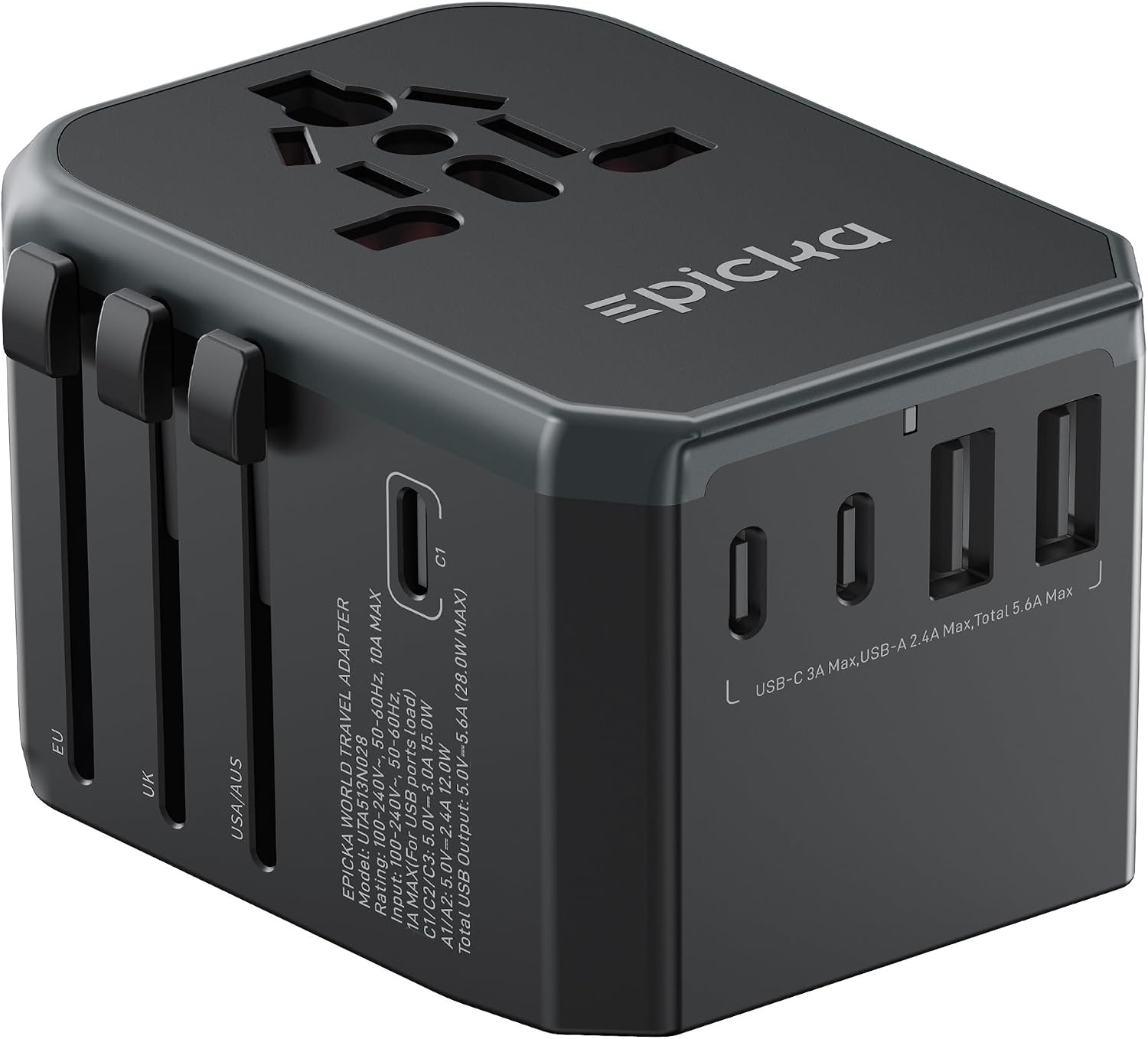
- Travel adapter – If crossing country borders, a universal adapter with USB ports is handy.
- Offline maps – Download maps of the city on your phone before you go. Many map apps allow offline downloads. Also consider saving a screenshot of key transit routes.
- Transit card or app – Research whether the city uses a reloadable transit card (like a metro card) or a mobile app for tickets. Pre-load it before you arrive to avoid lines.
- Compact umbrella – A windproof, folding umbrella that fits in your daypack. If you don’t have one, consider a compact travel umbrella that is lightweight and sturdy.
- Earbuds or headphones – For calls, music, or quiet moments on transit.
Toiletries and health
- Travel-sized toiletries – Shampoo, conditioner, body wash, toothpaste, deodorant, and any skincare essentials. Keep them in a clear, quart-sized bag if flying.
- First-aid basics – Bandages, antiseptic wipes, pain relievers, and any personal medications. Check with your doctor or pharmacist for dose recommendations.
- Hand sanitizer and wet wipes – Useful after touching railings or public screens.
- Sunscreen and lip balm – Even in cloudy cities, UV exposure adds up.
- Insect repellent – If you are visiting a city near water or during warm months.
Documents and money
- Government-issued ID or passport – For domestic travel, a REAL ID compliant driver’s license is required starting May 7, 2025. For international trips, many countries require your passport to be valid for months beyond your stay, so check the entry requirements for your destination.
- Copies of important documents – Store digital copies in a secure cloud folder and keep a paper copy separate from the originals.
- Credit and debit cards – Notify your bank of travel plans. Carry at least two cards in different locations.
- Local currency – A small amount of cash for taxis, tips, or small shops that do not accept cards.
- Travel insurance card – Keep a digital and physical copy of your policy number and emergency contact.
What you can skip
City breaks are about moving light. Leave behind:
- Large suitcase – A carry-on sized roller bag or a 40-liter backpack is plenty for a week.
- Multiple pairs of shoes – Two pairs maximum: walking shoes and dressier shoes. Anything else is extra weight.
- Bulky guidebooks – Use your phone or a pocket-sized map instead.
- Full-sized toiletries – Buy travel sizes or use solid bars (shampoo bar, soap bar) to save space.
- Laptop or tablet – Unless you need to work, a smartphone is enough for navigation and entertainment.
- Too many accessories – One scarf or hat is fine; skip jewelry that draws attention.
A quick-reference table
Use this table to check your packing for a weekend (2–3 nights) or a full week (5–7 nights). Quantities are suggestions; adjust based on weather and laundry access.
| Category | Weekend (2–3 nights) | Week (5–7 nights) |
|---|---|---|
| Walking shoes | 1 pair | 1 pair |
| Dressier shoes | 1 pair (optional) | 1 pair |
| Tops (base layers) | 2–3 | 4–5 |
| Bottoms | 2 | 3 |
| Mid layer | 1 | 1–2 |
| Outer layer | 1 | 1 |
| Nicer outfit for dinners | 1 | 2 |
| Undergarments | 3 sets | 6 sets |
| Socks | 3 pairs | 5 pairs |
| Pajamas | 1 set | 1 set |
| Small crossbody or daypack | 1 | 1 |
| Portable charger | 1 | 1 |
| Compact umbrella | 1 | 1 |
| Toiletries (travel-sized) | 1 set | 1 set |
| Documents and money | As needed | As needed |
FAQ
How do I prevent pickpocketing in a city?
Use a crossbody bag that zips shut and keep it in front of you. Avoid putting your phone or wallet in back pockets. Consider a money belt for valuables. Stay aware in crowded areas like metro stations and tourist spots.
Should I bring a laptop for a city break?
Only if you need to work. For most city breaks, a smartphone is enough for maps, tickets, and photos. A tablet may be useful for reading or streaming in the hotel, but it adds weight.
What kind of walking shoes are best for a city break?
Look for lightweight, supportive shoes with a cushioned sole and good traction. Sneakers or walking shoes that you have worn before are ideal. Avoid heels or flimsy flats if you plan to walk more than a few miles.
Can I pack everything in a carry-on?
Yes, a city break is perfect for carry-on only. A 40-liter backpack or a small rolling suitcase (carry-on size) can hold all the items above for a week. Use packing cubes to compress clothes and keep things organized.
With this packing list, you will be ready to explore museums, ride the metro, enjoy a nice dinner, and return home without having overpacked. For trips that involve hiking or mountains, see the Mountain Trip Packing List for additional gear. Safe travels!