 By Emily Parker
Updated November 2026
The best travel accessories for Thailand are the ones that handle heat, humidity, sudden monsoon downpours, and a lot of time on buses, boats and motorbike taxis. By the end of this guide, you will have a packing checklist sorted by category, a sense of what to bring for each stage of a typical Thailand itinerary, and a short list of gear worth buying before you go. The focus here is on practical items that earn their place in a daily routine, not gadgets you will pack once and forget.
Start With Your Itinerary and Climate
Thailand is not one climate. Bangkok and the central plains stay hot and humid year round, with temperatures often in the low 90s Fahrenheit and humidity that makes evenings feel warm. The northern mountains around Chiang Mai and Pai can drop into the 50s at night between December and February. The southern islands, including Phuket, Krabi and Koh Samui, get heavier rain during the southwest monsoon, roughly May through October, while the Gulf side around Koh Samui and Koh Tao peaks in October through December.
Shopping for one? See our guide: 3 Best Travel Photography Accessories for Better Trip Photos (2026).
Before you pack anything, sketch your route. A trip that moves between Bangkok, the north and the islands needs three different mindsets: city walking, cool-weather layers for mountain nights, and beach-and-boat gear. Most travelers do best packing for heat as the baseline and adding one layer and one rain item on top.
A Quick Trip-Type Checklist
- Count your domestic transfers. Each one is a chance for a bag to be left, a seat to be cramped, or a boat to be bumpy.
- Note where you will stay in temples, where you will swim, and where you will need a rain jacket.
- Check whether any stop is remote. Smaller islands and mountain villages may have limited pharmacies and ATMs.
- Decide whether you will carry one bag or two. Thailand favors soft-sided luggage, and many guesthouses have narrow stairs.
Essential Gear for Heat and Humidity
Heat is the constant. Your accessories should help you stay dry, cool and protected from the sun without adding bulk.
Sun and Skin Protection
Thailand’s UV index is high most of the year, and reflective water and sand increase exposure on the islands. A broad-brim hat or cap, UPF-rated clothing, and a reef-safe sunscreen in a leak-proof tube will cover most needs. Many travelers pack a small sunscreen stick for temples and motorbike rides, where reapplying a full bottle is awkward. Check labels on any product you plan to use near snorkel sites, as some Thai marine parks restrict certain chemical ingredients.
Cooling and Hydration
A lightweight, quick-dry towel in the 24 by 40 inch range covers beach days and humid hotel showers. A reusable water bottle with a filter or a built-in insulated sleeve keeps drinking water practical, since tap water is not recommended for drinking in most of the country. Bring a compact fan only if you know your accommodation lacks air conditioning, because it takes up space you may need for souvenirs.
Rain, Monsoon and Wet-Weather Kit
Sudden rain is common, especially in the afternoon during the wet season. Thai streets can flood quickly, and open-sided songthaews and longtail boats offer little shelter.
Waterproofing Your Electronics and Documents
Use a dry bag of at least 10 liters for phones, passports and cash during boat transfers and beach days. A small waterproof phone pouch with a lanyard lets you take photos on a rainy ride without worrying. Keep copies of your passport and travel insurance in a separate plastic sleeve.
Footwear and Rain Layers
Quick-drying sandals with a grippy sole work better than flip-flops for uneven temple steps and wet pavement. A packable rain jacket, not a poncho, handles both showers and wind on mountain roads. Keep a spare pair of socks in a zip bag so you have dry feet for the rest of the day.
Temple Etiquette and Modest Clothing
Many of Thailand’s major temples, including Wat Phra Kaew and Wat Pho in Bangkok, require shoulders and knees to be covered. Bring a lightweight sarong or long scarf that doubles as a cover-up, a shawl for air-conditioned spaces, and a pair of slip-on shoes, since you will remove footwear often.
Power, Connectivity and Tech
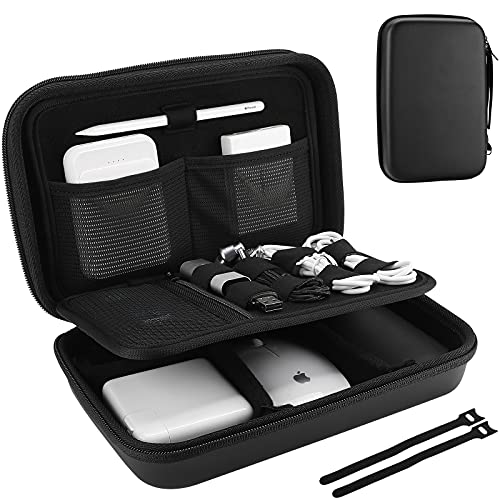
Thailand uses Type A, B, C and F outlets at 220 volts, with a 50 Hz frequency. Most modern chargers handle this range, but check your device labels, and bring a universal adapter if your plug shape is not Type A or B. A small power strip with two or three outlets helps when you share one room socket with a phone, camera and power bank.
For connectivity, many travelers buy a local SIM at the airport or a convenience store. Bring your passport to register it. If you prefer eSIM, confirm your phone supports it before you leave home.
Money, Documents and Security
Carry a mix of cards and some cash in Thai baht for markets, street food and smaller guesthouses. A slim neck wallet or a money belt keeps valuables close in crowded markets. Store a digital copy of your passport, visa details and travel insurance somewhere you can reach offline. For visa and entry rules, check official government sources, since requirements change.
Common Mistakes
- Packing for dry weather only. Even in the dry season, pack one rain layer.
- Bringing shoes you cannot slip off quickly. You will remove footwear at temples, homes and some restaurants.
- Skipping a dry bag for island trips. Boat transfers splash, and a single soaked phone can end a day’s photos.
- Assuming every hotel has air conditioning or hot water. Confirm before booking if comfort matters to you.
- Overpacking clothing. Laundry services are inexpensive and easy to find across the country.
- Forgetting to check sunscreen rules for marine parks before snorkeling.
Tips for a Smoother Thailand Trip
- Pack a small first-aid kit with blister plasters, antidiarrheal medication and rehydration salts. If you take prescription medication, carry it in its original labeled container.
- Use a packing cube system so you can separate clean, worn and beach clothes quickly.
- Keep one light outfit and a toiletry bag in your day pack in case your main luggage is delayed.
- Save offline maps and transport apps before you leave home.
- For more route-specific ideas, see Essentials for Thailand Travel: 4 Best Picks for Every Trip, which covers the core items most travelers end up using daily.
Recommended gear
These items match the heat, rain and island-hopping needs covered above.
- Sea to Summit Ultra-Sil Dry Bag: a lightweight, roll-top dry bag that keeps phones, documents and spare clothes dry on boat transfers and beach days. View on Amazon
- Lifesystems Ultralight Insect Shield Mosquito Net: useful for island bungalows and fan-only rooms, where mosquitoes are a regular problem. View on Amazon
- Anker PowerCore 10000 Portable Charger: a compact power bank that covers long bus rides and days without reliable outlets. View on Amazon
- Packable rain jacket from a major outdoor brand: a lightweight shell that stuffs into its own pocket and handles monsoon showers and cool mountain nights. View on Amazon
FAQ
What is the single most useful accessory for Thailand?
A dry bag or waterproof phone pouch is the item most travelers say they are glad they packed, because boat transfers, sudden rain and beach days all put electronics at risk.
Do I need a universal adapter?
If your plugs are Type A or B, you may not need one. Otherwise, bring a universal adapter. Thailand uses 220 volt power, so confirm your devices accept that range.
Can I wear shorts and tank tops around Thailand?
Yes in most tourist areas and beaches. For temples and some religious sites, cover your shoulders and knees, and carry a sarong or scarf for quick cover-ups.
Is tap water safe to drink?
Most guidance advises against drinking tap water in Thailand. Use bottled, filtered or boiled water, and check current health advice from your government before you travel.
Should I bring a rain jacket in the dry season?
Yes. Dry season is less rainy, but short showers still happen, and a packable jacket also helps with air-conditioned buses and cool mountain evenings.
What should I put in a Thailand first-aid kit?
Blister plasters, antiseptic wipes, antidiarrheal medication, rehydration salts, pain relief and any personal prescriptions in original containers. Consult a doctor or travel clinic for medication advice tailored to your health.
How much should I pack for a two-week trip?
Most travelers manage with a carry-on or a 40 to 45 liter backpack, using laundry services for longer stays. Packing cubes and a dry bag make a small bag feel organized.
Conclusion
The best travel accessories for Thailand are chosen around heat, rain, temple visits and frequent transfers. Build your kit around sun protection, a dry bag, a rain layer, modest clothing for temples, and reliable power. Adjust for your route and season, and pack light enough to move between islands, cities and mountains without stress.
Related reading
- Best Travel Tech Accessories: 9 Essentials for Every Trip (2026)
- Best Travel Accessories for Plane Trips: 9 Essentials for a Smoother Flight
Ready to choose one?
About Emily Parker
Emily Parker is part of our editorial team and reviews and edits our travel essentials & packing lists guides, checking product details against manufacturer specifications and owner feedback.