 By Colin Foster
Updated November 2026
Airplane travel comfort accessories are small items that make a flight easier to sit through, whether you are heading across the country or over an ocean. This guide walks you through choosing the right ones for your seat, your flight length and your body, and how to pack them so they are within reach when you need them. By the end, you will have a short, usable kit for your next trip.
Start With Your Flight Length and Seat Type
A two-hour domestic hop calls for different gear than a twelve-hour international flight. Short flights mostly need a neck pillow and something to block light. Long flights add the need for circulation support, a way to sleep sitting upright, and a layer you can add or remove as the cabin temperature shifts. Economy seats typically recline only a few inches, so products that support your head without leaning forward matter more there than in a business cabin.
Shopping for one? See our guide: Accessories for Airplane Travel: 3 Best Picks for Long Flights (2026).
Build Your Core Comfort Kit
Most travelers do well with a short list of items they can reach without opening the overhead bin. Pack these in your personal item or the outer pocket of your carry-on: A related read: 3 Best Travel Comfort Accessories for Long Flights (2026).
- A inflatable or memory foam neck pillow with a firm, adjustable fit
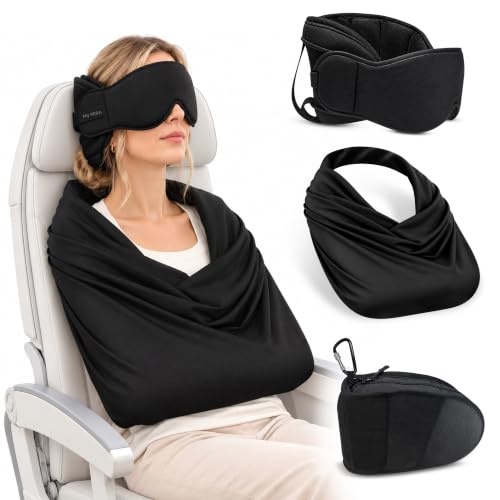
- A contoured sleep mask that does not press on your eyelids
- Foam earplugs or over-ear noise-reducing headphones
- A lightweight layer such as a zip-up hoodie or wrap
- Compression socks rated for travel, applied before boarding
- A small lumbar cushion or rolled towel for lower-back support
- A refillable water bottle, empty through security
- Lip balm, hand lotion and a travel-size moisturizer for dry cabin air
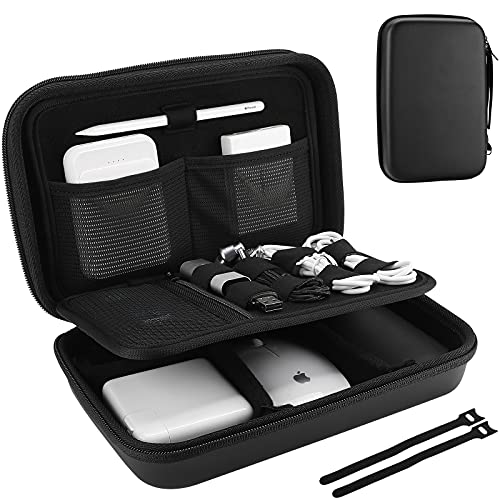
- A small pouch with a charging cable and a portable battery
Choose Support Products That Match Your Body
Neck pillows are the most-bought item in this category, and also the most often returned. Fit matters more than brand. Test the pillow at home by sitting upright and tilting your head to each side; it should hold your head at a natural angle without pushing your chin down. For lower back, a cushion that is about two inches thick usually fills the gap between your spine and the seatback without pushing you forward.
Compression socks should be fitted to your calf measurements. Manufacturers typically list sizing charts by ankle and calf circumference, so measure before you buy. If you have a history of circulation problems, blood clots or swelling, check with your doctor before using compression wear on long flights.
Plan Your Layers and Sleep Setup
Cabin temperatures swing. Pack one layer you can wear over your clothing and one you can use as a blanket. A scarf works as both a head wrap and a shoulder cover. Keep these items out of the overhead bin so you can reach them mid-flight without standing up in the aisle.
A Simple Sleep Sequence
Put on your compression socks and layer before boarding. After takeoff, set your neck pillow, put on the eye mask and earplugs, and recline as far as the seat allows. Waking up for meals and bathroom breaks is easier when your gear is already packed in one pouch you can zip shut.
Common Mistakes
- Buying a neck pillow without testing the fit first
- Packing everything in the checked bag, then arriving without sleep gear
- Forgetting a layer because the departure gate was warm
- Skipping water and lotion, which leaves you dehydrated and dry by the time you land
- Overloading your personal item so it will not fit under the seat in front of you
Recommended Gear
A supportive neck pillow is the single item most travelers say they notice first, so start there. An eye mask with contoured cups keeps pressure off your eyelids during sleep. A pair of over-ear noise-reducing headphones helps on engine-heavy flights where earplugs alone may not be enough.
FAQ
Do I need all nine items for a short flight?
No. For flights under three hours, a neck pillow, a layer and water are usually enough. Add the rest only if you plan to sleep or the cabin tends to run cold or dry.
Where should I keep comfort accessories during the flight?
Keep them in your personal item, in an outer pocket you can reach while seated. Avoid the overhead bin, since you will need to stand up to get things down.
Are compression socks worth using on every flight?
They are most useful on flights longer than about four hours or for travelers prone to leg swelling. If you have a medical condition affecting circulation, consult a doctor before wearing them.
Conclusion
Pick the accessories that match your flight length and body, not the longest list you can find. A neck pillow that fits, a layer you can adjust, and a sleep setup you can reach without standing up will cover most long-haul needs. Pack them in one pouch, test your fit before you travel, and you will step off the plane feeling noticeably better.
Related reading
- Top 3 Big and Tall Travel Accessories with Long-Flight Comfort
- Must Have Airplane Travel Accessories: 9 Essentials for Your Next Flight
- Airline Travel Comfort Accessories: 9 Essentials for a Better Flight
- 3 Best Travel Accessories for Airplane Trips Compared (2026)
- Essentials for Airplane Travel: 4 Best Picks for Comfort in 2026
- iPhone Camera Accessories for Travel: 9 Picks for Better Trip Photos
Ready to choose one?
About Colin Foster
Colin Foster is part of our editorial team and reviews and edits our travel essentials & packing lists guides, checking product details against manufacturer specifications and owner feedback.