 By Colin Foster
Updated November 2026
A rick steves packing list for Europe is built around one idea: travel light enough to carry your bag up cobblestone streets, onto trains and into small hotels without a lift. This guide walks you through the core checklist, how to pick clothing that works across many cities, and the mistakes that cause overpacking. By the end, you will have a bag plan you can finish in an evening.
Start With a Carry-On Size Limit
The whole approach depends on fitting everything into one carry-on backpack or wheeled bag, usually around 40 liters for a backpack. Set that limit before you pick a single item. If something does not fit, it stays home. Most European trains have limited luggage space, and many older hotels have no elevator, so a bag you can lift alone matters more than extra room.
Shopping for one? See our guide: Packing List for Europe Summer Male: 4 Best Picks for Men (2026).
Pack Clothing in a Mix-and-Match Capsule
Plan clothing around two or three neutral colors so every top works with every bottom. For a two-week trip, most travelers manage with:
- 5 to 6 tops, including one or two that dry overnight
- 2 bottoms, such as trousers and a skirt or shorts
- 1 light layer, like a fleece or thin sweater
- 1 rain shell that packs small
- 7 pairs of underwear and 5 pairs of socks
- 1 pair of comfortable walking shoes and one dressier pair
Choose fabrics that resist wrinkles and dry within a few hours. Wash one set in the sink every few days rather than packing extra.
Build the Essentials and Documents List
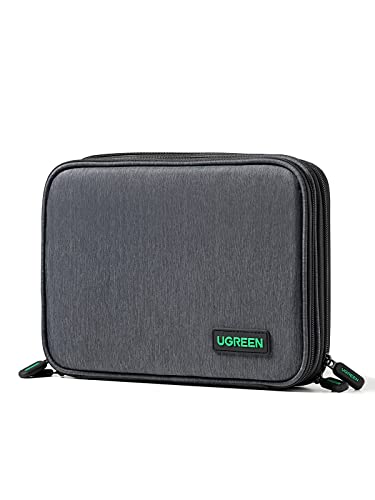
Keep documents and electronics in a small pouch you can grab at airports and checkpoints. Include:
- Passport, with at least six months of validity beyond your return date
- Printed copies of reservations, plus a photo of your passport stored on your phone
- A universal plug adapter with USB ports, since most of Europe uses Type C and F plugs at 230 volts
- Phone charger, power bank and a short charging cable
- Prescription medication in the original labeled containers, with a copy of your prescription
- Toiletries in containers of 100 milliliters or less, kept in a clear quart-size bag for airport screening
Check your phone plan for European roaming before you leave, and download offline maps for each city.
Plan Your Daypack and Money Setup
A small daypack, under about 20 liters, holds water, a rain layer, a guidebook and your camera for daily sightseeing. Keep it zippered and worn in front in crowded areas. Carry a debit card and a credit card in separate places, and a small amount of local currency for markets and small cafes that may not take cards. For medical or insurance questions, consult a travel insurance professional before you buy a policy.
Recommended gear
- A compact packing cube set, because it keeps outfits organized and makes repacking between hotels quicker. View on Amazon
- A universal travel adapter with several USB ports, since it covers multiple devices in one plug. View on Amazon
- A lightweight rain shell that stuffs into its own pocket, which works well for the unpredictable weather common in European spring and fall. View on Amazon
Common Mistakes and Tips
- Packing for every possible weather scenario instead of checking the forecast for your specific months.
- Bringing hair dryers and full-size toiletries, which many hotels already provide or which fail airport limits.
- Choosing jeans as your only bottoms. They are heavy and slow to dry after rain.
- Leaving no room for souvenirs. Keep about 10 percent of your bag empty for purchases.
- Skipping a test pack. Lift your fully packed bag and walk around your home for ten minutes before you leave.
FAQ
How many outfits do I need for two weeks in Europe?
Most travelers do well with five to six tops, two bottoms and one layer, mixed so each piece works with the others. Plan to hand-wash one set every few days. Worth reading next: Rick Steves Packing List PDF: A Step-by-Step Checklist for Europe.
Do I need a special adapter for Europe?
Yes, most countries use two-prong plugs, so a universal adapter is useful. Choose one that works with Type C and F plugs and includes USB ports for charging.
Should I bring a rain jacket or an umbrella?
A packable rain jacket is usually the better choice, since it keeps your hands free and stores small. An umbrella can be useful in heavy rain, but it takes more space and can be awkward in crowds.
Conclusion
A solid rick steves packing list for Europe comes down to a carry-on-sized bag, a small mix-and-match wardrobe and a tight documents pouch. Test-pack your bag before departure and leave room for what you buy. For more detail by trip length and season, see Travel Packing List for Europe: A Step-by-Step Guide (2026) and Packing List for a Trip to Europe: Essentials for Any Length.
Related reading
- Women's Packing List for 2 Weeks in Europe: A Practical Guide
- Winter Packing List for Europe: What to Bring for Cold-Weather Trips
- Printable Packing List for Europe: 5 Best Picks for Every Trip
Ready to choose one?
About Colin Foster
Colin Foster is part of our editorial team and reviews and edits our travel essentials & packing lists guides, checking product details against manufacturer specifications and owner feedback.