 By Colin Foster
Updated November 2026
A good packing list for Europe in spring covers three things: layers for temperatures that swing 15 degrees or more in a single day, one reliable rain layer, and shoes you can walk in for hours. This guide shows you how to build that list around your trip length and the cities you plan to visit, so you pack one bag that works from a cool morning in Paris to a warm afternoon in Rome.
Start With Spring Weather Across Europe
Spring in Europe is unpredictable. Lisbon and Madrid can reach the low 70s°F by afternoon, while Vienna, Prague and Edinburgh often stay in the 50s and bring drizzle. Mountain towns and high-elevation sights can still feel wintry in early April. Check the typical highs and lows for each city on your route, then pack for the coldest morning and the wettest day you are likely to face, not the average.
Shopping for one? See our guide: Packing List for Europe Summer Male: 4 Best Picks for Men (2026).
Build Your Clothing Around Layers
Layers let you adjust without buying a new jacket every time the weather changes. Plan around three pieces you can combine:
- Two or three base tops in merino or synthetic blends, which dry faster than cotton after a rainy walk.
- One mid layer, such as a fine-knit sweater or light fleece, for cool evenings and early trains.
- One outer layer that blocks wind and rain, ideally with a hood.
For bottoms, pack two pairs of pants that can handle both chilly days and warmer afternoons, plus one pair of jeans or a skirt if you want a dressier option for dinner. Count outfits by days, not by clothing items: a 7-day trip with one carry-on usually works with five to six tops and three bottoms, with laundry if you stay longer.
Choose Shoes and Rain Gear
You will likely cover 5 to 10 miles a day on cobblestones, so shoes matter more than anything else on this list. Bring one pair of broken-in walking shoes with good grip and one pair of dressier shoes or sandals if you expect warm days. Wet cobblestones are slippery, so choose soles with traction rather than smooth leather.
A packable rain jacket is more useful than an umbrella on windy streets and crowded sidewalks. Pair it with a compact umbrella only if you are prone to getting caught in downpours. Items like these fit into a daypack easily and help when a shower starts without warning.
Packing List for Europe in Spring: Checklist
- Layers: 2 to 3 base tops, 1 mid layer, 1 waterproof outer layer
- Bottoms: 2 to 3 pants or jeans, 1 dressier option
- Walking shoes, plus one dressy or sandal option
- Lightweight scarf and a hat or beanie for early mornings
- Compact umbrella or packable rain jacket
- Daypack that folds or stows in your carry-on
- Adapter for plugs used in your countries (Type C and F are common)
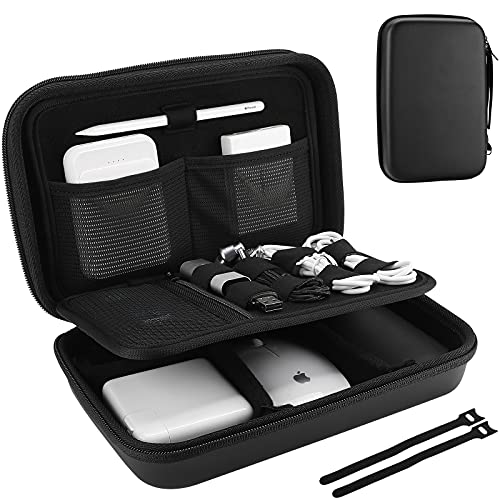
- Phone charger, power bank and a copy of travel insurance details
- Toiletries in containers of 3.4 ounces or less for carry-on
- Prescription medications in original labeled containers
If you are comparing options for longer stays, the approach in Women's Packing List for 2 Weeks in Europe: A Practical Guide and Men's Packing List for 2 Weeks in Europe: One Carry-On Plan shows how to scale this list for two weeks in one bag. For a broader starting point, Travel Packing List for Europe: A Step-by-Step Guide (2026) walks through the packing order.
Plan for Sightseeing and Cooler Destinations
If your trip also includes high-elevation towns or a river cruise, adjust your layers rather than doubling your bag. The guide to Packing List for Europe in October: A Season-Ready Checklist covers similar shoulder-season weather that applies to late spring trips too. For cooler stops, Winter Packing List for Europe: What to Bring for Cold-Weather Trips explains how to add a warmer layer without overpacking.
Common Mistakes
- Packing for one kind of weather only. Spring trips need both warm-day and cold-day options.
- Bringing brand-new shoes. Break them in for at least a week before you leave.
- Overpacking jackets. One waterproof outer layer and a mid layer usually cover most conditions.
- Forgetting plug adapters, which are needed across most of the continent.
- Skipping a daypack. You will need one for day trips and carrying a rain layer.
Recommended Gear
- Eagle Creek Pack-It Specter packing cubes: Organize tops, bottoms and layers so you can find items quickly in small hotel rooms. View on Amazon
- Travelon Anti-Theft crossbody bag: A secure daypack or crossbody keeps your passport and phone close in crowded train stations. View on Amazon
- Ceptics universal travel adapter: Covers the plug types used across most European countries. View on Amazon
FAQ
How many clothes do I need for a 2-week spring trip to Europe?
Most travelers do well with 7 to 10 tops, 4 bottoms and 2 pairs of shoes, then do laundry once or twice. This keeps the bag within carry-on size while still covering rain and warm days.
Should I bring a heavy coat in spring?
Usually no. A mid layer and a waterproof outer layer handle most spring conditions, though a warmer jacket can help if you plan to visit mountain regions in early April.
Is a packing list for Europe in spring different from one for summer?
Yes. Spring needs more layers and rain protection because temperatures change more during the day, while summer lists focus on lighter fabrics and sun protection.
Conclusion
A solid packing list for Europe in spring relies on layers, one waterproof outer piece and shoes you can walk in all day. Build your list by trip length and city, then check the weather a week before you leave. Consult a medical professional before travel if you have health concerns that affect your medication or vaccination needs.
Ready to choose one?
About Colin Foster
Colin Foster is part of our editorial team and reviews and edits our travel essentials & packing lists guides, checking product details against manufacturer specifications and owner feedback.