 By Colin Foster
Updated November 2026
An essential packing list for Europe covers the documents, clothing, electronics and carry-on items you will use every day, whether you are visiting for a long weekend or a month. This guide walks you through building that list step by step, so you finish with a checklist sized to your trip and a bag that closes without a fight. The core idea is simple: pack for the climate and the rhythm of European travel, not for every possible scenario.
Start With Documents and Money
Begin with the items you cannot replace on the road. Check that your passport is valid for at least three months beyond your planned departure from the Schengen Area, since many countries enforce this rule at the border. Make a digital copy of your passport, travel insurance and reservations, and keep a paper copy in a separate bag. Bring a debit card and a credit card, and let both banks know your travel dates.
Shopping for one? See our guide: Packing List for Europe Summer Male: 4 Best Picks for Men (2026).
Build Your Clothing Around Layers
European weather shifts quickly, especially in spring and autumn, and many churches and museums are cool even on warm days. Plan for three to four days of clothing before you need to do laundry, then add layers you can combine.
- Two or three tops that work with the same bottoms
- One pair of jeans or trousers and one lighter pair
- A lightweight packable rain jacket with a hood
- One warm layer, such as a fleece or merino sweater
- Two pairs of comfortable walking shoes you have already broken in
- Socks and underwear for the number of days between laundry stops
- One outfit suitable for dinner or a nicer venue
Pack the Electronics and Adapters
Europe uses Type C and Type F plugs at 230 volts, while US devices run at 120 volts. Most phone and laptop chargers accept a wide voltage range, but check the label on each device before you plug it in. A universal travel adapter with a built-in USB port keeps your kit to one piece. Add a portable battery pack sized for a full phone charge, and carry your chargers in a small pouch so nothing gets left in a hotel room.
Organize the Carry-On Essentials
Keep the items you need during the flight and the first night in your carry-on. Place medications, a change of underwear, a toothbrush and your chargers in this bag in case checked luggage is delayed. Liquids for the carry-on must fit in containers of 3.4 ounces (100 milliliters) or less, placed in a single quart-sized bag. Keep your passport and boarding documents in an outer pocket where you can reach them at security and at border control.
Quick Reference Checklist
| Category | Items to confirm before you leave |
|---|---|
| Documents | Passport (3+ months validity), insurance, reservations, copies |
| Clothing | 3–4 days of outfits, rain layer, warm layer, two pairs of shoes |
| Electronics | Type C/F adapter, chargers, power bank, earbuds |
| Health | Prescriptions in original bottles, pain reliever, blister plasters |
| Carry-on | Liquids bag, change of clothes, passport, boarding pass |
Common Mistakes to Avoid
- Packing too many pairs of shoes. Two pairs cover most itineraries.
- Forgetting that many European hotels have smaller bathrooms and fewer amenities.
- Assuming every adapter works in every country. Confirm the plug type for each stop.
- Relying on a single card. Carry a backup card stored apart from the first.
- Overpacking for the trip length. Plan to wash clothes midway for trips longer than a week.
For more detail on specific trip types, see Packing List for a Trip to Europe: Essentials for Any Length and Travel Packing List for Europe: A Step-by-Step Guide (2026). If you are traveling in cooler months, Winter Packing List for Europe: What to Bring for Cold-Weather Trips covers the extra layers you will need.
Recommended Gear
A universal travel adapter with multiple USB ports simplifies charging across several European countries. View on Amazon
A packable rain jacket folds into a small pocket and handles sudden showers in cities and on hiking routes. View on Amazon
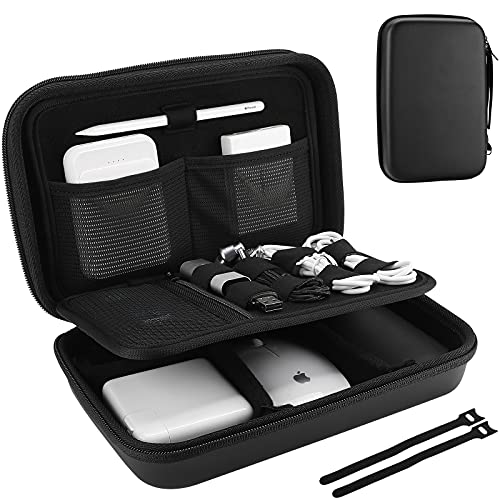
A compact organizer pouch keeps chargers, cables and small items together so nothing gets lost in a hotel room. View on Amazon
FAQ
Do I need a special adapter for Europe?
Yes, most European outlets use Type C or Type F plugs, so a US plug will not fit without an adapter. Choose a universal model that covers both types and check your device’s voltage rating.
How many days of clothes should I pack?
Packing three to four days of outfits and planning one laundry stop works for most trips. Longer trips benefit from a mid-trip wash rather than a larger bag.
Is a passport required for travel within Europe?
Yes, you need a valid passport for travel between Schengen countries and for entering the Schengen Area from the US. Carry it at all times, and consult your government’s travel website or a travel professional for the latest entry requirements.
Conclusion
A solid essential packing list for Europe covers your documents, a layered wardrobe, the right adapter and a carry-on kit you can reach without unpacking. Use the checklist above, adjust it for your season and trip length, and do a final check the night before you leave. A bag packed this way will carry you through the trip without surprises.
Related reading
- Packing List for Northern Europe Cruise: Layers, Essentials and a Checklist
- Women's Packing List for 2 Weeks in Europe: A Practical Guide
- Printable Packing List for Europe: 5 Best Picks for Every Trip
Ready to choose one?
About Colin Foster
Colin Foster is part of our editorial team and reviews and edits our travel essentials & packing lists guides, checking product details against manufacturer specifications and owner feedback.