 By Emily Parker
Updated November 2026
High quality travel accessories are the items that hold up under repeated packing, rough baggage handling, and changing climates without falling apart after a few trips. This guide walks you through how to evaluate them: what to look for in materials, construction, hardware, and design, and how to tell real durability from marketing language. By the end, you will have a repeatable method for sorting good gear from disposable gear, whatever category you are shopping for.
Start With How You Actually Travel
Quality is relative to use. A set of packing cubes that suits a two-night business trip may be wrong for a three-month backpacking route. Before you compare any products, write down how you travel.
Shopping for one? See our guide: 3 Best Travel Photography Accessories for Better Trip Photos (2026).
- Trip length and frequency (weekend trips, monthly flights, or one long trip per year)
- Mode of transport (checked luggage, carry-on only, car, train, or camping)
- Climate and conditions (humidity, rain, dust, cold, or heat)
- Items you carry daily (phone, laptop, passport, medications, camera)
- Whether you pack light or pack to the weight limit
A frequent flyer who checks a bag every week will stress zippers and handles far more than someone who takes one trip a year. Let that pattern set your minimum standard.
Evaluate Materials Before Features
Material determines how a bag or accessory handles abrasion, moisture, UV exposure, and temperature swings. Feature lists look impressive, but a well-built item in a weak material will still wear out.
Common Materials and What They Do Well
| Material | Strengths | Watch For |
|---|---|---|
| Ballistic nylon | Abrasion resistance, tear strength | Heavier than lighter fabrics |
| Cordura or similar high-denier nylon | Durable in daily carry and checked luggage | Check whether the denier is listed; higher numbers generally mean heavier, tougher fabric |
| Polyester (coated) | Water resistance, color retention | Coating can wear off with age |
| Full-grain leather | Ages well, strong seams when stitched properly | Needs conditioning; heavy and sensitive to moisture |
| TPU or polyurethane-coated fabric | Water resistance, flexibility | Can become sticky or crack in extreme heat or cold |
| Thin, unlabeled polyester | Lightweight and inexpensive | Often tears at stress points and seams |
When a product lists no fabric type or denier at all, treat that as a warning sign. Manufacturers that stand behind their materials usually say what they are.
Check the Weight-to-Strength Balance
Very light gear is not automatically a problem, but light gear that also claims heavy-duty use deserves scrutiny. Compare the listed weight against the fabric and build. A lightweight pouch in a sturdy fabric can be a good design. A lightweight suitcase with thin shell walls will likely flex and crack under load.
Inspect the Stitching and Seams
Stitching is where most travel gear fails first. Look at the seams before you look at the logo. A related read: 6 Best Travel Gear and Accessories for Frequent Flyers (2026).
- Count stitches per inch if the manufacturer lists it. Denser stitching usually means stronger seams. Many well-made bags use stitching that is evenly spaced and tight, with no loose threads.
- Check for bar tacks, which are short dense stitch blocks at stress points like strap anchors, handle joints, and zipper ends.
- Look for double or reinforced seams on load-bearing areas, especially where straps attach.
- Examine the thread. Bonded nylon or polyester thread resists fraying better than basic cotton-wrapped thread.
- Note whether the seams are sealed in waterproof products. Taped or welded seams matter for rain protection.
Test the Zippers and Hardware
Zippers fail more often than fabric on most travel bags. A few checks in the store, or on arrival at home, will tell you a lot.
- Zipper type: Coil zippers (nylon) are flexible and common on soft luggage. Metal zippers suit heavy-duty bags but can snag. Look for YKK-branded zippers, a recognized manufacturer, as a reasonable quality signal.
- Slider action: The slider should move smoothly and stay on track without catching. Run it open and closed several times.
- Pull tabs: Look for substantial pulls that are anchored well. Thin tabs break easily and can be hard to grip with gloves or wet hands.
- Buckles and clasps: Acetal (POM) plastic and metal buckles generally hold up better than cheap molded plastic. Snap the buckle shut and check that it locks firmly.
- Wheels and handles: On rolling luggage, wheels should spin freely and swivel without wobble. Telescoping handles should lock at every extension and feel solid when fully extended.
Assess Design and Real-World Function
A high quality accessory works well in the situations you will actually face. Good construction does not help if the layout creates frustration.
Compartments and Organization
Look for compartments sized to fit what you carry. A passport pocket that is too shallow lets documents slide out. A laptop sleeve that fits a 13-inch device with no room for the charger creates a second bag to carry. Measure your key items before you buy.
Ease of Access
Think about how you reach things. Front-opening panels on a suitcase make it easier to find items without unpacking the whole bag. Top-access pockets on a backpack keep quick items reachable at the airport.
Repairability
Some manufacturers offer repair services or sell replacement parts such as wheels, zippers, and handles. Check whether replacement parts are available before you buy, especially for expensive items you plan to keep for years.
Read Warranties and Return Policies Carefully
A written warranty is a useful signal of confidence. Read the terms rather than the headline. Many warranties cover manufacturing defects but exclude airline damage, normal wear, or misuse. Note whether the company asks for proof of purchase, how long the coverage lasts, and whether repairs are handled in-house or through a third party. A clear return window also gives you time to test the item at home.
Common Mistakes
- Judging quality by brand name alone. Strong marketing does not always mean strong construction, and some lesser-known makers build excellent gear.
- Ignoring the lining and interior seams. Cheap linings tear and shed, and interior seams can fail even when exterior seams look sound.
- Buying for the best-case trip. Pack for your heaviest, most demanding trip, not your easiest one.
- Overlooking weight limits. A strong bag that weighs too much may cost you at check-in.
- Assuming waterproof means submersible. Many “water-resistant” items handle rain but not immersion. Read the exact rating.
- Skipping the test. Open, close, load, and carry the item before the return window closes.
Tips for Making a Confident Choice
- Build a short list of must-have features, then rank the rest. Be ready to give up a nice-to-have for durability.
- Compare two or three similar items side by side, checking the same points each time: material, stitching, zippers, handles, and weight.
- Read owner reviews for long-term reports. Owners often report on how gear held up after six months or a year, which tells you more than first impressions.
- Load the bag with a realistic packing load before you travel. Stress points show up quickly under weight.
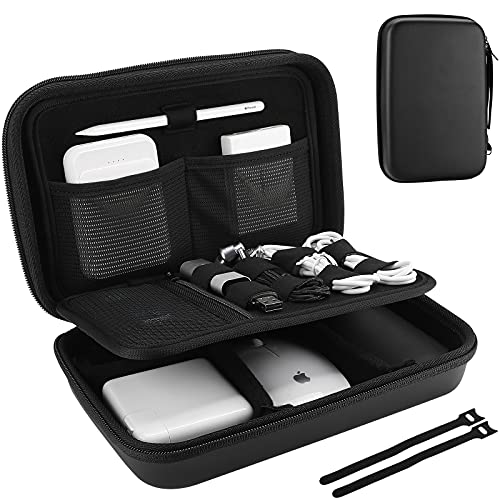
- If you travel with a specific item, such as a laptop, camera, or phone, start with our guide to Travel Case for Tech Accessories: How to Choose and Pack One (2026) for protection-focused options.
Recommended gear
These products suit the kinds of trips where durability and organization matter most. Check current specs and materials on the product page before you buy, since models change over time.
- Eagle Creek Pack-It Specter Packing Cubes: Lightweight, compression-capable cubes that keep clothing organized and compressed for carry-on packing. View on Amazon
- Osprey Farpoint 40 Travel Backpack: A carry-on-friendly travel pack with a padded laptop sleeve and a zippered front panel for quick access. View on Amazon
- Tile Mate Bluetooth Tracker: A small tracker that attaches to bags or keys and works with a companion app to help locate lost items. View on Amazon
For a wider view of premium options, see High End Travel Accessories: 9 Premium Essentials Worth Packing (2026), and for specialized gear, Travel Accessories for Flying: 9 Essentials for a Smoother Trip covers airport-focused picks.
FAQ
What makes a travel accessory high quality?
High quality travel accessories use durable materials, reinforced stitching at stress points, smooth and sturdy zippers, and well-attached hardware. They also function well for the way you travel, with layouts and capacities that match your needs.
Is expensive always better?
No. Price does not guarantee construction quality. Compare materials, stitching, and hardware directly, and read long-term owner reports before deciding a higher-end model is worth it.
Which material is best for travel bags?
High-denier ballistic nylon and Cordura-style fabrics are widely used for durable bags. Full-grain leather ages well for carry-on and personal items. The right choice depends on whether you need abrasion resistance, water resistance, or a classic look.
How can I test a bag before the return window closes?
Load it with realistic weight, open and close every zipper repeatedly, extend and lock any handles, roll the wheels across different surfaces, and carry it for several minutes. Check the seams after each step.
Do warranties cover airline damage?
Many warranties exclude airline or carrier damage, though some brands handle it under separate programs. Check the terms and keep proof of purchase. Airlines may also have their own claim process for checked bags.
How often should I replace travel accessories?
There is no fixed schedule. Replace items when zippers stop closing reliably, seams split, wheels or handles fail, or fabric is torn in ways that cannot be repaired. Gear used heavily may need replacement sooner.
Are waterproof travel accessories fully waterproof?
Not always. Water-resistant items handle light rain, while waterproof items may be rated for submersion or heavy exposure. Check the specific rating and whether zippers are sealed. For valuable electronics, use a dedicated protective case as well.
Should I buy travel accessories in a set?
Sets can be convenient, but evaluate each piece on its own merits. A set may include one excellent item and one weak one. Buying individually often lets you prioritize durability where it matters most.
Conclusion
High quality travel accessories come down to a few checkable traits: suitable materials, strong stitching, reliable zippers and hardware, and a layout that fits how you travel. Start by defining your trip needs, then inspect each item against the criteria above before you buy. A careful evaluation now means gear that keeps performing across many trips. For a consultation on specialized needs, such as medical items or high-value electronics, check with the relevant professional or the manufacturer.
Ready to choose one?
About Emily Parker
Emily Parker is part of our editorial team and reviews and edits our travel essentials & packing lists guides, checking product details against manufacturer specifications and owner feedback.