 By Caleb Morgan
Updated November 2026
Travel essentials for Paris come down to a short list of items that handle walking-heavy days, mixed weather, European electrical outlets, and a city that rewards carrying light. By the end of this guide, you will have a packing checklist you can adapt to a weekend trip or a two-week stay, along with a sense of which items deserve space in your bag and which can stay home.
Start With Your Trip Length and Luggage Limits
Before you build a list, settle two numbers: how many days you will be away and what size bag you can realistically carry. Paris has cobblestones, Metro stairs without elevators at many stations, and five-flight walk-ups in some older buildings. A bag you can lift alone with one hand on a stair rail is a practical limit.
Shopping for one? See our guide: Plane Carry On Essentials: 4 Best Travel Bottles for Every Flight.
For trips of five days or fewer, a carry-on-sized roller with a soft-sided daypack is usually enough. For longer stays, plan on laundry every four to six days rather than packing for the full trip. If you are combining Paris with other stops, see our guide to Travel Essentials for Plane Trips: 12 Items to Pack for Any Flight for what to keep within reach on the flight over.
Quick sizing rules
- Weekend (2–3 days): carry-on bag plus a small daypack
- One week: carry-on or medium checked bag, daypack, laundry plan
- Two weeks or more: one checked bag at most, with packing cubes and a wash day
Pack the Core Documents and Money Items
Paris is a major tourist destination, and pickpocketing on the Metro, at busy sites, and around Gare du Nord is a documented concern. Keep important items in more than one place and avoid storing everything in a single wallet.
- Passport, valid for at least three months beyond your planned departure from the Schengen area. Confirm current entry rules before you travel, since they change.
- A printed copy of your flight, lodging, and travel insurance details, plus a digital copy saved offline.
- A credit card with no foreign transaction fee and a debit card as backup. Notify your bank of the travel dates.
- A small amount of euros for markets, tips, and small cafés that may prefer cash, though card payment is widely accepted.
- A slim crossbody or anti-theft bag that closes with a zipper and sits in front of you in crowds.
Plan for Electricity and Connectivity
France uses Type C and Type E outlets rated at 230 volts. US devices need a plug adapter to fit the round two-prong sockets, and most laptops, phones, and cameras handle the voltage automatically. Check the power brick label on each device for a rating that reads 100–240V. Hair dryers and straighteners often do not, so a dual-voltage model or a local purchase may be the better choice.
A compact power bank helps on long museum and walking days when maps and translation apps drain batteries quickly. Carry the cable for it too. Many hotels have fewer outlets than expected, so a small multi-port charger can save you from juggling cords at night.
Build a Walking-First Clothing List
Paris is a city of long walks. Plan on five to fifteen miles on a typical sightseeing day, with stairs, uneven pavement, and rain-slick stone. Shoes matter more than any other clothing choice.
Footwear
Bring two pairs at most: one broken-in pair of walking shoes or low-profile sneakers, and one dressier option for dinners and the opera or concerts. Avoid brand-new shoes; blisters are the most common complaint from first-time visitors.
Layers and rain protection
Spring and autumn temperatures often range from the 40s to the 60s Fahrenheit, and rain is frequent in every season. A packable rain shell, a lightweight sweater or cardigan, and a scarf cover most conditions. Dress in darker, neutral tones, which blend in and show fewer marks from city life. For colder months, see Winter Travel Essentials: Packing for Cold-Weather Trips for insulation and layering ideas that also work in Paris.
Organize Your Daypack and Carry Items
Your daypack carries the things you reach for most often while walking. Set it up so the high-use items sit in the outer pockets and the valuables stay zipped inside.
| Item | Why it matters in Paris |
|---|---|
| Refillable water bottle | Tap water is safe to drink; public fountains are common |
| Compact umbrella | Sudden rain is frequent and shops sell umbrellas at higher prices |
| Small pack of tissues or hand sanitizer | Public restrooms often charge a small fee and may lack supplies |
| Metro or museum pass cards | Keep them accessible so you are not digging through a bag at gates |
| Printed map or offline map download | Useful when phone battery runs low |
| Foldable tote | Handy for market visits and grocery stops |
Handle Health, Comfort, and Daily Basics
Paris pharmacies are easy to find and clearly marked with a green cross, but bringing your own regular medications is essential. Pack them in original containers with a copy of your prescription. Carry any over-the-counter remedies you rely on, such as pain relievers, antacids, or allergy medicine, since brand names and dosages differ abroad.
- Prescriptions in original labeled bottles, with a 10–14 day supply beyond your trip length
- Blister bandages and moleskin for walking days
- Travel-size toiletries, within airline liquid limits of 3.4 ounces per container for carry-on
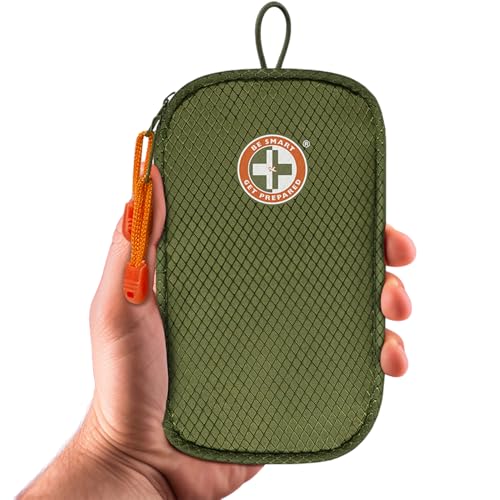
- A basic first-aid kit with antiseptic wipes and motion sickness tablets if needed
If you have a chronic condition or take medication with strict timing, talk with your doctor or pharmacist before you leave about travel supplies and time zone changes.
Common Mistakes to Avoid
- Packing too many shoes. Two well-chosen pairs are plenty. Extra pairs add weight you will carry up and down stairs.
- Forgetting the outlet adapter. Hotels rarely provide one, and shops near your lodging may not stock them.
- Relying on one payment method. Card readers occasionally fail, and some small shops or machines have restrictions.
- Carrying valuables in an open or back pocket. Choose a secure, front-facing bag for crowded areas.
- Overpacking for a city trip. Paris laundromats and small dry cleaners exist for longer stays.
- Skipping the offline map. Metro coverage is good, but signal can be weak underground.
Tips for a Smoother Paris Trip
- Place a luggage tag inside and outside your bag with your contact details.
- Keep a small zip pouch with spare phone charger cables, earbuds, and a sleep mask for overnight flights.
- Learn a few French phrases such as “bonjour,” “merci,” and “excusez-moi.” Greeting shopkeepers before asking questions is appreciated.
- Save your hotel address in French for taxi drivers and show it on your phone if needed.
- For a multi-stop trip, read Travel Essentials for Teens: A Packing Checklist for Every Trip or Travel Essentials for Backpackers: 10 Items to Pack for Any Trip if you are traveling with a younger group or moving light.
Recommended gear
A few well-chosen items make Paris logistics easier, and each one earns its place in a city bag.
- Universal travel adapter with USB ports. A compact multi-port adapter covers the French outlet type and lets you charge several devices at once. View on Amazon
- Anti-theft crossbody bag. A zippered crossbody with a hidden back layer helps keep passports and cards out of reach of pickpockets in crowded spaces. View on Amazon
- Packable rain jacket. A lightweight shell that folds into its own pocket is useful for Paris drizzle without taking up much room. View on Amazon
- Compact portable power bank. A slim battery pack keeps maps and translation apps running through long museum and walking days. View on Amazon
FAQ
Do I need a special adapter for Paris?
Yes. France uses Type C and Type E plugs with 230-volt power, so US plugs need a travel adapter. Check your device chargers for a 100–240V rating so you know whether a voltage converter is needed.
What shoes are best for walking in Paris?
Broken-in, cushioned walking shoes or low-profile sneakers with good grip work well on cobblestones and stairs. Bring one dressier pair for evenings and avoid brand-new shoes.
Is tap water safe to drink in Paris?
Tap water in Paris is generally considered safe to drink, and public fountains are common. A refillable bottle is a practical way to stay hydrated while walking.
Should I bring cash or rely on cards?
Cards are widely accepted in Paris, including at many small shops and restaurants. Carry a modest amount of euros for markets, tips, and occasional places that prefer cash, and keep a backup card.
How much should I pack for a week in Paris?
Most travelers do well with a carry-on-sized bag for one week, with about five to six tops, two bottoms, one dressier outfit, and a light jacket. Plan one laundry stop for longer trips.
What should I do about pickpockets?
Use a zippered bag worn in front, avoid leaving phones on café tables, and keep valuables in an inside pocket on the Metro and at busy sites. Be alert around crowded stations and tourist hotspots.
Do I need travel insurance for Paris?
Travel insurance is worth considering because it can cover medical care, trip interruption, and lost belongings. Review policy terms carefully and consult an insurance professional about coverage that fits your situation.
Can I bring my prescription medications to France?
Generally yes for personal supply, but rules vary by medication. Carry medications in original labeled containers with a copy of your prescription, and check with the French embassy or a healthcare professional before departure if you take controlled substances.
Conclusion
Packing for Paris is mostly about comfort on your feet, reliable power and payments, and a secure daypack for city days. Build your list around your trip length and luggage limits, then add the documents, electrical gear, and rain protection that match the season. Keep the bag light, and Paris will be easier to enjoy one block at a time.
Ready to choose one?
About Caleb Morgan
Caleb Morgan is part of our editorial team and reviews and edits our travel essentials & packing lists guides, checking product details against manufacturer specifications and owner feedback.