 By Caleb Morgan
Updated November 2026
Travel essentials for backpackers come down to a short list of items that do real work on the road: a reliable pack, layers that dry fast, a way to keep your electronics charged, and a small kit for the problems that always show up eventually. This guide walks through how to decide what belongs in your bag, how to sort items by category, and how to avoid the common packing errors that leave people hauling things they never use.
The goal is a kit you can carry comfortably all day, that covers the climates and activities on your route, and that still leaves room for the souvenirs and surprises. Most of the decisions come down to trip length, destination and how much you plan to move between hostels, trains and trailheads.
Shopping for one? See our guide: Plane Carry On Essentials: 4 Best Travel Bottles for Every Flight.
Step 1: Set Your Packing Constraints First
Before you pick a single item, write down three numbers: how many days you will be gone, the expected temperature range, and the heaviest weight you are willing to carry for a full day. A common target is about 20 percent of your body weight for the pack when fully loaded, though many experienced travelers aim lower. Those three numbers will settle most arguments you have with yourself at the packing table.
Match your bag to the trip
A backpack in the 40 to 50 liter range suits most trips of one to three weeks when you plan to share laundry and buy toiletries on the road. Trips longer than a month, or trips in cold weather where bulky layers take up space, often push people toward 55 to 65 liters. Shorter weekend or carry-on-only trips usually fit a 30 to 40 liter daypack-style bag.
Check airline and transit rules
Carry-on dimensions vary by airline, and many budget carriers enforce strict limits on bag size and weight. Measure your pack fully loaded, and confirm whether the airline allows a personal item plus a carry-on. If you will travel by bus or train across several countries, a pack with a hip belt and a front-opening zip usually makes transfers easier than a top-loading bag.
Step 2: Build Your Core Kit by Category
Sorting items into categories keeps you from doubling up and makes it easier to repack quickly at hostel check-in or when you need something at the bottom of the bag. The categories below cover what most backpackers need on almost any trip.
Documents and money
- Passport, with at least six months of validity remaining if your destination requires it
- Printed and digital copies of your passport, travel insurance and booking confirmations
- A card or two from different banks, plus a small amount of local cash
- A slim neck or hidden pouch for documents you do not want to lose
Store copies separately from originals. A cloud folder you can access offline and a photocopy in your bag cover most emergencies.
Clothing and layers
Pack for layers rather than heavy single garments. Merino or synthetic base layers resist odor and dry faster than cotton. Plan on three to four tops, two bottoms (one quick-dry), underwear and socks for the number of days between laundry stops, one warm mid-layer, and a shell that blocks wind and rain. Rolling clothes tightly or using compression cubes keeps the pack organized, though compressing too hard wrinkles fabric and reduces ventilation in humid climates.
Electronics and power
- A phone and a compact power bank, typically in the 10,000 mAh range for a few extra phone charges
- A universal travel adapter that matches your destination plugs
- A multi-port USB charger so you can charge two or three devices from one outlet
- A short charging cable and a spare, since cables fail more often than people expect
- Earbuds or headphones, and a small offline map or guidebook saved to your phone
Airlines limit lithium battery size and sometimes require power banks to stay in the cabin. Check the rules for your carrier before you fly.
Health and hygiene
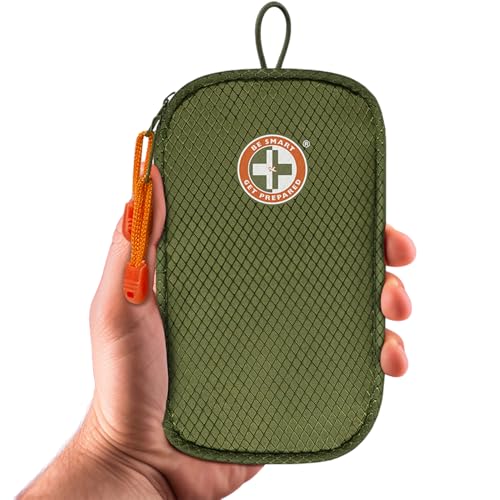
- A small first-aid kit with bandages, antiseptic wipes, blister treatment and any prescription medication in its original labeled container
- Pain relievers, antihistamines and anti-diarrheal medication, chosen with a pharmacist or doctor if you have medical conditions
- Travel-size toiletries, or solid versions of shampoo and soap to meet airline liquid limits
- Sunscreen, insect repellent and a lip balm with SPF
- Earplugs and a sleep mask for dorms and overnight buses
Medication needs vary widely, so speak with a healthcare professional before a trip, especially if you are traveling to regions with specific health advisories.
Safety and organization
- A padlock or cable lock for lockers and hostel bags
- A money belt or secure inner pocket for valuables
- Packing cubes or a set of zip bags to separate clean and dirty clothes
- A dry bag or waterproof pouch for electronics during rain, boat rides and river crossings
- A reusable water bottle, ideally one that filters or can be refilled safely at your destination
Step 3: Sort Items by Trip Type
The core kit above works for most trips, but a few additions depend on where you are going and what you plan to do. The table below shows how needs shift by trip style.
| Trip type | Add to the core kit | Leave behind |
|---|---|---|
| Hostel-hopping city tour | Lightweight day bag, pocket guidebook, travel towel | Hiking boots, bulky camping gear |
| Trekking or hiking | Sleeping bag liner, water purification tablets or filter, headlamp, blister kit | Dress shoes, multiple outfit changes |
| Beach and island | Quick-dry swimwear, reef-safe sunscreen, dry bag, flip-flops | Heavy outerwear, long boots |
| Cold-weather route | Insulated layers, hat, gloves, thermal socks | Extra shorts, sandals |
| Overland bus or train | Neck pillow, extra snacks, small blanket or sarong | Oversized luggage, check-in-only items |
If your trip includes a long flight, the items in our guide to long-flight comfort kits can help you arrive less exhausted. For an overview of carry-on-friendly gear, see Travel Accessories for Backpackers: 9 Essentials to Pack for Any Trip and Travel Accessories for Flying: 9 Essentials for a Smoother Trip.
Step 4: Test Your Pack Before You Leave
- Pack everything, then weigh the full pack on a bathroom scale. Subtract your own weight by weighing yourself holding it, if you want the exact load.
- Walk with the pack for 20 to 30 minutes, including stairs if possible. Adjust the hip belt so most weight sits on your hips, not your shoulders.
- Repack once, pulling out anything you have not used in the last month of normal life unless it is a true emergency item.
- Keep frequently used items, such as your phone, documents and a water bottle, in accessible pockets so you do not unpack the whole bag at every stop.
Common Mistakes to Avoid
- Packing for a best-case trip. Bring one rain layer and a basic first-aid kit even if the forecast looks clear.
- Carrying too many shoes. Two pairs, one walking and one sandal or lightweight option, cover most destinations.
- Skipping a power bank and adapter. Losing phone battery in an unfamiliar city can disrupt maps, bookings and translation apps.
- Overpacking toiletries. Most destinations sell basic shampoo, soap and sunscreen, so buy as you go.
- Forgetting to check local rules. Some countries restrict certain medications or require specific documentation.
- Packing heavy items you will not use often. Books, extra cables and spare gear add up quickly.
Tips for a Lighter, More Organized Pack
- Choose a color palette of two or three neutrals so every top works with every bottom.
- Wear your heaviest shoes and bulkiest jacket on travel days, which frees pack space.
- Keep a small list of what is in each packing cube, and label cubes by category if you use many.
- Leave about 10 percent of your pack empty for souvenirs, laundry or unexpected items.
- Store liquids in a clear bag so security checks go faster.
Recommended Gear
Good gear makes the core kit easier to carry and organize. These items are common choices among backpackers and are widely available.
- Osprey Farpoint 40 – A top-loading travel pack with a zip-away harness that works well for buses and train transfers. View on Amazon
- Eagle Creek Pack-It Specter Cube Set – A set of compression cubes that keep clothing sorted and reduce bulk in a backpack. View on Amazon
- Anker PowerCore 10000 – A compact power bank that fits in a jacket pocket and provides roughly one to two phone charges. View on Amazon
- Sea to Summit Ultra-Sil Dry Bag – A lightweight waterproof sack for electronics and documents on boats, beaches and rainy days. View on Amazon
FAQ
What size backpack is best for backpacking travel?
Most people find a 40 to 50 liter pack ideal for trips of one to three weeks. Longer trips or cold-weather routes may need 55 to 65 liters, while carry-on-only trips usually suit a 30 to 40 liter bag.
How much should a loaded backpack weigh?
A common guideline is to keep the loaded pack at or below about 20 percent of your body weight. Lighter is generally more comfortable for walking long distances and taking public transport.
Do I need a travel adapter or a voltage converter?
You usually need a plug adapter to match the outlet shape. Voltage converters are only necessary for devices not rated for the local voltage, and most modern phone and laptop chargers handle a wide voltage range.
What clothing fabric works best for backpacking?
Merino wool and synthetic quick-dry fabrics are popular because they dry faster than cotton and resist odor. Cotton is comfortable in hot, dry climates but takes longer to dry and holds moisture in humid weather.
Should I bring a sleeping bag liner?
A liner is useful for hostels with questionable bedding and for overnight buses where blankets are thin. It adds warmth and comfort in mild conditions and packs very small.
How many pairs of shoes should I pack?
Two pairs cover most trips: one comfortable walking shoe and one lightweight sandal or slip-on. Add a dedicated hiking boot only if your route includes trekking.
How do I keep valuables safe in hostels?
Use a padlock on lockers, keep valuables in an inner pocket or money belt, and avoid leaving electronics visible in shared rooms. Hostel staff can often advise on safe storage options at check-in.
Should I pack a first-aid kit?
Yes. A small kit with bandages, antiseptic wipes, blister treatment and any personal medication is worth carrying. Consult a healthcare professional about medications and vaccines for your specific destination.
Conclusion
Travel essentials for backpackers are most useful when they are chosen for your trip length, climate and planned activities rather than packed by habit. Start with your constraints, build a core kit by category, and test the pack before you leave. A lighter, well-organized bag makes every transfer, hostel check-in and long walk easier.
Related reading
- Work Travel Essentials Woman: 10 Items to Pack for Any Business Trip
- Women's Travel Essentials List: 3 Best Picks for Every Trip (2026)
Ready to choose one?
About Caleb Morgan
Caleb Morgan is part of our editorial team and reviews and edits our travel essentials & packing lists guides, checking product details against manufacturer specifications and owner feedback.