 By Emily Parker
Updated November 2026
Disney travel accessories for adults are the small, practical items that keep a park day from falling apart by mid-afternoon. This guide walks through what to pack, how to organize it, and which items are worth carrying for a multi-day trip. By the end, you will have a checklist you can adapt for your own group, whether you are heading to Orlando, Anaheim, Paris or Tokyo.
Start With Your Park Day Routine
Most adults underestimate how much walking a Disney day involves. Park maps commonly show routes that add up to well over 5 miles in a single day once you count detours to rides, restrooms, shows and snack stands. Before you buy or pack anything, map out a typical day: arrival, rope drop or midday, dinner, and the fireworks or evening show. Each stage points to a different accessory need.
Shopping for one? See our guide: 3 Best Travel Photography Accessories for Better Trip Photos (2026).
Questions to Answer Before You Pack
- Will you be in the parks for one day or several?
- Is the trip during summer heat, a cool season, or a rainy stretch?
- Are you traveling with a stroller-age child, a teen, or only other adults?
- Will you be staying on-site, where you can return to your room midday?
- How much of your budget is going toward food, and will you pack your own snacks where allowed?
Essential Comfort and Footwear Accessories
Comfort is the foundation of any park plan. Plan for at least one pair of broken-in walking shoes and a backup pair in case of rain. Gel or cushioned insoles can make a real difference on long days, and a small roll of blister tape or a few adhesive blister pads weighs almost nothing. Compression socks are a common pick for adults who stand in lines for long stretches or have circulation concerns, though if you have a medical condition, check with your doctor first.
Footwear Checklist
- One pair of well-worn, closed-toe walking shoes
- A second pair of sandals or breathable shoes for hot afternoons
- Moleskin or blister tape in your daypack
- Spare socks, one pair per planned park day
Heat, Rain and Sun Protection
Florida and California parks can both reach very high temperatures, and many visitors are caught off guard by how fast the heat builds between late morning and mid-afternoon. A lightweight, UPF-rated shirt, a wide-brim hat or cap, and sunscreen with at least SPF 30 cover most needs. A small battery-powered handheld fan or a neck fan is useful in lines. For rain, a packable poncho is more practical than an umbrella because it keeps your hands free and does not block the view of the people behind you.
Hydration and Cooling Tools
A reusable water bottle with a clip or strap is one of the most useful things you can bring. Most parks allow outside water, and refill stations are available throughout. A insulated bottle keeps water cold for hours, and a cooling towel can drop your body temperature noticeably when it is soaked and wrung out.
Phone, Power and Tech Accessories
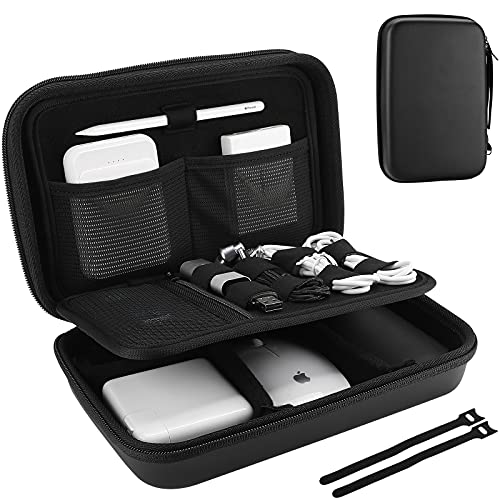
Your phone is your ticket, map, ride-reservation tool and camera all at once, so battery life becomes a planning issue. Carry a power bank rated at least 10,000 mAh, plus the right cables for every device in your group. Keep the power bank in an inner pocket or a clip-on pouch so it stays cool. Most airlines and parks have rules about lithium batteries, so check the current guidance from the carrier and the park before you travel.
A fully charged phone at 9 a.m. can be down to 20 percent by early afternoon if you are using maps, taking photos and tracking ride times. Plan your charging stops before you need them.
For a deeper look at phone-specific gear, see Travel Accessories for iPhone: 9 Essentials for Every Trip and iPhone Camera Accessories for Travel: 9 Picks for Better Trip Photos.
Organization: Daypacks, Pouches and Lanyards
A small, lightweight daypack is the backbone of a park day. Choose one that fits under a stroller seat if you are traveling with young kids and has a zip closure rather than open pockets. Inside, use small pouches to separate tech, medications, snacks and tickets. A lanyard or wrist-strap pouch holds a phone and a card without taking up pack space, and many adults find it easier than digging through a bag at the front of a ride queue.
Packing Steps for the Daypack
- Lay out tickets or your park app and confirm access for each person.
- Add the power bank, charging cables and a small first-aid pouch.
- Include sunscreen, lip balm and a compact rain layer.
- Place a water bottle in the side pocket so it is easy to reach.
- Leave room for a light jacket for evening shows, which can feel cool after dark.
Travel Documents, Money and Security
Disney parks are busy, and keeping valuables secure matters more than most people expect. A crossbody bag with a zip closure is a better choice than a tote. Money belts and hidden pouches can work for international travel, but they are not required for most domestic trips. Keep a photo of your passport, ID and ticket confirmations on your phone and in a cloud folder you can access offline if needed.
Common Mistakes
- Breaking in shoes on the trip. New shoes are the most common cause of blisters. Wear them around home for at least a week beforehand.
- Relying on one charging option. A single power bank that is forgotten or drained can leave you without maps and tickets.
- Overpacking the daypack. Heavy bags are uncomfortable by the second hour. Carry only what you use each day.
- Ignoring the forecast. A cool morning can turn into a hot afternoon, and a light rain can last all day. Pack layers.
- Skipping hydration. Adults often drink less than they should while walking, leading to fatigue and headaches. Refill often.
Recommended gear
A reusable insulated water bottle with a strap keeps hydration easy during long walks and line waits. View on Amazon
A compact power bank with at least 10,000 mAh capacity covers a full park day for most phones. View on Amazon
A lightweight, packable rain poncho keeps you dry without blocking your view or taking up hand space. View on Amazon
A small clip-on or neck fan helps during hot afternoons and waiting areas. View on Amazon
FAQ
What is the single most useful accessory for a Disney trip?
For most adults, the answer is a comfortable, broken-in pair of walking shoes. Foot pain can end a park day early, and no other accessory can compensate for it.
Can I bring my own water and snacks into the parks?
Policies change, so check the current rules on the official park website before you go. Outside water is generally allowed in reasonable quantities, and food policies vary by park and season.
How big should a daypack be?
A daypack in the range of roughly 15 to 25 liters is large enough for essentials and small enough to stay comfortable all day. Larger packs tend to encourage carrying extra weight.
Do I need a power bank if my hotel has a charging station?
Hotel charging stations are convenient at night, but a portable power bank is what keeps your phone running during the day when you are far from your room.
What should I wear for evening fireworks?
Bring a light layer such as a sweater or windbreaker. Temperatures often drop after sunset, even in warm climates.
Are compression socks necessary?
They are not required, but many adults find them helpful for long standing or walking days. If you have circulation or vein concerns, consult a healthcare professional before starting a new compression routine.
Should I pack a first-aid kit?
A small kit with adhesive bandages, blister care, pain relievers you normally use, and any prescription medications in their original containers is a sensible addition. Check the rules for carrying medications in your luggage.
Conclusion
The right disney travel accessories for adults make a park day more comfortable, more organized and easier to enjoy from open to close. Focus on footwear, sun and heat protection, reliable power, and a daypack you can carry all day. Adjust the list for your trip length, season and group, and you will spend more time enjoying the rides and less time searching for what you forgot.
Related reading
- Car Travel Accessories for Adults: 9 Essentials for Comfortable Road Trips
- Wandering Moon Travel Accessories: What They Are and How to Use Them
- Travel Trailer Hitch Accessories: 9 Essentials to Pack and Install (2026)
Ready to choose one?
About Emily Parker
Emily Parker is part of our editorial team and reviews and edits our travel essentials & packing lists guides, checking product details against manufacturer specifications and owner feedback.