 By Caleb Morgan
Updated November 2026
Gap year travel essentials are the documents, clothing, health items and tech you need to keep a multi-month trip running smoothly. This guide walks you through sorting those items by priority, building a packing list that fits one bag, and avoiding the errors that cause the most trouble on long trips. By the end, you will have a checklist you can adjust for your route and climate.
Start With Documents and Money
Documents cause the most damage when they go missing, so sort them first. Check your passport’s validity date before you book anything, since many countries require at least six months of validity beyond your planned exit date. Confirm visa rules for every country on your route, because some require applications weeks in advance. Keep both physical and digital copies of your passport, visas, insurance policy and vaccination records.
Shopping for one? See our guide: Plane Carry On Essentials: 4 Best Travel Bottles for Every Flight.
For money, carry at least two payment cards from different networks, and tell each issuer your travel dates. Store a small amount of cash in US dollars and local currency for arrival. Consult your bank or a financial advisor about foreign transaction fees and whether your cards suit your route.
Build a One-Bag Clothing Plan
Most long-term travelers do better with a pack under 40 liters or a carry-on-sized bag than with a full suitcase. Plan around a capsule wardrobe:
- Choose one neutral color family so every top works with every bottom.
- Pack 5 to 7 tops, 2 bottoms, 1 warm layer and 1 rain shell.
- Bring 3 pairs of underwear and socks per week of travel, then plan to wash.
- Include one outfit suitable for a formal event or job interview.
- Wear your bulkiest shoes on travel days to save space.
Lightweight, quick-dry fabrics dry overnight in most hostels and guesthouses, which matters more than having extra clothes.
Pack Health, Hygiene and Tech
A basic kit prevents small problems from becoming expensive ones. Include a first-aid kit with adhesive bandages, blister care, pain relievers, anti-diarrheal medication and any prescriptions in their original labeled containers. Bring a copy of each prescription and carry enough medication for delays. Pack a refillable bottle, a universal travel adapter and a power bank sized for your devices. Check the destination’s electrical standards before you buy an adapter.
Keep liquids under the airline’s carry-on limit, and use travel-size containers for shampoo and sunscreen. Buy the rest of your toiletries at your destination when possible.
Plan for Connectivity and Organization
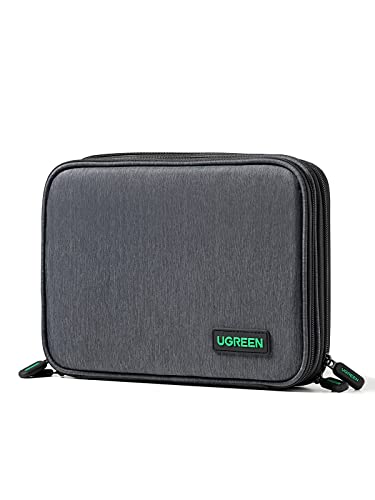
Download offline maps and translation packs before you leave home. Set up a secure note or cloud folder with your itinerary, emergency contacts and document scans. A few organizers, such as packing cubes and a small zip pouch for cords, keep a single bag manageable. Use a lock on your main compartment and a small crossbody bag for valuables.
Packing checklist
- Passport, visas and printed copies of key documents
- Two payment cards plus cash in USD and local currency
- Travel insurance card and emergency contact sheet
- Capsule clothing set plus one rain shell
- First-aid kit and prescriptions with copies
- Universal adapter, power bank and cables
- Offline maps, translation app and cloud backups
- Packing cubes and a lockable bag
Common Mistakes to Avoid
- Packing for the best-case weather instead of the full range of your route.
- Forgetting to notify banks of travel dates, which can freeze cards abroad.
- Bringing a full toiletry stock you can buy locally.
- Skipping copies of prescriptions and important documents.
- Overpacking “just in case” items that add weight you carry every day.
For more context on general packing, see What Are Some Travel Essentials? A Packing Checklist for Any Trip and Travel Packing List Essentials: 5 Best Picks for Every Trip. If you are heading somewhere cold, Winter Travel Essentials: Packing for Cold-Weather Trips covers layering in more detail.
Recommended gear
- Packing cubes: Separate clothing by category so you can find items without unpacking the whole bag. View on Amazon
- Universal travel adapter: One adapter with multiple plug types covers most countries on a multi-stop route. View on Amazon
- Portable power bank: Keeps phones and cameras charged during long bus rides and layovers. View on Amazon
FAQ
How much should I pack for a gap year?
Aim for one carry-on-sized bag plus a small daypack. Most long-term travelers find that a bag under 40 liters forces useful decisions about what they really need.
Do I need travel insurance for a gap year?
Most long trips benefit from insurance that covers medical care, evacuation and trip interruption. Compare policies carefully and confirm coverage for each country you visit.
Should I check with a doctor before I go?
Yes. A travel health clinic or your doctor can advise on vaccinations, malaria prevention and prescription refills for your specific route.
Conclusion
Good gap year travel essentials start with documents, a capsule wardrobe and a practical health kit. Sort your list by priority, then test it against your actual route and climate. Review the checklist before each major move so you carry only what you still need.
Related reading
- Travel Essentials for 10 Year Olds: A Packing Checklist for Every Trip
- Work Travel Essentials Woman: 10 Items to Pack for Any Business Trip
- Women's Travel Essentials List: 3 Best Picks for Every Trip (2026)
Ready to choose one?
About Caleb Morgan
Caleb Morgan is part of our editorial team and reviews and edits our travel essentials & packing lists guides, checking product details against manufacturer specifications and owner feedback.