Long travel days are easier when you have a few small items within reach. A neck pillow, an eye mask, a refillable bottle and a snack can mean the difference between arriving refreshed and arriving drained. This article lists the compact comfort essentials that work well for flights, train rides, bus trips and long car journeys.
Before you start: create a reachable comfort kit
Before you pack, decide where your comfort items will live during the trip. The goal is to avoid digging through a deep bag to find an earplug or a pen. Use one clear pouch, a side pocket, or a small stuff sack that fits in the seatback pocket or at the top of your personal item. That way you can reach the most useful items without disturbing a sleeping seatmate.
Keep the kit practical for the type of travel you have planned. A short domestic flight may need only a bottle, snacks and earplugs, while an overnight journey calls for more sleep support. If you want to review the full approach to in-transit comfort, check the travel comfort guide for additional advice.
Also check your airline’s current carry-on size and liquid rules before you pack. Comfort items are helpful only if they fit the rules, so review the official airline guidance and adjust your kit accordingly.
The travel comfort checklist
The items below are small, lightweight and easy to reuse. Group them into sleep support, body comfort, and refreshment. Pick the ones that solve the biggest problem for your trip.
Sleep support: neck pillow, eye mask, earplugs, layers and a scarf
A neck pillow is most useful on long flights or overnight trains where you want to rest without waking up with a stiff neck. Choose one that matches your seating situation: a compact memory foam pillow gives more support, while an inflatable version takes up almost no space. A pillow that can be compressed or flattened is easier to store when you are walking through the airport. Look for a travel pillow with a removable, washable cover so it stays fresh after repeated use.
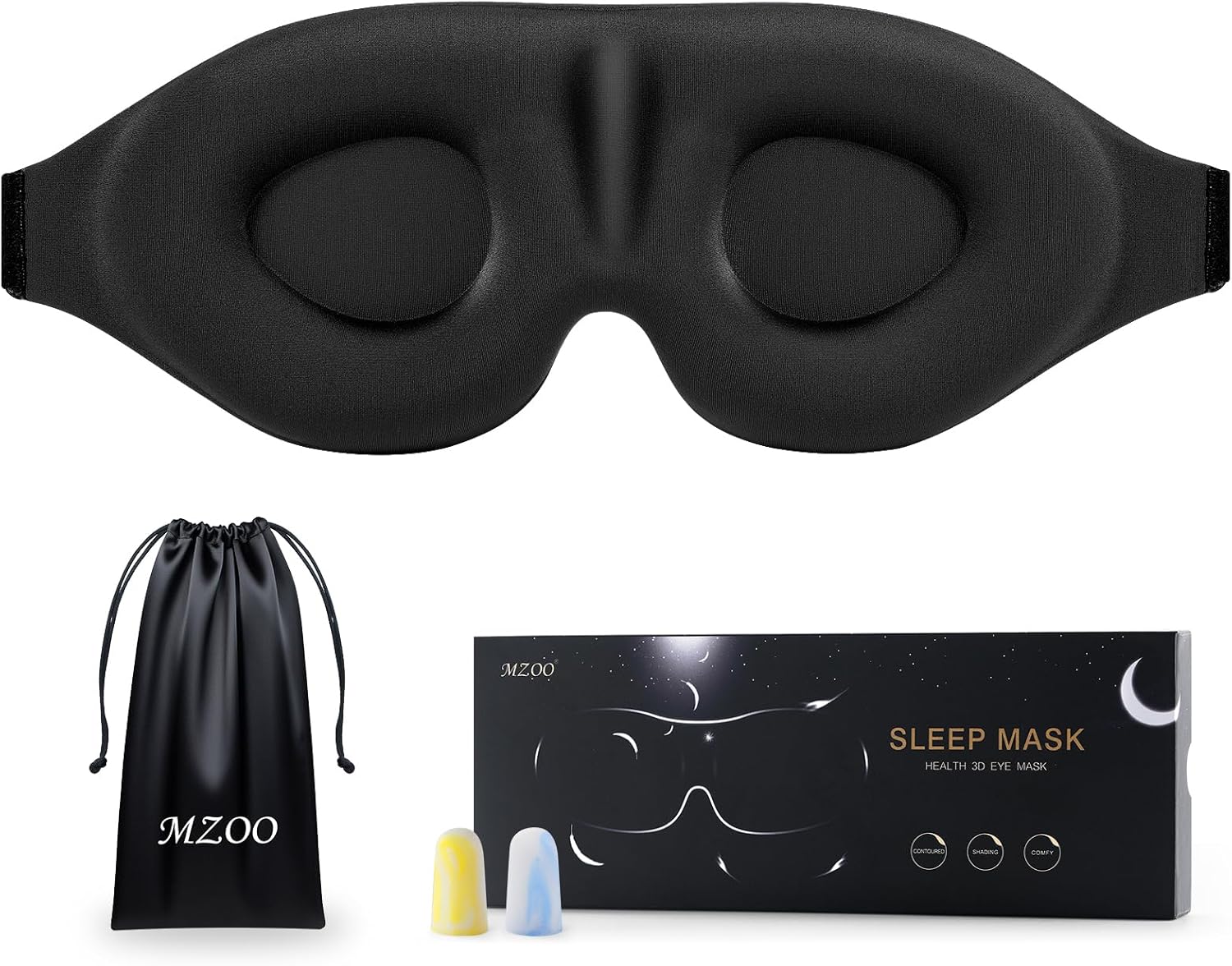
An eye mask is helpful if you travel during the day and want to nap, or if your window shade will not fully block the sun. Earplugs reduce the constant hum of engines, chatty neighbors and rolling carts. Foam earplugs expand to fit your ears, while silicone earplugs can be molded and reused. Test them before your trip so you know they feel okay for a few hours. You can store earplugs in a small hard case or a clean container.
Cabins, trains and stations are often kept cooler or warmer than you expect. A thin scarf or shawl can serve as a light blanket, a pillow topper, a head covering or a privacy curtain. Add a cardigan, zip-up hoodie or light jacket that you can tie around your waist when you are not wearing it. Dressing in layers lets you adjust without asking for a blanket every time. For more advice on positions and pre-sleep routines, see how to sleep while traveling.
Body comfort: compression socks and slip-on shoes
Compression socks are designed to support circulation in your lower legs during long periods of sitting. They can be especially helpful on flights that last several hours. If you have circulation concerns, ask your doctor before using them. Choose a level of compression that matches your needs, and put them on before you leave.
Slip-on shoes are one of the easiest comfort upgrades for a travel day. They are convenient if you need to go through security, and they are simpler to remove when you settle into your seat. Even in places where shoes stay on at the checkpoint, slip-ons make it easier to relax during a long flight. Wear a pair that fits loosely enough for your feet to expand, and pack clean socks in case you want to take your shoes off.
Thirst, skin and snacks: refillable bottle, lip balm, moisturizer and snacks
A refillable bottle keeps water within reach and reduces the need to buy drinks. Empty it before security and fill it at a fountain or on the plane once you are onboard. Choose a bottle that fits in your bag’s side pocket, and make sure the cap is secure. Some bottles are easier to clean than others, so read the care instructions before you put one in the dishwasher.
Airplane air is dry, and your hands and face can feel tight after a few hours. A small lip balm and a travel-size moisturizer solve that problem without taking much space. Solid balms and sticks can be easier to manage than bottles, and they are less likely to spill. Keep them in an outer pocket so you can use them without stopping the whole trip. If your moisturizer is a liquid or gel, follow the carry-on liquid limits and check the current official guidance before you pack.
A small supply of snacks helps when meal service is late, when you have dietary preferences, or when you are connecting from one mode of transport to another. Pack things that are not messy and do not have a strong smell, such as nuts, dried fruit, granola, crackers, pretzels or plain cookies. Put snacks in a reusable container or a sturdy paper bag so they do not get crushed at the bottom of your carry-on.
Refreshment and paperwork: small toiletry kit and a pen
A mini toiletries kit helps you wash your face, brush your teeth or freshen up before landing. You do not need a full bag of toiletries; a few facial wipes, a toothbrush, toothpaste, deodorant and a comb are usually enough. Use a clear pouch so you can see what is inside, and keep the kit near the top of your bag. This is one item that makes a long layover feel much better.
A pen is the easiest item to forget and the most annoying to need. Customs forms, arrival cards and travel journals all call for one. Carry a retractable pen in the pocket of your jacket or in the front compartment of your bag. A simple pen with a secure cap is less likely to leak under changing air pressure.
A quick-reference table
Here is the full list in a format you can scan quickly before you pack.
| Item | Why it helps | Packing tip |
|---|---|---|
| Neck pillow | Supports your head during naps | Choose one that compresses or inflates to fit your bag |
| Eye mask and earplugs | Block light and noise | Store earplugs in a small case |
| Layers and a scarf | Adjust to changing temperatures | Use the scarf as a blanket or pillow cover |
| Compression socks | Support circulation during long sits | Ask a doctor before using them |
| Slip-on shoes | Easy to remove and put back on | Wear them on the plane or train |
| Refillable bottle | Keeps water close | Empty before security and fill after |
| Snacks | Covers delayed meals or hunger | Choose non-smelly, non-crumbly foods |
| Lip balm and moisturizer | Fights dry air | Keep them in an outer pocket |
| Small toiletry kit | Helps you feel fresh | Use a clear pouch |
| Pen | Useful for forms and notes | Keep it in a jacket pocket |
Use this table as a quick packing check before every trip. For a broader look at the comfort items you might want to include, see the travel comfort essentials checklist.
What you can skip
Not every comfort item deserves a spot in your bag. A bulky blanket, an oversized pillow, a heavy book, multiple pairs of shoes and full-size bottles of shampoo take up space and add weight. Some items can be replaced by something you already own. A scarf works as a blanket, a jacket can become a pillow cover, and a phone can store reading material. The key is to keep your kit light enough that you can move through a terminal without frustration.
Also skip anything you are not likely to use. If you never sleep on a plane, leave the eye mask at home. If you are traveling with someone who does not snore, earplugs may be unnecessary. Build a kit that fits your habits, not a generic list.
FAQ
How should I organize these items?
Use one small pouch or the front pocket of your carry-on. Put the items you need most often, like lip balm and earplugs, in the easiest spot. A clear bag helps you see what is inside without unpacking everything.
Do I need every item for a short flight?
No. Pick the items that solve the biggest problems for your trip. A short flight may only require a bottle, a snack and earplugs, while an overnight flight may call for a neck pillow, eye mask and compression socks.
Are compression socks necessary for everyone?
No. Some travelers find them helpful for long periods of sitting, but they are not required. If you have circulation concerns, ask a doctor before using them. You can also support comfort by moving your legs, stretching and choosing an aisle seat.
Can I bring a refillable bottle through security?
Yes, but it must be empty when you go through the checkpoint. Fill it after security at a water fountain or onboard.
Travel comfort is not about bringing everything you own. It is about having a few small items in the right place when you need them. Start with the list above, adjust it for your next trip, and you will find that travel days feel easier with very little extra baggage.