Streamlined, professional packing comes down to a few key principles: wrinkle-resistant clothing, a versatile blazer, a well-organized tech kit, and a firm commitment to carry-on only. This guide covers every item you need for a work trip—from your garment folder to your expense folder—so you can arrive composed and ready to do business.
Before You Pack
Before you start laying out clothes, take five minutes to review your trip specifics. Check the weather forecast for your destination and any planned activities—a client dinner, a trade show floor, a casual team offsite. Confirm your airline’s carry-on size and weight limits on its official website; measurements vary by carrier. If you are flying domestically, remember that as of May 2025, a REAL ID or another acceptable form of identification is required for all domestic flights. Check the Transportation Security Administration (TSA) website for the latest identification rules. Also review the TSA’s liquids rule (typically containers of 3.4 ounces or less, all fitting in a single quart-size bag) and the rule that all spare lithium batteries and power banks must go in your carry-on, never in checked luggage.
If your company provides a pre-trip checklist, review that too. Otherwise, keep a master packing list saved on your phone or in a travel app so you never have to start from scratch. For a complete pre-trip foundation, see our business travel planning guide.
The Essential Packing Checklist
The following list is organized by category so you can pack methodically. For each item, consider whether it earns its space in your single carry-on bag.
Wrinkle-Resistant Clothing and a Garment Folder
Choose fabrics that resist creasing: merino wool, performance synthetics, or tightly woven cotton blends. A typical work-trip wardrobe includes two pairs of trousers, one blazer, and three to four tops (button-down shirts, blouses, or knits). For a two- to three-day trip, you can usually wear one outfit on travel day and pack the others. Use a garment folder to keep dress shirts and blazers crisp; fold them around the folder’s rigid insert, then stack everything flat in your bag. For delicate items like silk blouses, place acid-free tissue paper between folds to reduce friction.
A Versatile Blazer
One blazer can serve for meetings, dinners, and travel itself. Choose a neutral color (navy, charcoal, or dark gray) in a machine-washable or travel-friendly fabric like stretch wool or a synthetic blend. Pack it on top of your garment folder or wear it onto the plane to save space. If you need a more casual layer for the flight, consider a lightweight cardigan that can double for relaxed outings.
Shoes
Shoes are bulky, so limit yourself to two pairs maximum. One pair of comfortable, polished walking shoes or loafers that are business-appropriate for most settings. A second pair only if you have a reception or evening event requiring a different style (e.g., dress flats or a low heel). Wear the bulkier pair during travel and pack the flatter pair in a shoe bag inside your carry-on. If you plan to exercise, add a lightweight pair of sneakers—wear them on the plane if you can, or compress them into a side pocket.
Toiletries
Transfer your essentials into travel-sized containers (3.4 ounces or less) and store them in a clear, quart-size zip-top bag. Include a solid deodorant, a small tube of toothpaste, a travel toothbrush, and a mini hair dryer or styling tool if needed. A multipurpose bar soap (cleansing bar) can replace both body wash and shampoo for short trips. If you need a steamer to touch up wrinkles, consider a travel steamer that fits in your carry-on—many models are compact and include a dual-voltage option for international trips. Check the manufacturer’s instructions for voltage use abroad.
Tech Kit
A dedicated tech pouch keeps cables, chargers, and accessories organized. At minimum, pack:
- Laptop and power adapter
- Phone charging cable and small wall charger
- Power bank (rated under 100 watt-hours, which is the common allowed limit—check your airline’s policy)
- Wireless earbuds or headphones
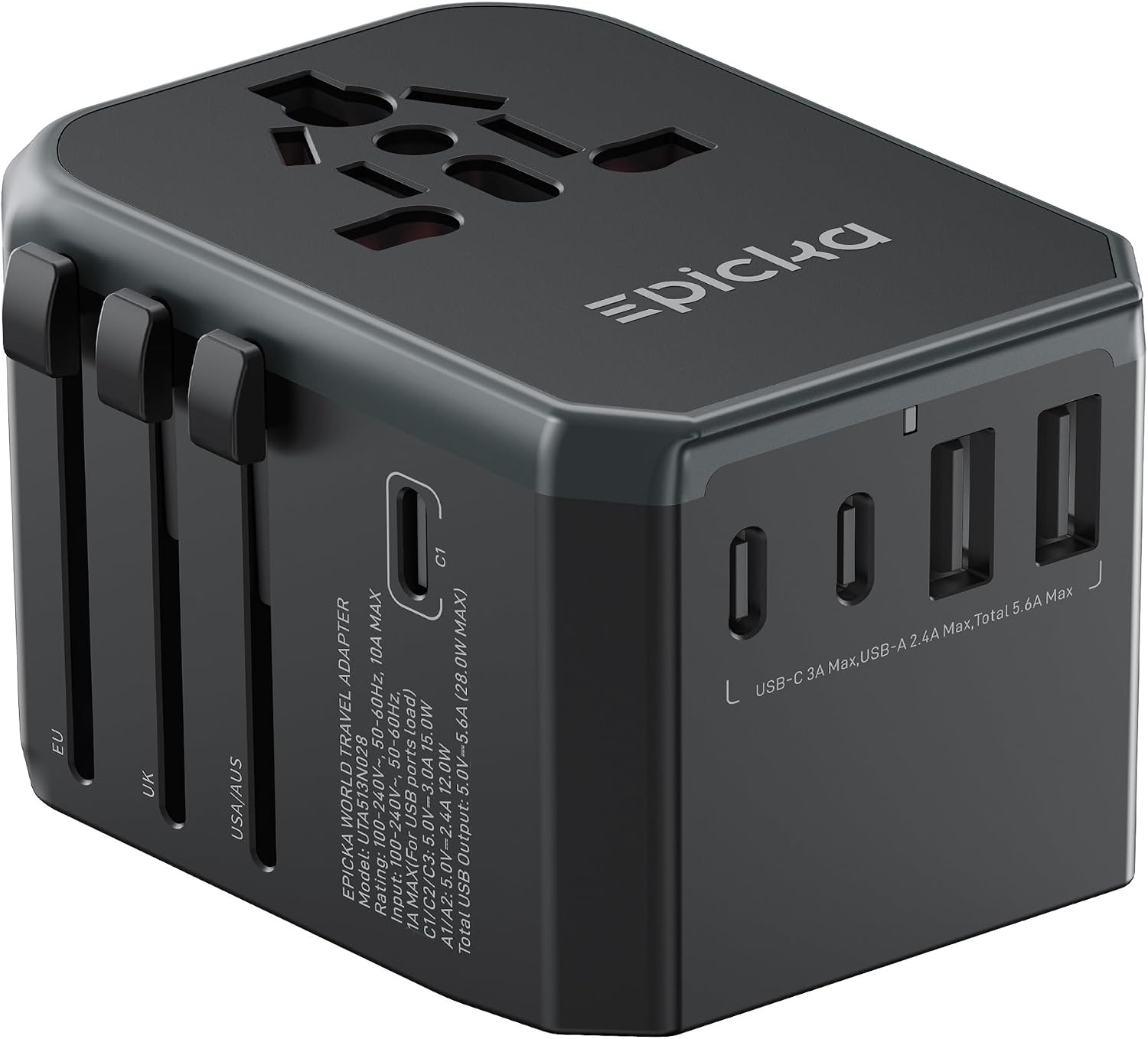
- Adapters (for international travel, a universal adapter with surge protection)
For full guidance on gadgets and cables, see business travel tech essentials.
Presentation Backups
Technology can fail. Before you leave, save your presentation or key documents in three places: your laptop, your phone or tablet, and a cloud service (e.g., a cloud drive or shareable link). If you expect to connect to a projector or display, bring your own adapter (common types: HDMI, USB-C, or VGA) and a small USB flash drive that holds a copy of the files. Test that the flash drive works on a computer before you depart.
Business Cards (If Used)
If you regularly exchange business cards, carry a reusable card case in your jacket pocket or the front pocket of your carry-on. If you prefer digital sharing, ensure your contact info is accessible on your phone’s lock screen or via a dedicated app. For international trips, consider cards with your phone number written in a local format.
Receipts and Expense Folder
One small zippered pouch or envelope holds all your receipts: meals, transportation, lodging, and any supplies. Many travelers use a simple paper folder or a dedicated receipt-scanner app on their phone. If you must submit a paper expense report, keep a few blank report forms and a pen in this folder. For digital tracking, take a photo of each receipt immediately and back it up to your cloud drive.
Gym or Wellness Items
If you plan to exercise, pack a collapsible water bottle, a pair of compression shorts, a moisture-wicking top, and lightweight running shoes (which can double as walking shoes). A travel-sized foam roller or massage ball helps with recovery after long flights. For wellness, include any vitamins or supplements in your toiletries bag (keep them in original containers for customs purposes). Always consult your doctor before starting any new supplement.
Carry-On Only Strategy
Limiting yourself to one carry-on suitcase plus one personal item (a briefcase, backpack, or large tote) is the most efficient way to travel for business. You avoid baggage fees, lost-luggage delays, and waiting at carousels. To make this work, follow a color-coordinated capsule wardrobe—all tops and bottoms should mix and match. Roll softer items like sweaters and underwear, and use packing cubes to compress clothes and separate dirty laundry. Keep your tech kit, toiletries, and important documents in the personal item so they are always accessible. If you are flying internationally, check your airline’s carry-on size and weight restrictions, as they can differ from domestic limits.
What You Can Skip
Every item you leave behind makes your bag lighter and your trip easier. Here are common overpacks to avoid:
- Multiple extra pairs of shoes. One or two pairs are enough.
- Full-sized toiletries. Travel sizes weigh less and comply with liquid rules.
- A second laptop or tablet. Unless required for presentations, a smartphone can handle most tasks.
- Printed itineraries and maps. Save them to your phone or use a travel app.
- Multiple blazers. One versatile blazer works for almost every situation.
- Books and magazines. An e-reader or tablet is lighter and holds many titles.
- Fragile or bulky gifts. If you are visiting client offices, ship gifts ahead or purchase locally.
Quick-Reference Table
| Category | Essential Items | Packing Tip |
|---|---|---|
| Clothing | 2–3 tops, 2 trousers, 1 blazer, underwear, socks | Use a garment folder; choose wrinkle-resistant fabrics |
| Shoes | 1 pair business shoes; 1 pair athletic shoes (optional) | Wear the bulkiest pair while traveling |
| Toiletries | Travel-size liquids, razor, deodorant, mini steamer | Keep in a quart-size clear bag |
| Tech | Laptop, phone, cables, power bank, adapters | Keep all in a separate tech pouch in your personal item |
| Presentations | Files saved to laptop, phone, and cloud; USB drive; adapters | Test all connections before you leave |
| Business cards | Case or digital alternative | Keep accessible in jacket pocket |
| Expenses | Small folder or receipt-scanning app | Snap a photo of each receipt immediately |
| Gym/wellness | Compression clothes, lightweight sneakers, water bottle | Choose multipurpose items that can double as casual wear |
| Carry-on | One suitcase + one personal item | Use packing cubes; keep important items in personal bag |
FAQ
How many outfits should I pack for a three-day business trip?
Plan for three tops and two bottoms (trousers or skirt), plus one blazer. You can wear one outfit on travel day and the other two on alternating days. If you have client meetings each day, a fresh shirt each day is practical; a dark blazer can be reworn multiple times.
Can I bring a travel steamer in my carry-on?
Yes, a travel steamer is generally allowed in carry-on luggage, as long as it complies with the airline’s size and weight limits. Some steamers have water tanks; if the tank is removable and empty, it is often easier to pack. Check the specific airline policy and the Transportation Security Administration (TSA) website for the latest guidance on electronics and liquids.
What is the best way to keep dress shirts from wrinkling?
The most effective method is to use a garment folder. Fold the shirt around the folder’s rigid insert, then place it flat in your suitcase. Alternatively, roll dress shirts loosely (rather than folding) and place them in a packing cube. A small travel steamer or wrinkle-release spray can help handle any minor creases upon arrival.
Should I pack a separate gym bag?
Not unless you are checking a bag. For carry-on only, pack your gym clothes inside your main suitcase or personal item. Shoes can be stashed in a shoe bag and placed in the packing cube for casual wear. If you must check your gym gear, wear athletic shoes on the plane and pack the rest.
Packing smartly for business travel means choosing versatile, wrinkle-resistant items and committing to a carry-on only approach. Use the checklist above, customize it to your trip, and always verify the latest airline and security rules before you go. With a well-planned bag, you can focus on your work instead of your luggage.