 By Colin Foster
Updated November 2026
A basic training packing list covers the personal items recruits are allowed to bring, the things the military issues on arrival, and the items that will get you into trouble if you pack them. Follow the list below and you will arrive with what you need and nothing that gets confiscated. Recruits should always confirm details with their recruiter, since rules differ by branch and by training base.
Start With What the Military Provides
Most of your gear is issued to you during the first days of processing, so packing extra clothing or equipment wastes space. Your recruiter will give you a list of prohibited items, and the rules are strict. Your first step is to check the official guidance from your branch before you buy anything.
Shopping for one? See our guide: Packing List for Europe Summer Male: 4 Best Picks for Men (2026).
- Uniforms, boots, and physical training gear are issued at reception.
- Bedding, toiletries, and field gear are provided at most bases.
- Your job is to bring only what the instructions allow you to keep.
Pack the Personal Items You Are Allowed to Bring
Keep your personal kit small and practical. Most recruits do not get much time to unpack, so organize everything so you can find it fast.
- Government-issued photo ID, Social Security card, birth certificate, and any paperwork your recruiter asks for, kept in a folder.
- Prescription medications in their original labeled containers, with a copy of your prescriptions.
- Basic toiletries in travel sizes: toothbrush, toothpaste, deodorant, razor, and any personal hygiene items permitted by your branch.
- Glasses or contact lenses, plus a spare pair of glasses if you wear them.
- A small amount of cash for emergencies, kept in a secure place.
- Plain civilian clothing for travel to the base, usually one outfit plus underwear and socks.
- A small watch with a plain face, if permitted.
Know What Not to Pack
Many recruits lose items on day one because they packed something prohibited. Leave valuable jewelry, electronics beyond what is authorized, knives, and large amounts of cash at home. Phones are usually surrendered during training, so do not expect to stay connected.
Recommended gear
A few inexpensive items help you stay organized during the first days of training. These are general supplies, so check your branch’s list before buying anything.
- A clear zip-top bag for documents keeps paperwork dry and easy to find. View on Amazon
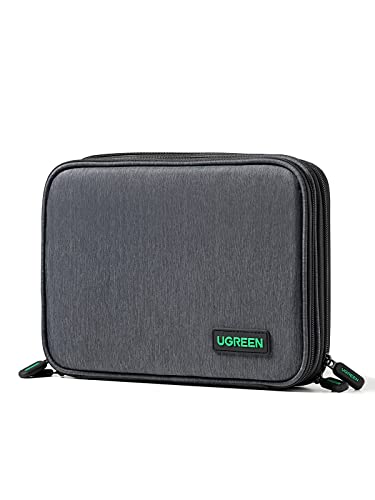
- A small toiletry organizer makes it easy to keep travel-size items together. View on Amazon
- A basic plastic sewing kit helps with loose buttons and seams before inspection. View on Amazon
Common Mistakes to Avoid
- Packing more clothing than you need, since most of it will be replaced by issued gear.
- Bringing prohibited electronics or valuables that will be confiscated.
- Forgetting to label medications and carry copies of prescriptions.
- Not keeping documents organized in one place for processing.
- Overpacking a bag you will have to carry on foot.
FAQ
Can I bring my own clothes to basic training?
You can usually bring a small set of civilian clothes for travel to the base, but the rest of your wardrobe will be replaced by issued uniforms. Check your branch’s rules before you pack.
Do I need to bring toiletries?
Basic toiletries are usually permitted in travel sizes, but many items are provided. Confirm the allowed list with your recruiter so you do not pack anything that will be taken at inspection.
Can I bring my phone?
Phones are typically surrendered during training and returned later. Plan to be without regular access, and let your family know the contact procedures before you ship out.
Conclusion
A good basic training packing list is short: documents, necessary medications, a few personal items, and plain travel clothing. Everything else is either issued on arrival or prohibited. Confirm the final list with your recruiter and check your branch’s official guidance before you leave home.
Related reading
- Women's Packing List for Europe: A Step-by-Step Guide (2026)
- Women's Packing List for 2 Weeks in Europe: A Practical Guide
- Winter Packing List for Europe: What to Bring for Cold-Weather Trips
Ready to choose one?
About Colin Foster
Colin Foster is part of our editorial team and reviews and edits our travel essentials & packing lists guides, checking product details against manufacturer specifications and owner feedback.