 By Emily Parker
Updated November 2026
TSA approved travel accessories are items designed to make airport security screening quicker and less stressful, usually because they are easy to see, easy to remove, or easy to inspect without unpacking your whole bag. This guide shows you how to recognize them, what to look for on packaging, and which everyday gear actually helps at the checkpoint. Use it as a checklist before your next flight.
What “TSA approved” actually means
The Transportation Security Administration does not certify or approve consumer products. There is no official TSA stamp that lets a travel accessory skip screening. What manufacturers mean by “TSA approved” is usually one of two things: the product is designed to meet TSA guidance on what can stay in a carry-on, or it includes a TSA-recognized lock or feature. Treat the label as a marketing claim and check the specifics yourself.
Shopping for one? See our guide: 3 Best Travel Photography Accessories for Better Trip Photos (2026).
How to choose accessories that clear screening faster
Focus on features that reduce the time you spend at the bin. Items that are flat, clear, or separable tend to cause fewer secondary checks.
- Check for TSA-recognized locks. Luggage locks marked with the red diamond logo can be opened by TSA agents without cutting. Other locks may be forced open if an agent needs to inspect the bag.
- Pick clear or mesh toiletry bags. Liquids must be in containers of 3.4 ounces (100 mL) or less, placed in a quart-size clear bag, one bag per passenger. A transparent pouch lets officers see the contents at a glance.
- Choose a laptop sleeve that opens flat. Many travelers are asked to remove laptops from bags. A sleeve that folds open lets you pull the device out in one motion.
- Use a tablet or electronics pouch with a dedicated pocket. Keeping chargers, cables, and batteries in one visible compartment reduces the chance of an agent asking you to dig through your bag.
- Avoid dense, opaque packing cubes for electronics. Dark, zipped cubes filled with cords are more likely to draw a second look.
Packing your carry-on for a faster checkpoint
The order you pack matters as much as the gear. Keep these items in the top layer or in an outside pocket so you can remove them without unpacking everything.
| Item | Where to pack it | Why it helps |
|---|---|---|
| Quart-size liquids bag | Outer pocket or top layer | Easy removal and visible inspection |
| Laptop or tablet | Front compartment, unzipped sleeve | Removed in one motion |
| Chargers and batteries | Small clear pouch | Visible and grouped |
| Medications and documents | Dedicated pouch in personal item | Quick to show if asked |
Check each item’s carry-on rules before you fly, especially lithium batteries, which are restricted to carry-on bags in most cases. For more on organizing a bag by category, see Travel Luggage and Accessories: A Step-by-Step Packing Guide (2026) and Travel Toiletries & Accessories: What to Pack and How to Organize It.
Gear that makes screening easier
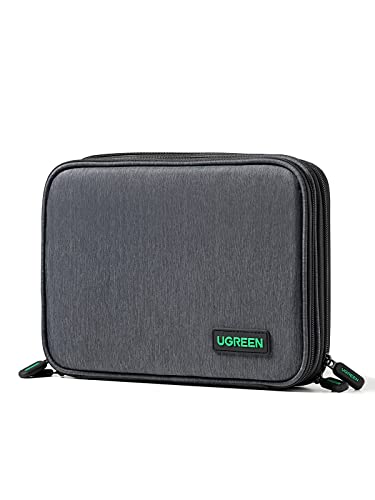
Some accessories do the sorting for you. A dedicated tech case keeps cables and adapters separate from clothing, and a clear toiletry pouch sized for the quart limit keeps liquids compliant without repacking at the airport. For travelers who carry a lot of electronics, Travel Case for Tech Accessories: How to Choose and Pack One (2026) covers what to look for.
Recommended gear
These are general product types that suit the packing approach above.
- A clear quart-size toiletry bag keeps liquids visible and within the size limit. View on Amazon
- A TSA-recognized combination lock lets agents open your bag without damaging it. View on Amazon
- A laptop sleeve that opens flat speeds up removal at the checkpoint. View on Amazon
Common mistakes
- Assuming a “TSA approved” label guarantees faster screening. Agents still decide what to inspect.
- Packing liquids in containers larger than 3.4 ounces, even if they are mostly empty.
- Locking a bag with a non-TSA lock, which may be cut open if an agent cannot access the contents.
- Burying laptops and chargers under clothing.
- Forgetting that rules can differ for international flights and for certain medications. Check with your airline or the TSA website before departure.
FAQ
Does TSA officially approve travel accessories?
No. The TSA does not certify consumer products. “TSA approved” on a label usually refers to a TSA-recognized lock or a design that follows screening guidance.
Can I bring a TSA-recognized lock on a flight?
Yes, you can use one on checked and carry-on bags. Agents can open these locks with a master key without cutting them.
Do I need a special bag for liquids?
You need a clear, resealable bag that holds one quart. Any clear bag of that size works, but a transparent design makes inspection quicker.
Conclusion
TSA approved travel accessories are most useful when you choose them for visibility, quick access, and TSA-recognized locks, not for a certification that does not exist. Pack your liquids, electronics, and documents where you can reach them, and check current rules before each trip. A few deliberate choices can noticeably shorten your time at security.
Related reading
Ready to choose one?
About Emily Parker
Emily Parker is part of our editorial team and reviews and edits our travel essentials & packing lists guides, checking product details against manufacturer specifications and owner feedback.