 By Caleb Morgan
Updated November 2026
Long plane travel essentials are the items that keep you comfortable, rested and hydrated once the seatbelt sign goes off and the flight passes the six-hour mark. This guide walks through what to pack in your carry-on, how to organize it so you can reach everything without waking your neighbor, and which mistakes to avoid. By the end, you will have a checklist you can reuse on any long-haul trip.
Pack the Comfort Items First
Start with the things that change how your body feels over many hours in a small seat. Dry air, cold cabins and cramped legs cause most of the discomfort on long flights, so plan for those three problems directly. Long-term travelers often recommend building the kit around comfort rather than entertainment, since entertainment can be downloaded but a stiff neck cannot be fixed mid-flight.
Shopping for one? See our guide: Plane Carry On Essentials: 4 Best Travel Bottles for Every Flight.
Build a Hydration and Skin Kit
Cabin humidity on most commercial aircraft drops well below what people are used to at home, which is why lips, skin and eyes often feel tight by the end of a long flight. A refillable bottle is the most useful item here, since you can fill it after security and avoid buying water at inflated airport prices. Add a small tube of lip balm, a travel-size moisturizer and eye drops in case your eyes feel dry from recycled air.
Organize Your Carry-On for Quick Access
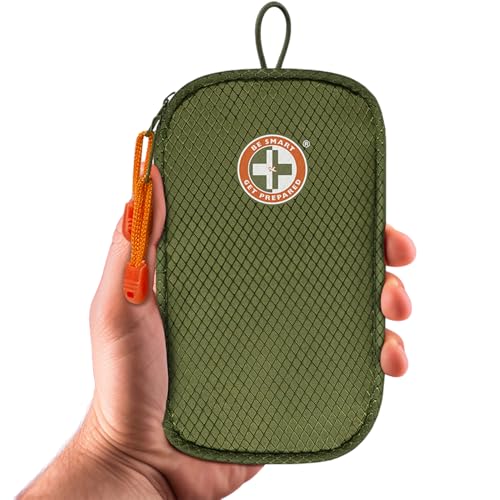
Once you have the core items, the way you pack them matters as much as what you pack. Use a single pouch for anything you will need during the flight, and keep it at the top or in the seat pocket in front of you. Place medications, passport, boarding documents and phone chargers in that same pouch so you never have to dig through the overhead bin mid-flight.
- Pack a zippered pouch no larger than about 8 by 6 inches for daily-use items.
- Include a reusable bottle, lip balm, eye drops, earplugs and a sleep mask.
- Add a compact charger with a 10,000 mAh power bank and a short charging cable.
- Carry a lightweight layer or scarf, since cabin temperatures often swing during the flight.
- Keep a few days of any prescription medications in original labeled containers.
Plan for Sleep, Circulation and Long Stretches
Sleep is the hardest goal on a long flight, but small changes help. A neck pillow keeps your head from dropping forward, and earplugs and a sleep mask block the noise and cabin lights that keep you awake. Compression socks can reduce leg swelling on flights of several hours, and frequent short walks to the lavatory help blood circulation. Consult a doctor before flying if you have a history of blood clots or heart or circulation conditions.
Common Mistakes to Avoid
- Packing liquids over the security limit of 3.4 ounces (100 ml) in your carry-on; buy them after security instead.
- Relying only on in-flight meals, which may not match dietary needs or arrive at the time you want to eat.
- Wearing shoes that are hard to remove, since feet tend to swell during long flights.
- Forgetting to download movies, podcasts or books before boarding, since Wi-Fi may be slow or unavailable.
- Skipping a change of clothes or basic toiletries in case checked luggage is delayed.
Recommended Gear
A quality neck pillow with firm support is one of the most useful items on a long flight because it keeps your head upright during rest. View on Amazon
A compact sleep mask with light-blocking padding helps you fall asleep when cabin lights stay on. View on Amazon
Foam earplugs reduce engine and cabin noise, which makes rest easier on overnight routes. View on Amazon
FAQ
What should I pack in my carry-on for a long flight?
Pack a reusable water bottle, lip balm, moisturizer, eye drops, earplugs, a sleep mask, a neck pillow, a charger and any medications. Keep these in an easy-to-reach pouch so you do not need to open the overhead bin during the flight.
How much water can I bring through airport security?
Liquids in carry-on bags are generally limited to containers of 3.4 ounces (100 ml) or less, placed in a single quart-sized bag. Empty reusable bottles can be taken through security and filled afterward.
Do I need compression socks for a long flight?
Many travelers use them to reduce leg swelling and discomfort on flights longer than several hours. If you have circulation problems or a history of blood clots, talk with a doctor before flying.
Conclusion
Long plane travel essentials work best when they focus on comfort, hydration and quick access. Build your kit around the items that address dry air, poor sleep and stiffness, then keep them in one pouch you can reach from your seat. Reuse the same checklist for every long trip so packing takes less time each time.
Related reading
- Travel Essentials for a Long Flight: 4 Best Picks for Comfort in 2026
- Travel Essentials for Plane Trips: 12 Items to Pack for Any Flight
- Travel Accessories for Men India: 9 Essentials for Heat, Trains and Long Trips
- Travel Accessories for India: 9 Essentials for Heat, Crowds and Long Journeys
Ready to choose one?
About Caleb Morgan
Caleb Morgan is part of our editorial team and reviews and edits our travel essentials & packing lists guides, checking product details against manufacturer specifications and owner feedback.