By Colin Foster
Updated November 2026
International travel essentials for men come down to three groups: documents, electronics and comfort items for long flights. Packing all three well means fewer surprises at the airport, at border control and once you land. This guide walks through what to pack and how to organize it so nothing gets left behind.
Start With Documents and Money
Your passport is the single item you cannot replace on the road quickly. Check that it is valid for at least six months beyond your return date, since many countries require this, and confirm whether your destination needs a visa or electronic travel authorization before you leave. Keep a photocopy or phone photo of the passport information page, and store it separately from the original.
Shopping for one? See our guide: International Travel Essentials for Women: 4 Best Picks for Every Trip (2026).
For money, carry a card that does not charge foreign transaction fees, notify your bank of your travel dates, and bring a small amount of local currency for arrival. Keep a backup card in a different bag.
Pack Electronics That Work Abroad
Most countries use different plug types and voltages, so a universal adapter is more useful than a single-country plug. Check your devices: most phone and laptop chargers are rated for 100 to 240 volts, but hair dryers, shavers and some older gadgets may not be. A small power bank in your carry-on keeps your phone usable during long layovers and transit days.
Download offline maps and translation packs before departure, and keep a printed copy of your hotel address written in the local language.
Build a Long-Flight Comfort Kit
Long-haul flights are where most men feel the difference between a good kit and a poor one. Pack a lightweight layer you can wear over a short-sleeve shirt, since cabins often run cold. Add a pair of compression socks, which many people find helpful for circulation on flights over six hours, and a refillable water bottle you can fill after security.
Include earplugs, an eye mask and noise-canceling headphones if you use them. Keep toiletries under 100 milliliters per container in a clear quart-sized bag if you are flying through the United States or a route with similar liquid rules.
Organize Your Pack for Quick Access
Use a packing system that separates clothing by outfit rather than by category. Roll lighter items and place them in compression cubes, then keep anything you will need at the first stop, such as a change of clothes, medications and chargers, in your carry-on.
- Lay out documents, cards and medications in one pouch.
- Pack electronics and adapters in a second pouch within reach.
- Add one full outfit, underwear and socks to your carry-on.
- Place toiletries in a clear bag at the top of your checked bag.
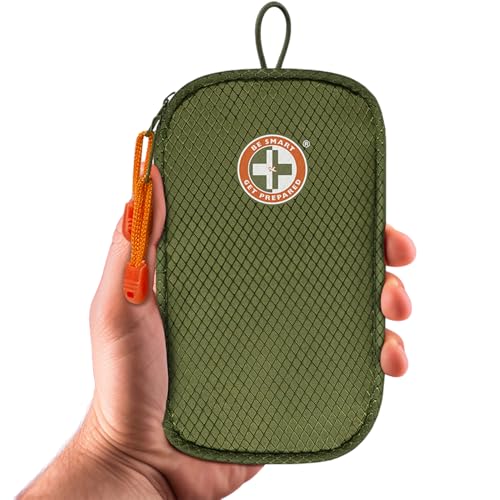
- Store a small first-aid kit in the outer pocket of your carry-on.
Common Mistakes to Avoid
- Forgetting to check passport validity rules for your specific destination.
- Bringing only one plug type when the trip includes multiple countries.
- Packing all medications in checked luggage that could go missing.
- Skipping travel insurance details, such as the policy number and emergency contact.
- Overpacking clothing when laundry service or a quick local purchase would work.
Recommended Gear
A compact universal adapter with multiple USB ports covers most destinations without extra plugs. View on Amazon
Compression packing cubes keep outfits organized and reduce the wrinkling that comes with loose packing. View on Amazon
FAQ
How much passport validity do I need for international travel?
Many countries require your passport to be valid for at least six months past your planned departure. Check the specific rule for each destination on your itinerary, since some require less and a few require more.
Do I need a travel adapter or a voltage converter?
Most modern phone and laptop chargers work with any voltage from 100 to 240 volts, so a plug adapter is usually enough. Check the label on heat-producing appliances like hair dryers, as these may need a converter.
Should I buy travel insurance for an international trip?
Travel insurance can cover medical emergencies, trip cancellations and lost baggage, and coverage varies widely by policy. Read the terms carefully and consult a financial or insurance professional if you have questions about your specific situation.
Conclusion
A solid kit for international travel covers your documents, your electronics and a few comfort items for long flights. Organize your pack by how and when you will use each item, and check destination-specific rules well before departure. Pack with those three priorities and most trips abroad will run smoothly.
Related reading
- International Travel Accessories for Men: 9 Essentials for Long Trips (2026)
- Travel Accessories for Men India: 9 Essentials for Heat, Trains and Long Trips
- Must Have International Travel Accessories: 10 Essentials to Pack (2026)
Ready to choose one?
About Colin Foster
Colin Foster is part of our editorial team and reviews and edits our travel essentials & packing lists guides, checking product details against manufacturer specifications and owner feedback.