 By Colin Foster
Updated November 2026
A carry on packing list for Europe helps you fit everything you need into one bag, so you can skip checked luggage fees, lost-bag risk and long waits at the baggage carousel. This guide walks you through choosing the right bag, building a capsule of clothing, and packing liquids and electronics so you can move quickly through airports, trains and cobblestone streets.
Start With the Right Bag Size
Most European budget airlines enforce strict carry-on limits, and many are smaller than US domestic allowances. Check your airline’s dimensions before you buy a bag. Many travelers aim for a soft-sided roller or backpack around 22 x 14 x 9 inches, since it fits under most seats and in overhead bins. Choose a bag with a laptop sleeve and at least one external pocket for passports and boarding passes.
Shopping for one? See our guide: Packing List for Europe Summer Male: 4 Best Picks for Men (2026).
Build a Clothing Capsule
The easiest way to keep a carry-on light is to pack pieces that mix and match. Plan on one outfit per day, plus one or two extras. Stick to a neutral color palette, such as black, navy, gray and olive, so every top works with every bottom. Pack one warm layer, such as a fleece or light down jacket, and a waterproof shell, because European weather shifts quickly, especially in mountain and coastal regions.
Shoes and Footwear
Wear your bulkiest pair on the plane. You will likely walk 8,000 to 15,000 steps a day in cities like Paris, Rome or Barcelona, so comfortable walking shoes matter more than fashion. Pack one dressier pair if you plan to visit upscale restaurants or churches with dress codes.
Pack Toiletries, Electronics and Documents
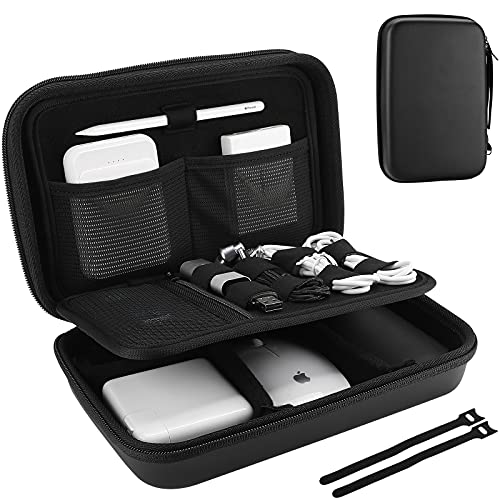
Liquids must fit in containers of 100 ml or less, placed in a single quart-size bag, for security screening in most European airports. Buy travel-size products or refill small bottles. Keep electronics in an easy-to-reach pocket. Carry a universal plug adapter for Type C and Type F outlets, and a compact power bank, since many airports have limited charging stations.
Documents to Keep Accessible
- Passport, with at least six months of validity beyond your departure date
- Printed or downloaded flight confirmations and hotel bookings
- Travel insurance details and an emergency contact list
- Copies of your ID stored separately from the originals
Carry-On Packing Checklist
- Confirm your airline’s carry-on size and weight limits.
- Pack one outfit per day plus two extra tops and one extra bottom.
- Add one warm layer, one rain shell and one pair of walking shoes.
- Place liquids in a quart-size bag, each container 100 ml or less.
- Pack a plug adapter, charging cables and a power bank.
- Store passports, tickets and insurance papers in a front pocket.
- Roll soft clothing and use packing cubes to compress bulk.
Common Mistakes to Avoid
- Packing for every possible weather scenario instead of layering a few versatile pieces.
- Forgetting that European hotels often have smaller bathrooms and limited storage.
- Bringing hair dryers, since many European hotels provide them.
- Overpacking shoes. Two pairs are usually enough for a week or two.
- Assuming every airport has free water fountains or accessible charging ports.
Recommended Gear
A set of packing cubes keeps outfits separated and makes it easier to repack quickly at each stop. View on Amazon
A universal travel adapter with USB ports covers the plug types used across most of Europe. View on Amazon
A compact foldable daypack gives you extra room for day trips and souvenirs when you leave the hotel. View on Amazon
For related planning, see Packing List for 2 Weeks in Europe Men: One Carry-On Plan That Works, Women's Packing List for 2 Weeks in Europe: A Practical Guide, Travel Packing List for Europe: A Step-by-Step Guide (2026) and Winter Packing List for Europe: What to Bring for Cold-Weather Trips.
FAQ
Can I fit two weeks in a carry-on for Europe?
Yes, most travelers can, provided they plan on laundry. Pack around five to seven days of clothing and wash items in your hotel sink or a laundromat midway through the trip.
Do I need a converter as well as an adapter?
Usually not for phones, laptops and cameras, which accept 100 to 240 volts. Check the label on hair dryers and small appliances, since some only run on 110 volts and may not work safely.
Should I bring a carry-on or a backpack?
Either works. A backpack handles cobblestones and stairs more easily, while a spinner roller is faster in airports. Choose the style that matches how much walking you expect to do.
Conclusion
A well-planned carry on packing list for Europe keeps you mobile, flexible and in control of your belongings. Start with the right bag, pack a clothing capsule, and keep liquids, electronics and documents organized. Confirm airline rules before you travel, and check with a professional if you have specific medical or travel-document needs.
Related reading
Ready to choose one?
About Colin Foster
Colin Foster is part of our editorial team and reviews and edits our travel essentials & packing lists guides, checking product details against manufacturer specifications and owner feedback.